
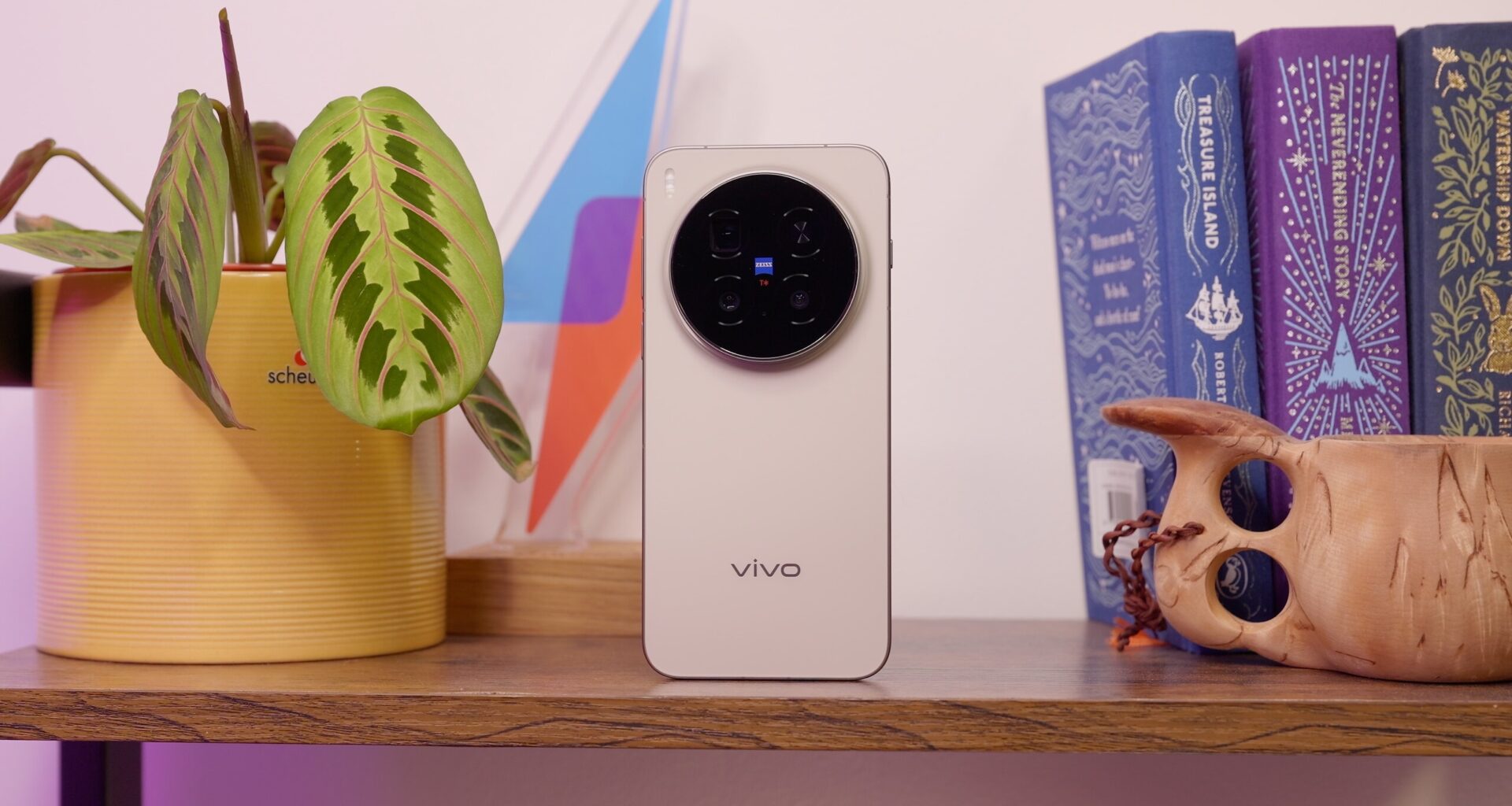
Verdict
On the whole, the X300 is a very strong phone. Its strength is clearly in the cameras, but it’s got so much going for it in other areas too. Enough, that it doesn’t feel like you have to really compromise anything to get a very capable camera phone.
Really versatile camera system with a wonderful macro ability
Bright, sharp display
Very customisable software
Fast performance and fast charging
Wi-Fi connectivity was consistently unreliable
Photos are a little over-processed
EU market gets a lower battery capacity
Key Features
Impressive camera hardware
With two 50MP cameras and a 200MP telephoto lens, the Vivo X300 Pro takes a solid photo.
Gorgeous screen
The 6.78-inch LTPO AMOLED screen is a treat for the eyes, with plenty of premium extras.
Top-end performance
The Dimensity 9500 won’t leave you wanting for more in the performance department.
Introduction
Vivo’s flagship phones have typically always been about the cameras. And it’s clear with the X300 Pro that it’s still a very important part of the phone. But is there more to it than that?
I’ve spent the past few weeks using the Vivo X300 Pro, and here’s what I’ve learned.
Advertisement
Design
Textured design makes it nice to hold
Well-designed camera bump
IP68 and 69 dust and water resistance
There’s a lot to like about the X300 Pro’s design, and how the company put it together. It’s not a small phone by any means, but some thoughtful decisions have been made to at least try to alleviate the fact that it’s quite hefty.
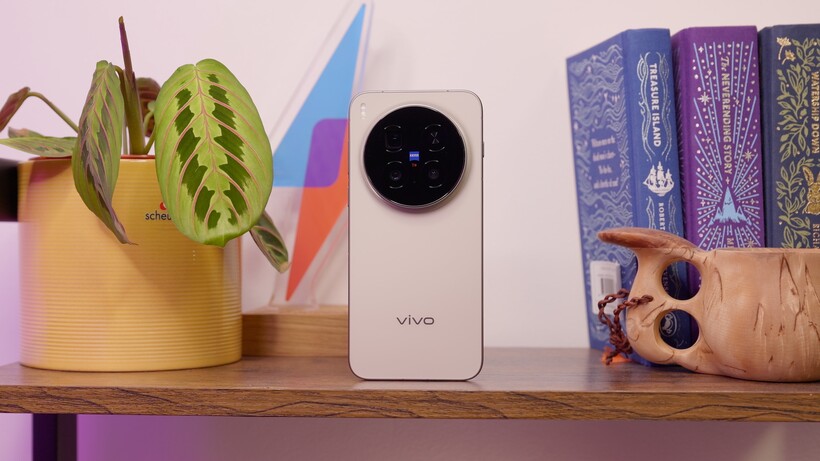 Image Credit (Trusted Reviews)
A lot of it is to do with the texture. Both the frosted glass on the back and the aluminium around the sides have a soft feel to them. The rounded corners and the very subtle rounding of the glass on the front mean that, despite being large and weighty, it’s pretty comfortable to hold.
I’m also quite a big fan of this Dune Brown colour, with its sand-coloured glass panel on the back and subtle brown tint to the grey metallic mid frame. It’s very attractive, at least it is to me.
I even quite like the big round camera island on the back, which gives it that feel of a classic point-and-shoot camera. I much prefer that single, glossy, black round surface to having a squared off island in the corner with distinct contrasting camera lenses in it. Vivo even bothered to add texture to the metal ring around the camera island to make it feel a bit like a camera lens.
Advertisement
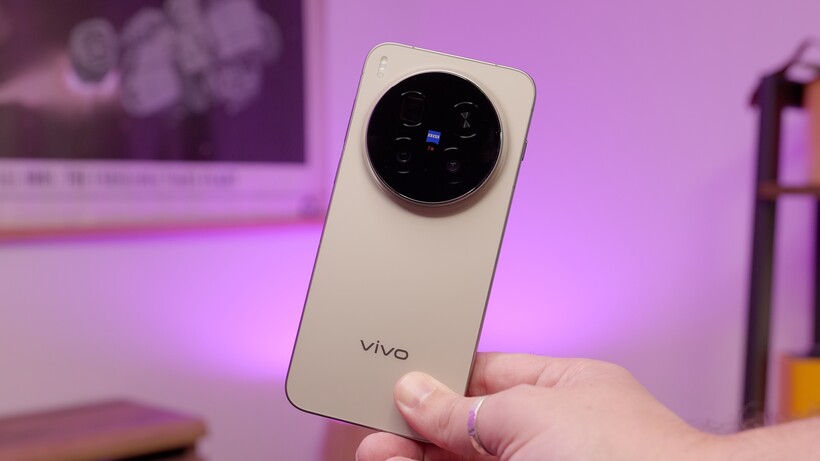 Image Credit (Trusted Reviews)
And that’s not all. If you look really closely at the base of the camera bump, you’ll see it initially ramps up and curves out of the same piece of glass that makes up the rear panel. There’s just so much attention to detail and purposefulness to it, it’s impossible not to admire.
It’s built to cope with everyday life too. So, like many Chinese-made Android phones these days, it comes with two IP certifications: IP69 and IP68. That means it’ll withstand submersion in water and high-pressure jets. In short, you being caught in the rain or dropping it in the sink will not trouble it in the slightest. Or shouldn’t.
Otherwise, there’s not too much to say about the design and physical build. The volume rocker and power/wake button on the right are joined by a shortcut button on the left edge, just like Oppo’s latest flagships.
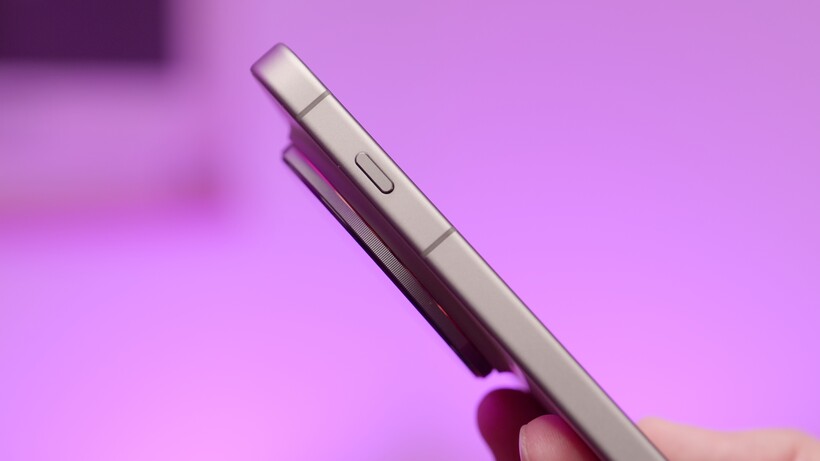 Image Credit (Trusted Reviews)
In customisation and operation, it bears a striking resemblance to the iPhone’s Action Button. Even the interface for changing its function looks very much like the Action Button’s. Except, you can assign two functions to it. One for a long press, another for a double press.
Advertisement
That means, if you wanted to, you could have it function as a mute switch and as a button for recognising music, if you chose to launch Shazam as one of the functions. And it goes deeper than just simply launching an app. If that app has a shortcut available, you can have it perform a specific function within an app. As an example, you could have it start a new timer in your Clock, track an exercise in Fitbit or compose a new email in Gmail.
There are a few system shortcuts to choose from as well, like launching the voice recorder, enabling the flashlight or opening the camera. It’s very flexible, and can be used for just about anything.
Screen
6.78-inch AMOLED screen
4500nit peak brightness, 120Hz
Plenty of customisation options
Spec-wise, top flagship Android displays are largely the same. It’s no surprise then to see Vivo’s 6.78-inch AMOLED panel boasting features like 4500 nits peak brightness, 120Hz refresh rates and support for Dolby Vision HDR content, 1 billion colours and a pixel density over 450 pixels per inch.
All of that is to say, it’s bright, it’s sharp, and details remain sharp and clear when animating quickly.
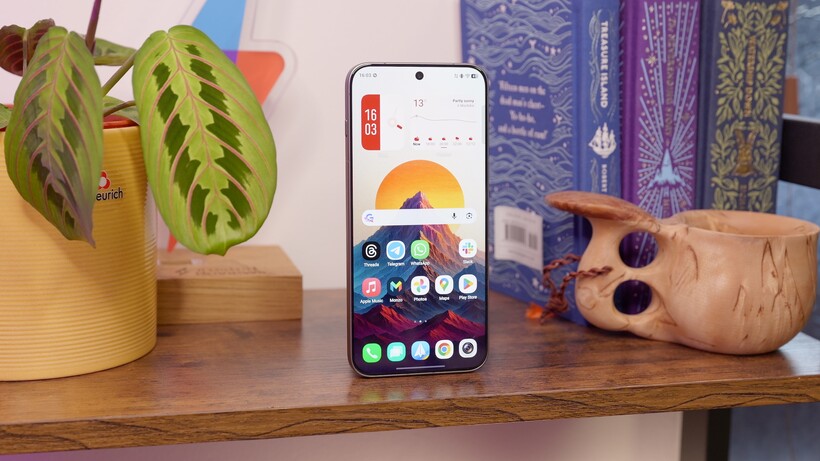 Image Credit (Trusted Reviews)
Advertisement
It’s not the best I’ve ever seen in a flagship phone, but it’s very close to top-tier levels of clarity. From looking at it side-by-side with the Find X9 Pro, it seems to be missing a little of the clarity on offer from the Oppo, as if the content isn’t quite as close to the surface as it is on the Oppo. So even though it can technically hit higher peak brightness levels, it seems a little dimmer across the whole panel.
Still, it’s a very good display and it’s one that comes with a lot of flexibility. You can tune the colours, white balance and warmth to your preference to make it more saturated and vivid or more neutral, or ‘professional’. And there are tonnes of eye care settings to choose from, including the ability to gradually decrease the blue light levels as it gets closer to bedtime and enabling a flicker-free experience.
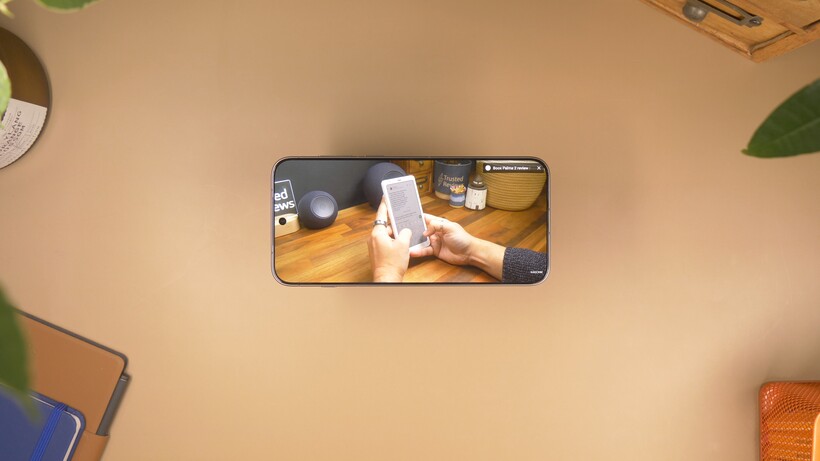 Image Credit (Trusted Reviews)
I have no real complaints about it though. It’s big enough, vibrant and sharp enough that it makes consuming any media a joy. My only slight criticism is that it seems to boost reds, oranges and pinks a little too much, even in its neutral settings. That means anything on that side of the colour spectrum will seem a bit over-saturated, and some skin tones look overly red or pink and not completely natural.
 Image Credit (Trusted Reviews)
The display also features a modern ultrasonic fingerprint sensor, similar to what we’ve seen from a number of new Android devices in 2025. Setting it up only requires you to swipe your finger around the sensor without having to lift your finger at all, and only takes a couple of seconds to complete. It’s also reliable, quick and consistent in daily use.
Advertisement
Software
OriginOS based on Android 16
Plenty of customisation options
Refreshing lack of gimmicky AI features
With the hardware and build of the Vivo bearing such a strong resemblance to Oppo’s phones, you might assume the software was also very similar. But it isn’t really. OriginOS on the Vivo phone has quite a different visual identity from the software that runs on Oppo and OnePlus devices, despite the close ties between the companies. It’s a lot flatter and less complex.
There’s no added depth, shadows, highlights or textures in many places. It’s very uncomplicated, and that also makes it feel quite clean and straightforward. Although some will definitely find it quite basic.
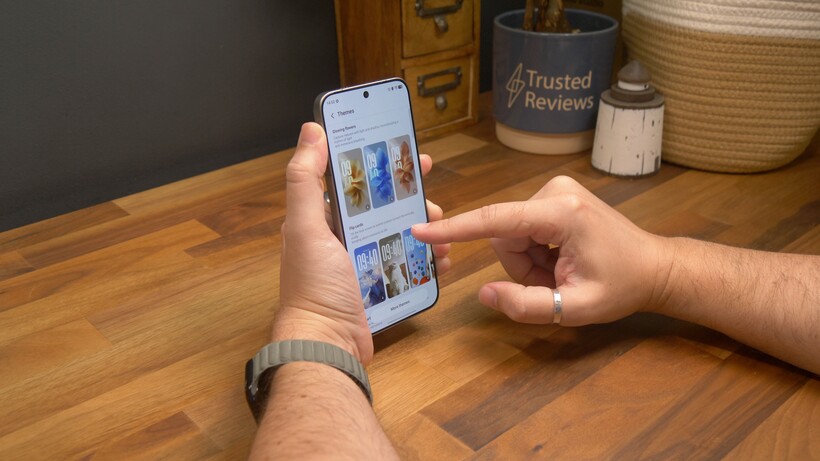 Image Credit (Trusted Reviews)
Still, like Oppo’s ColorOS, there is a lot you can do to change the appearance. Customisation and personalisation are strong points in OriginOS.
There’s one menu for personalising everything, from the wallpaper and always-on display to the icon style and complexity. More than that though, you can change the animation effects between the different layers of the interface, the fingerprint unlocking animation and so much more. To the point where you don’t really need to install a third-party launcher.
Advertisement
What’s really refreshing, however, is that Vivo hasn’t gone to town on trying to shoehorn AI features into everything. Perhaps realising that it’s best to leave it to the experts with limitless budgets – like Google – you can get access to the important and useful AI tools by just installing or using the preloaded Google apps.
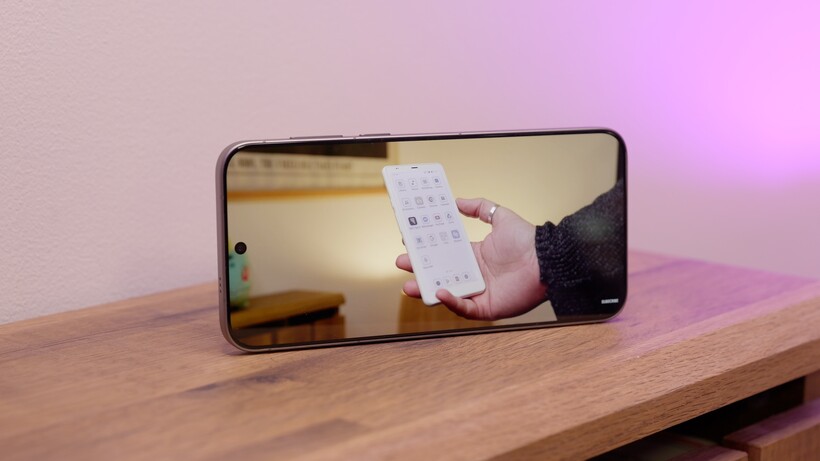 Image Credit (Trusted Reviews)
If there is AI, it’s hidden within useful features, like the voice recorder app, which can intelligently name recordings once they’re finished based on the theme of the voice note.
Cameras
50MP main and ultrawide lenses
200MP periscope lens
Impressive performance across the board
Make no mistake about it, this phone is built around the camera system.
The fact that Vivo also offers a camera kit for it, which includes a snap-on camera control grip and a dedicated telescopic zoom lens, says everything.
Advertisement
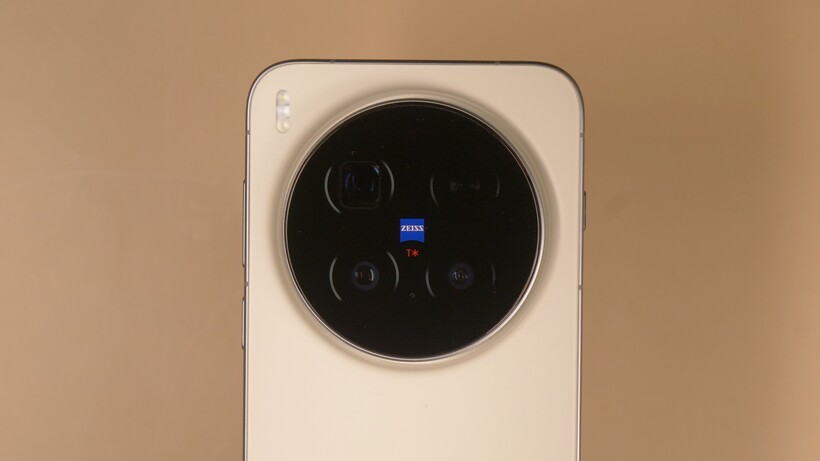 Image Credit (Trusted Reviews)
The system is made up of the usual trio of ultrawide, wide and telephoto zoom lenses. That zoom has an optical zoom equivalent of 3.5x, but it can, of course, push further by combining some AI smarts with digital sensor cropping.
Once you get beyond the 10x mark is when you start to see the effects of that machine learning come into play. Details often get a bit too smooth, so you lose a lot of texture, where cleaner, more visible lines at borders and shadows look that tiniest bit too perfect. Still, it gives you a lot of flexibility.
Even at its longest lengths, though, it doesn’t look so AI-generated that it looks fake. It just has a bit of that oil-painting texture to it we see from so many phones once they zoom to those extreme levels.
Its biggest strength to my mind, however, is its Super Macro ability. It makes a lot more sense than using the ultrawide lens as a macro sensor, and means you can get really close into small objects. It focuses easily, but at the same time gives you a really nice heavy background blur to give you that sense of scale. It’s easily one of my favourite macro modes so far.
Advertisement
Otherwise, it’s hard to fault the Vivo camera system. As mentioned, it’s really versatile, and for the most part, the photos from all three lenses match each other in terms of contrast and colour processing.
Highlights are well contained and do not blow out, becoming bleached or massively over-exposed. And while colours are a bit vibrant, they rarely get so saturated that they look hyper-real. Like with the display, it’s the pinks, reds and yellows that are over-saturated more than other tones.
Still, photos generally look very good. They’re sharp, detailed, with good depth of field. Even shots from the ultrawide look good in the daytime. There’s very little distortion, noise or excessive grain.
If I have any criticism, it’s that, compared to the Oppo Find X9 Pro, the photos often seem a little too processed. As in, they’re quite contrasty and over-sharpened, and so don’t always look completely authentic and natural. Fine textures like animal fur or strands of fibre in fabric are a bit too defined, and leave the texture looking a bit artificial.
Advertisement
Admittedly, this is nitpicking to the extreme, because I’d quite happily use this phone as my main camera for taking photos, and it is among the strongest out there.
Even in low light, it gives you a lot of flexibility. You can either leave the phone in its default, automatic photo mode or switch to the dedicated Landscape and Night mode. In the regular photo mode at night time, it’ll automatically take a 1-2 second exposure and adjust for any hand motion or shakiness. These photos will be sharp and blur-free as you’d expect from any modern phone.
Kick it into the Landscape and Night mode, however, and it cranks things up a notch. It’ll take a 3-4 second exposure, and so you end up with an incredibly vivid, bright nighttime photo that’s still blur-free and sharp. It’s particularly useful when there’s very little available ambient light.
The ultrawide isn’t the strongest at nighttime. The details looked quite rough when I tried to shoot ultrawide shots in super low light, but if you’re shooting in a town or city with plenty of street lights or, in this case, Christmas lights, you’ll get a pretty decent-looking, sharp photograph with plenty of detail.
With all of this flexibility and quality, it’s hard not to come away impressed with the Vivo flagship. It’s a brilliant camera system. And, purely because of how good its zoom and macro modes are, it’s the camera I’d want to take in my pocket if I had to choose one.
Advertisement
Performance and Battery Life
Dimensity 9500
Solid everyday performance
Battery capacity differs among regions
Just like its cousin, the Oppo Find X9 Pro, the Vivo X300 Pro comes loaded with MediaTek’s Dimensity 9500 processor. And, boy, is it good. It might not quite hit the peaks of the Snapdragon 8 Elite Gen 5, but it’s right up there and leaves the impression that it makes everything feel effortless.
Most games you’ll ever play on your phone are relatively casual and don’t demand a huge amount of power. And are well within the capabilities of these top-tier powerhouses like the X300 Pro. That means playing 30 minutes of Mario Kart Tour won’t trouble it in the slightest.
It’s only when you try the more graphically demanding games like Genshin Impact at their highest visual settings that the phone will start to show signs of having to work harder. But even then, it copes well under the strain.
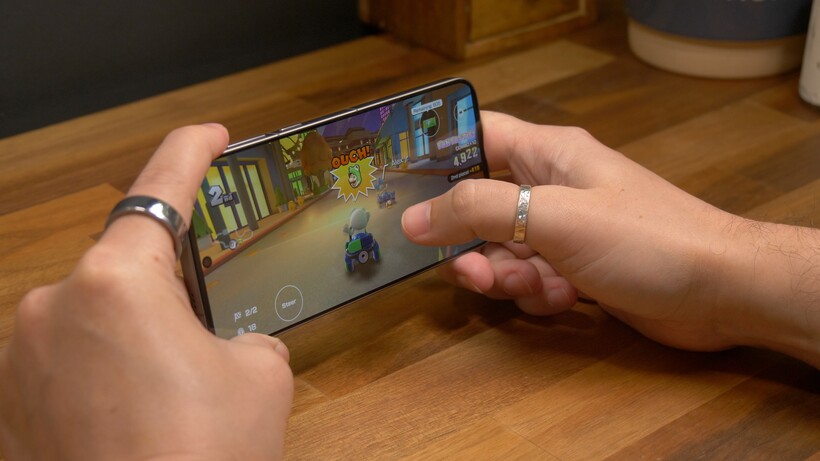 Image Credit (Trusted Reviews)
The only time I saw any significant throttling to manage the phone’s temperature and performance was when performing a stress test in a graphics benchmarking app. And that’s pretty typical of any phone being pushed to extremes for extended periods.
Advertisement
One consistent weakness I found with the Vivo was with wireless connectivity. Even connected to a strong mesh Wi-Fi system at home, there were times when a delay occurred between opening an app and the data refreshing. It got better the more I used the phone, but there were frequently times when it took a good 5-10 seconds for data to refresh or for messages to send in WhatsApp.
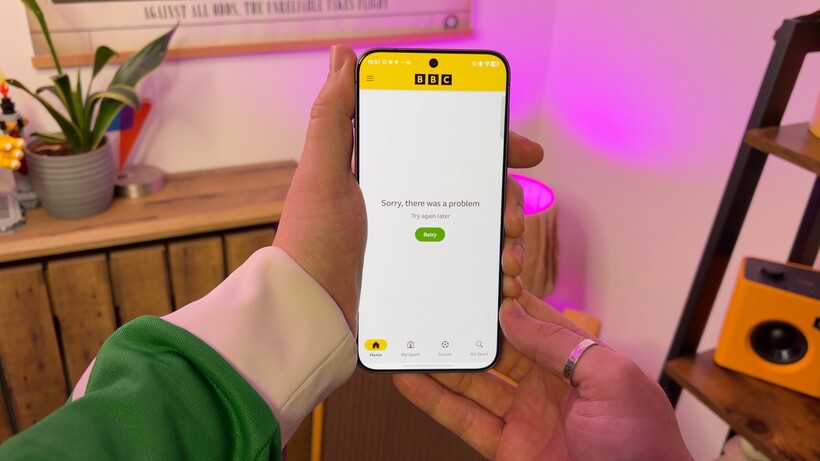 Image Credit (Trusted Reviews)
Or, in some instances, it would just fail to load. Opening Netflix at times, I’d be staring at the loading page before it informed me it couldn’t find a connection.
With Vivo and Oppo being so closely related, it’s hard not to feel a little hard done by with the Vivo’s battery. My test unit has a 6510mAh battery, which isn’t tiny by any means. European regions, however, only get 5440mAh. Both are dwarfed by the 7500mAh capacity that Oppo offers in the Find X9 Pro: a phone which is largely the same in so many ways as this one.
With the larger of the two available capacities, it’s a comfortable full-day phone even for the most demanding users. It didn’t blow me away, but at the same time, I never experienced any battery anxiety.
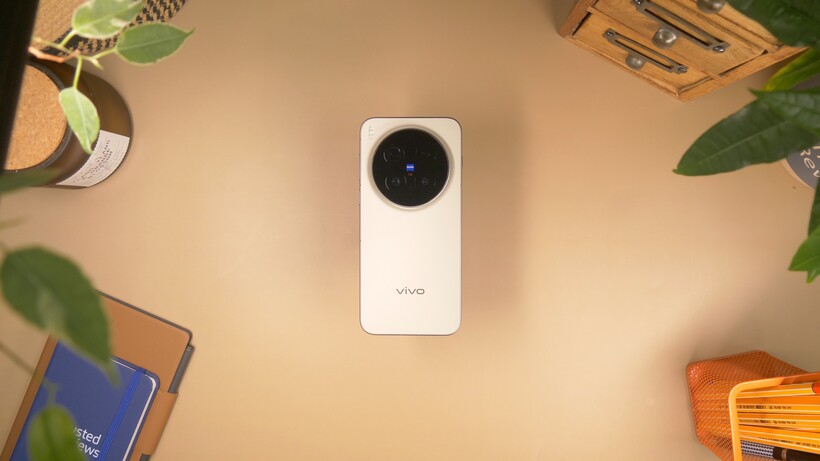 Image Credit (Trusted Reviews)
Advertisement
I’m a fairly light user who lives in an area with very little 5G coverage. So even when moving around a lot, on a busy day, my drain isn’t as heavy as someone on the go constantly battling network traffic in urban areas with high population density.
For my own light usage – which rarely tops three hours of casual social media, gaming, browsing, YouTube and communication – I could just about get through two days without much of a struggle. Our typical 1-hour Netflix test drained about 5% of the battery, which is about normal.
More demanding users should still get through a whole day without a sweat. At least, they will if they get the 6510mAh battery version I’ve been testing. If you’re in the European market, you’ll get just 5440mAh, which again, should make it through a day, but probably not two.
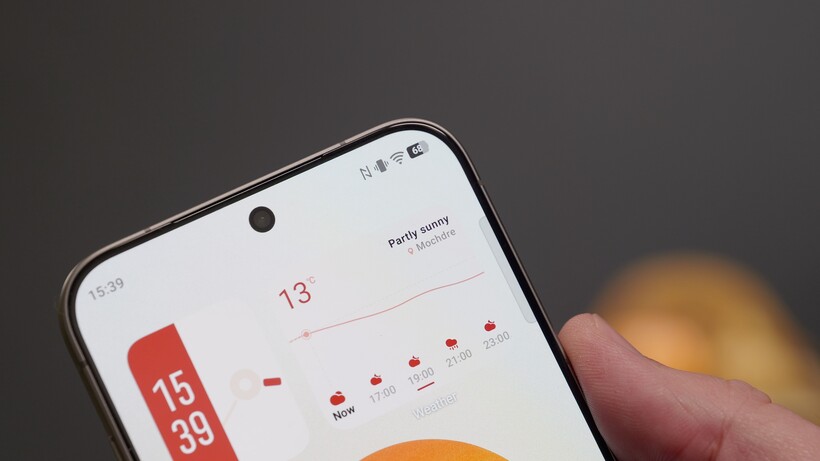 Image Credit (Trusted Reviews)
Still, with its 90W charging speeds, battery anxiety really isn’t a concern. With the proprietary charging adapter, I was able to do a 50% refill in just 18 minutes. By 30 minutes, it was almost three-quarters full.
That means you don’t ever need to charge it overnight. Just plug it in when it hits that red zone at 19%, and within 20 minutes or so, you’ve got enough battery to get through a full day.
Advertisement
It’s got wireless charging too – up to 40W speeds if you have a compatible wireless charger.
Should you buy it?
You want a versatile camera system
The trio of high-res rear lenses delivers great performance across the board, regardless of light conditions.
You want the best battery life
Though the global version of the phone ships with a 6510mAh cell, the EU version is much smaller.
Final Thoughts
On the whole, the X300 is a very strong phone. Its strength is clearly in the cameras, but it’s got so much going for it in other areas too. Enough, that it doesn’t feel like you have to really compromise anything to get a very capable camera phone.
If it weren’t for the unreliable Wi-Fi performance and download glitches, it would be unstoppable.
How We Test
We test every mobile phone we review thoroughly. We use industry-standard tests to compare features properly and we use the phone as our main device over the review period. We’ll always tell you what we find and we never, ever, accept money to review a product.
Used as a main phone for over a week Thorough camera testing in a variety of conditions Tested and benchmarked using respected industry tests and real-world data
Test Data
Vivo X300 Pro
Geekbench 6 single core
3373
Geekbench 6 multi core
9848
1 hour video playback (Netflix, HDR)
5 %
Time from 0-100% charge
51 min
Time from 0-50% charge
18 Min
30-min recharge (included charger)
73 %
15-min recharge (included charger)
42 %
3D Mark – Wild Life
7353
GFXBench – Aztec Ruins
105 fps
GFXBench – Car Chase
115 fps
Advertisement
Full Specs
Vivo X300 Pro Review
EU RRP
€1399
Manufacturer
Vivo
Screen Size
6.78 inches
Storage Capacity
256GB, 512GB, 1TB
Rear Camera
50MP + 50MP + 200MP
Front Camera
50MP
Video Recording
Yes
IP rating
IP69
Battery
6510 mAh
Wireless charging
Yes
Fast Charging
Yes
Size (Dimensions)
75.7 x 8 x 161.2 MM
Weight
226 G
Operating System
OriginOS based on Android 16
Release Date
2025
First Reviewed Date
19/12/2025
Resolution
1260 x 2800
HDR
Yes
Refresh Rate
120 Hz
Ports
USB-C
Chipset
MediaTek Dimensity 9500
RAM
12GB, 16GB
Colours
Phantom Black, Mist Blue, Dune Brown, Cloud White
Stated Power
80 W