
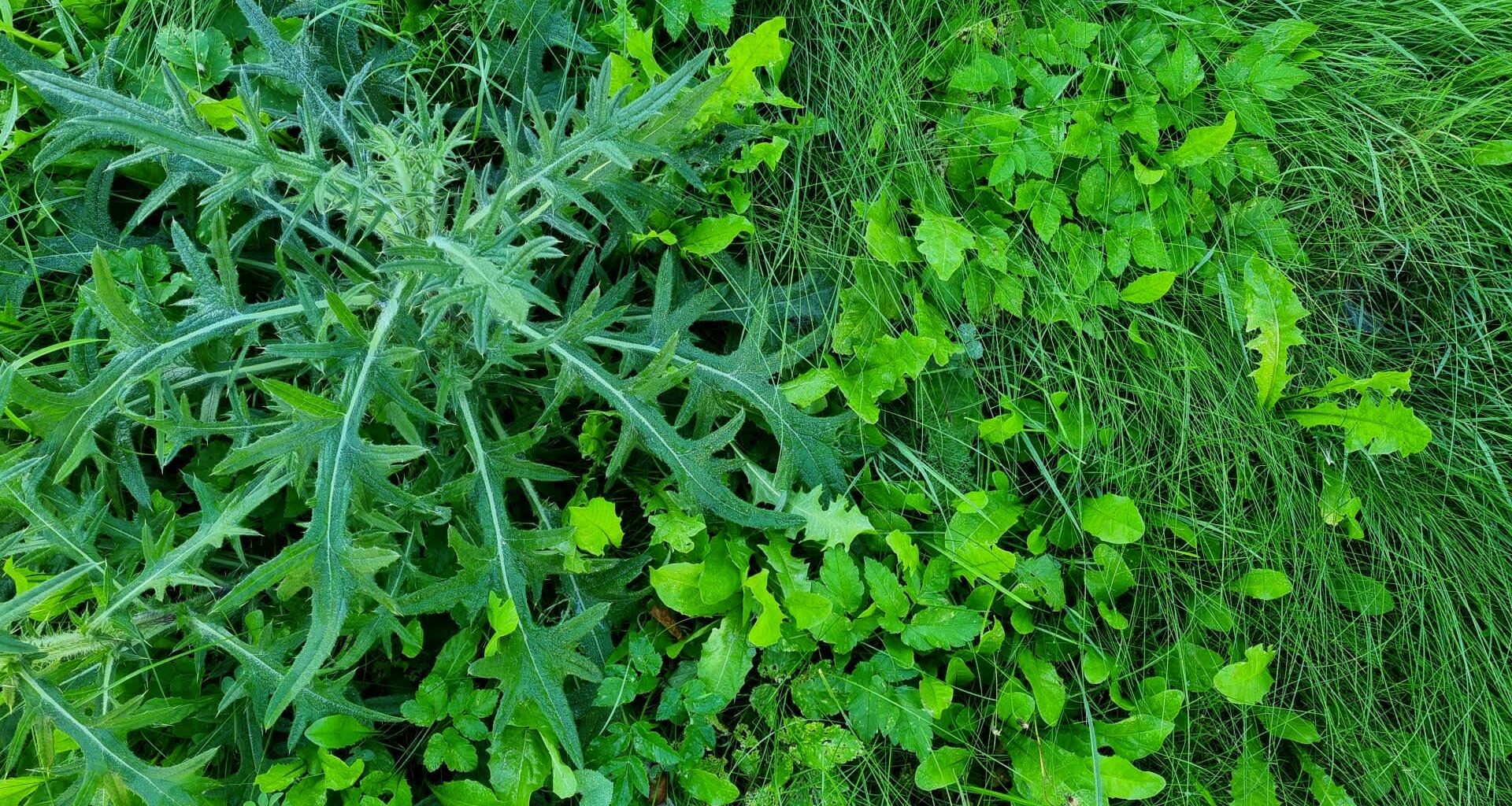
The growing push to rethink invasive plant management is getting fresh attention thanks to a new book from the Missouri Botanical Garden, ‘Love Them to Death: Turning Invasive Plants into Local Economic Opportunities,’ according to PennLive.
The book’s central focus is impossible to ignore: The United States spends an estimated $21 billion a year battling invasive species, and experts say it may be time to consider a surprising strategy.
Instead of trying to wipe out every unwelcome plant, why not use them, eat them, build with them, or turn them into something useful?
This development is newsworthy not only for the price tag attached to invasive species, but for the way it challenges long-held assumptions.
For decades, many efforts have concentrated on strict removal, often with limited success. The book’s contributors argue for a mindset shift, and ecologists Mark Davis and Matthew Chew encourage the public to “embrace more dynamic and pragmatic approaches” instead of relying on the old native-versus-non-native debate.
Their point: Some invasives may cause problems, but others can offer surprising benefits when handled thoughtfully.
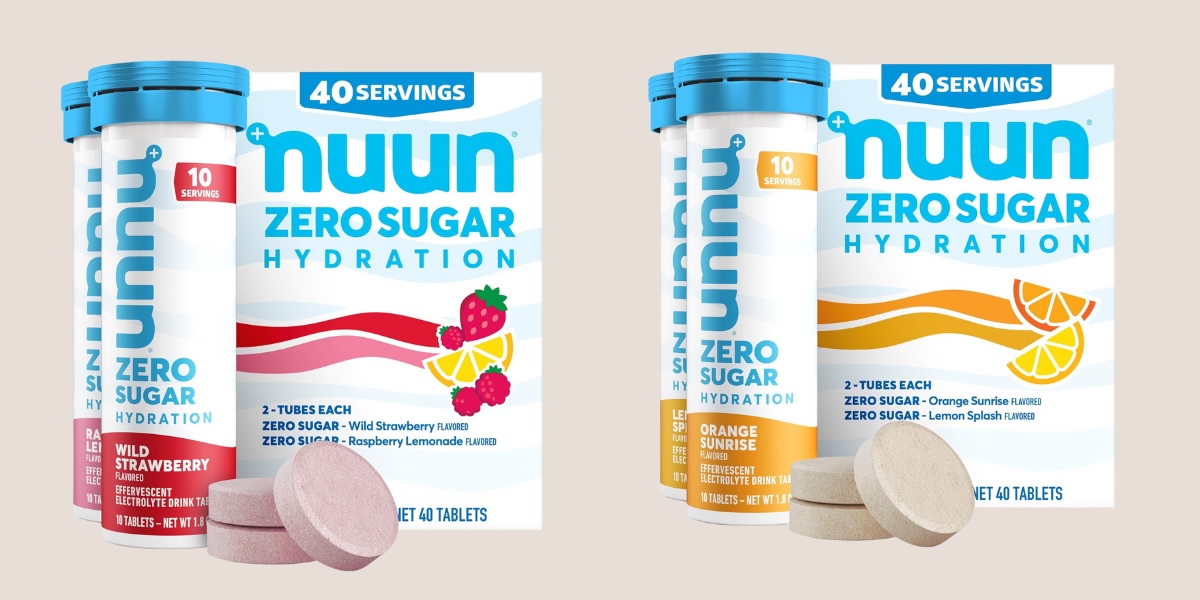
Nuun’s zero-sugar hydration tablets are a perfect, guilt-free way to enhance your water throughout the day. You’ll get five essential electrolytes for everyday hydration — with zero grams of sugar.
Plus, Nuun tablets are certified vegan and gluten-free, and they’re the perfect size to keep in your car, purse, or anywhere you’ll want a healthy, restorative drink.
For consumers and local communities, this reframing opens the door to solutions that feel less like a losing battle and more like everyday empowerment.
Japanese knotweed, for example, often considered a nightmare along creeks and roadsides, has edible young shoots that taste a bit like asparagus.
Kudzu, known for taking over hillsides, has been used for centuries as a natural thickener.
Even familiar “lawn weeds” such as chickweed and garlic mustard were originally brought here as food.
Understanding and managing these plants doesn’t just help the environment; it helps people.
Invasive plants can crowd out the species that support pollinators, which eventually affects our food supply. They can choke waterways, complicating local flood control. So when communities pull, harvest, and repurpose these fast-growing plants, they’re not just restoring ecological balance — they’re making neighborhoods cleaner, safer, and easier to care for.
And if a little creative foraging eliminates a patch of knotweed in the process, that’s a win-win.
Get TCD’s free newsletters for easy tips to save more, waste less, and make smarter choices — and earn up to $5,000 toward clean upgrades in TCD’s exclusive Rewards Club.
