
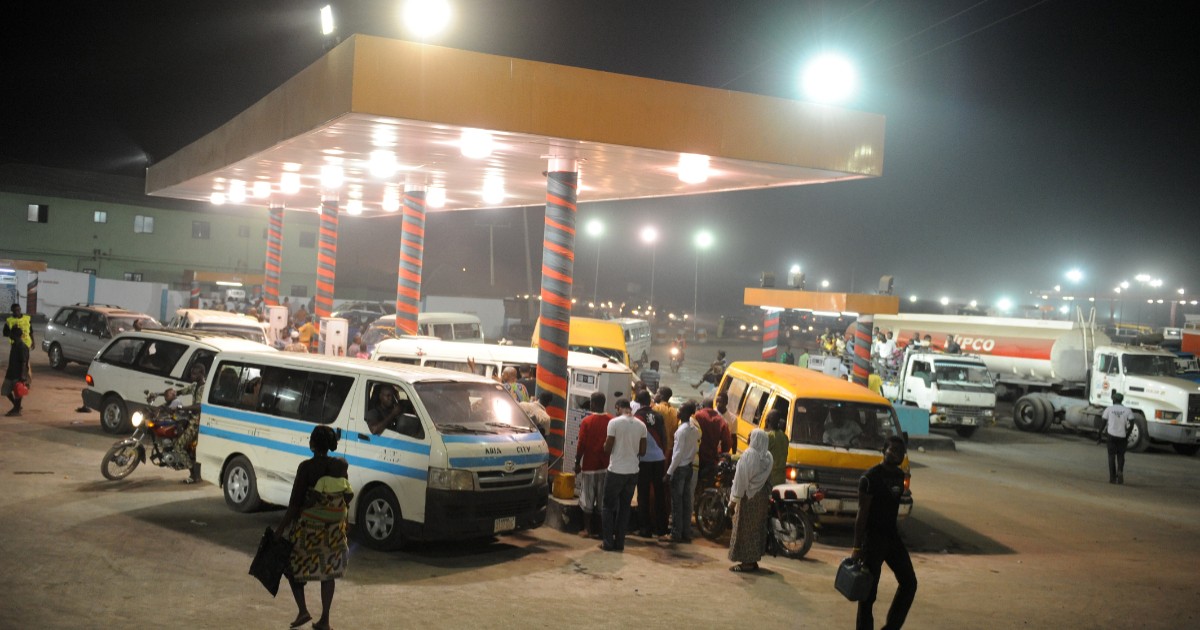
As global volatility combined with domestic political tensions and infrastructure flaws, numerous African countries faced crises that highlighted the continent’s susceptibility to petroleum reliance.
One of the most concerning incidents occurred in Mali, where the impact of gasoline scarcity swiftly escalated into a national catastrophe.
In early September, al-Qaeda-linked rebels placed an embargo on petroleum shipments into the landlocked country.
Convoys hauling petroleum were assaulted en route to key towns, including Bamako, resulting in significant shortages that disrupted everyday life.
By October, the situation had worsened so drastically that Italy issued a travel warning, citing increased security threats and the Malian government’s growing incapacity to control the crisis.

The scarcity of gasoline quickly caused the closure of schools and institutions around the country.
In Bamako, blocked fuel outlets forced citizens to travel great distances, wait hours for rare motorbike taxis, or stay at home.
Elsewhere in West Africa, Ghana also felt the strain of fuel scarcity.
Such narrow margins underscored the energy sector’s frailty and the possibility of widespread blackouts if supply interruptions continued.
The warning came at a time when rising global fuel prices had already raised the operating expenses of electricity generation, putting consumers and companies under increasing strain.
The Horn of Africa faced its own set of issues, with political tensions between Sudan and the United Arab Emirates disrupting the region’s important oil supply route.
The situation brought major commodities trader Vitol and exacerbated economic instability in Sudan and South Sudan, where government income and energy access are significantly reliant on uninterrupted oil transportation.
Across the continent, rising gasoline prices exacerbated these vulnerabilities.
The Central African Republic continuously had the highest fuel prices this year, while Zimbabwe, Malawi, Seychelles, Sierra Leone, Burkina Faso, Senegal, Cameroon, Uganda, Morocco, and Kenya were usually among the top ten most expensive fuel markets in Africa.
With that said, here are the African countries with the highest fuel prices in December 2025, as per data from GlobalPetrolPrices.
The global average fuel price remained constant at $1.29 per liter, a figure consistent with the last two months; however, the fuel price for CAR, Burkina Faso, Cameroon, Seychelles, the Ivory Coast, and Kenya all increased marginally.
While prices for Malawi, Senegal, and Zimbabwe have reduced.
Morocco replaced Uganda at the top 10 list this month from last.