
Randall Carrington sits on a park bench at Manly Beach. It’s 1977, and he’s got a sun-kissed Australian tan and wavy blonde hair.
The painting hangs in Kerry Carrington’s home office, frozen in time.
It’s about all that she has left of her brother.
Warning: This story includes descriptions of sexual violence
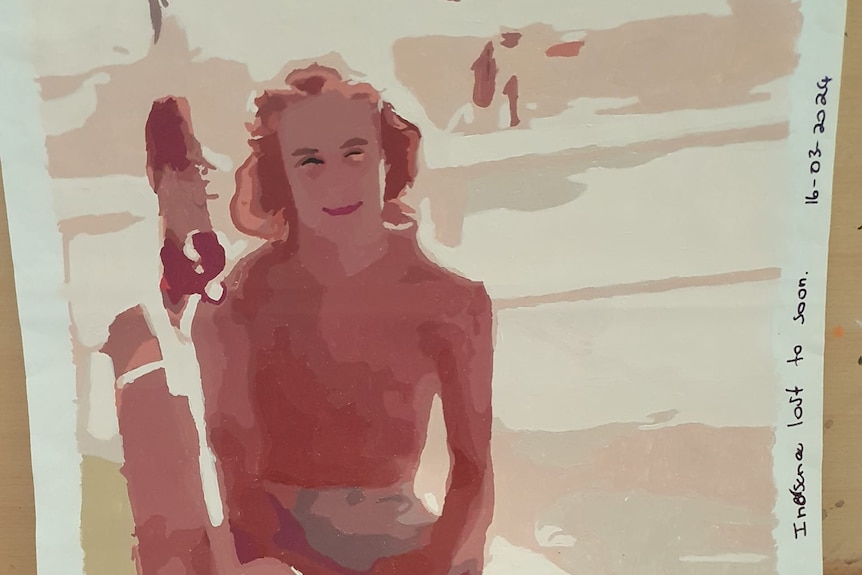
A painting of Randall by former Wolston Park patient Debbie Manson hangs on Kerry Carrington’s wall. (Supplied: Kerry Carrington)
Mr Carrington died by suicide after he was released from Brisbane’s notorious Wolston Park Mental Hospital.
The mental facility closed in 2001, but it has long been tainted with allegations of sexual abuse and patient mistreatment.
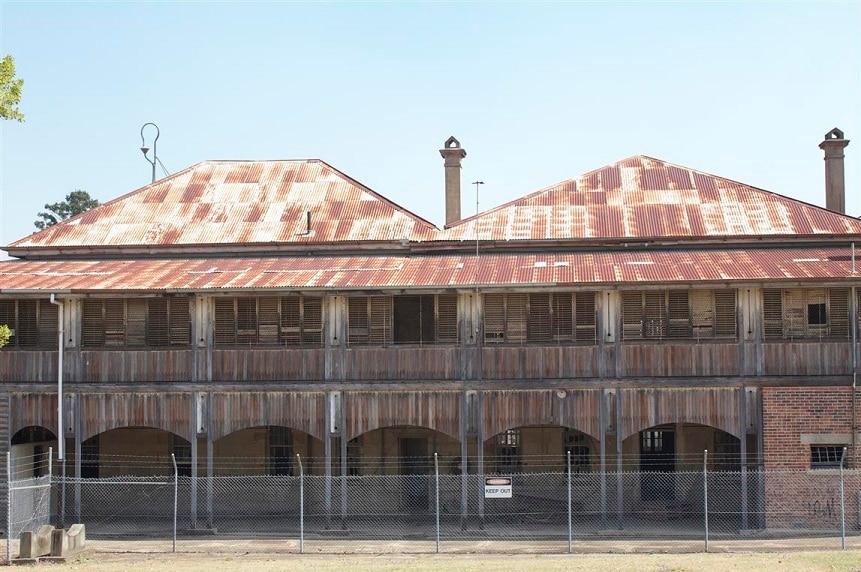
In the late 1970s, Mr Carrington was housed at Pearce House — a high-security ward at the hospital for violent male offenders with mental illnesses.
But he had no criminal record and was 18 when he was sent to Wolston Park.
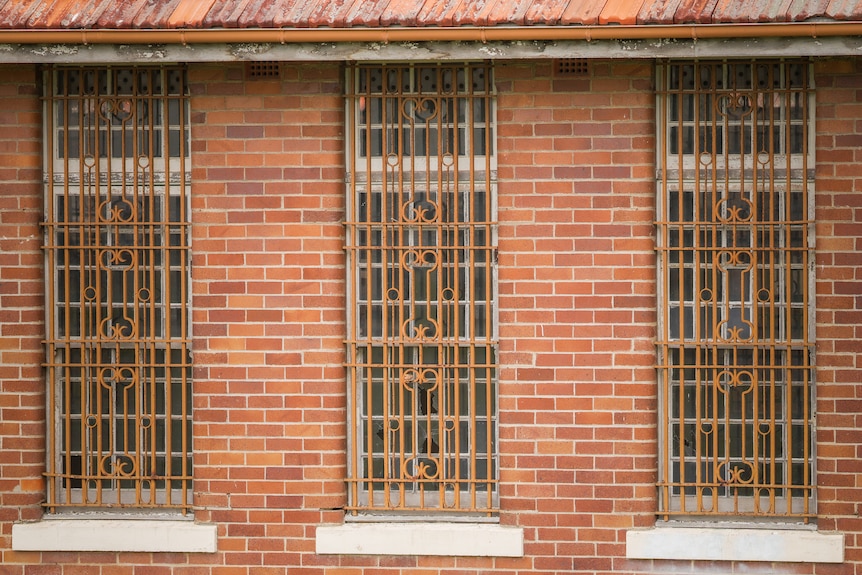
High-security Pearce House at Wolston Park was reserved for violent male patients. (ABC News: Christopher Gillette)
“He was tripping out on gold-top mushrooms and was misdiagnosed as schizophrenic,” Ms Carrington said.
“He was bashed, he was robbed, and for protection, he had to offer sexual services to the charge nurse”.
Ms Carrington has fought for years for an inquiry into Wolston Park.
A 12-month review into the former mental health facility was released on Friday, following an ABC investigation.
The report included harrowing accounts of child sexual abuse, sexual violence and staff cover-ups.
For patients and their families, the review process has been cathartic.
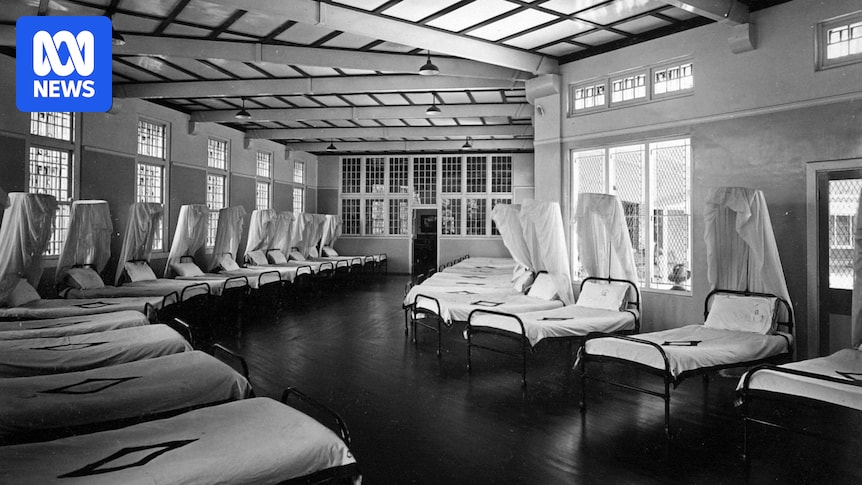
A 12-month report into Wolston Park revealed harrowing accounts of child sexual abuse, sexual violence and staff cover-ups. (Submitted: Kathleen Mary Fallon)
Queensland Health is now investigating options for a public memorial, which participants of the review have welcomed.
But Ms Carrington says there also needs to be reconciliation, in the form of a public apology to all former patients and their families.
“We’re still left waiting for an apology, we’re left waiting for justice,” she said.
“I would like to know if there’s going to be an investigation into the many serious crimes. Are they going to be properly investigated and taken seriously?”
Queensland’s health minister Tim Nicholls told reporters on Friday that Wolston Park was “a sad and sorry chapter in Queensland’s past”.
“The report itself was commissioned … following reports by the ABC … the overarching aim was for people to be able to tell their stories and that’s what this report has been about,” he said.
Counselling and support services1800 Respect, National counselling helpline: 1800 737 732Bravehearts, counselling and support for survivors of child sexual abuse: 1800 272 831Lifeline, 24-hour crisis support and suicide prevention: 13 11 14Kids Helpline on 1800 551 800Headspace on 1800 650 890 (children and young people)ReachOut at au.reachout.com (children and young people)QLife on 1800 184 527
Find support services in your state or territory.
Patients and families ‘silenced’
Paul Morgan is the first known male patient to come forward publicly and put his name and face to allegations of historic abuse at the facility.
In 1959, at the age of 14, he was sent to the institution to treat his epilepsy. He says he experienced repeated sexual abuse and underwent shock therapy.
Mr Morgan participated in the review and said it had been “good to air what really happened behind closed doors”.
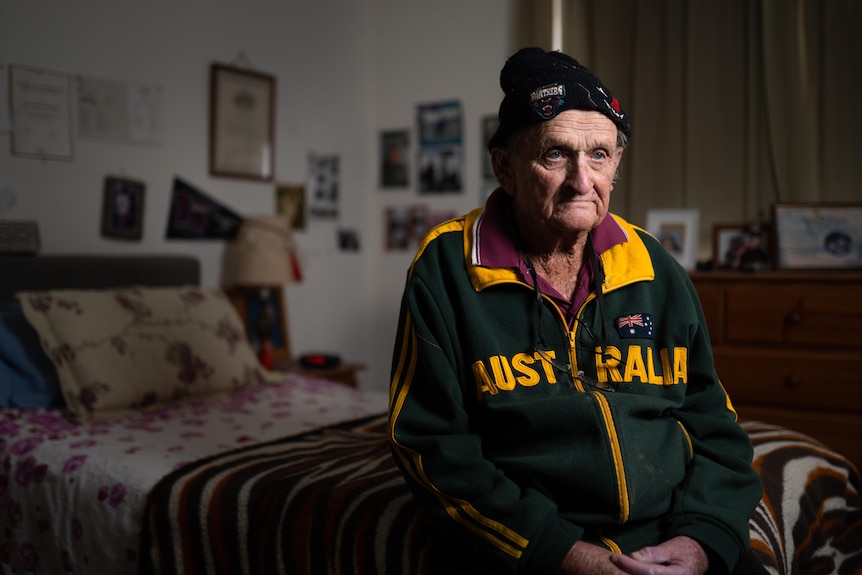
Paul Morgan was the first male patient to make public his story and allegations of abuse. (ABC News: Keana Naughton)
But like all of the other patients and families, he was anonymised in the report.
He agrees with the review’s recommendation for Queensland Health to name patients who wish to be identified.
“People have to know what went on and how it affected our lives,” Mr Morgan said.
Mr Nicholls said Queensland Health had not accepted that recommendation because of “patient privacy”.
“They can identify themselves if they choose to do so, but there are others who do not want to go back and revisit that time,” he said.
Ms Carrington said patients and their families had been “silenced”.
“The atrocities of Wolston Park have been hidden, denied for decades and that silence is traumatising,” she said.
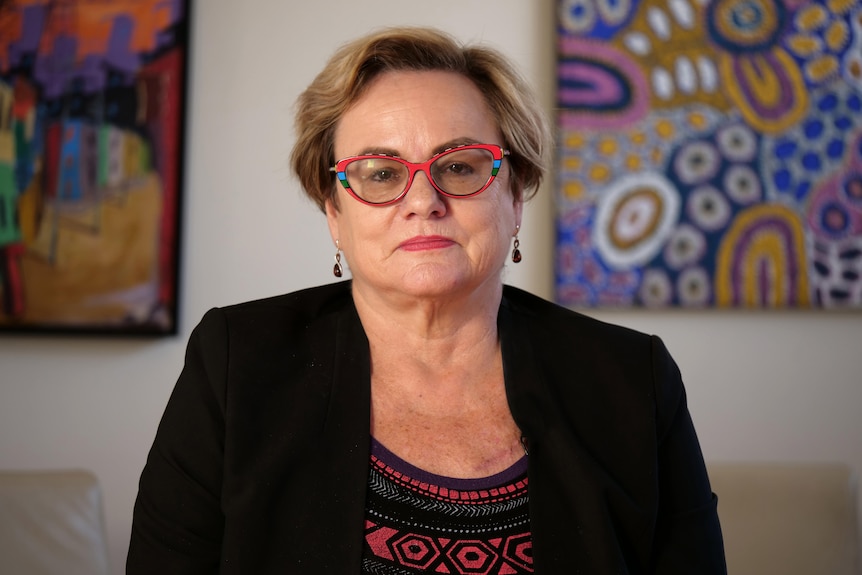
Kerry views the choice not to name victims as a way to deny the “atrocities” of Wolston Park. (ABC News: Justin Huntsdale)
“It’s really important for us to be heard and, for those of us who want to be, to be named.”
Shadow treasurer Shannon Fentiman, who commissioned the report while in government, supported patients’ wish to be named.
“I would urge the government to make sure they’re doing everything they can to make that a reality,” she said.
Do you have a story to share?
Contact Eden Gillespie at eden.gillespie96@proton.me or Gillespie.Eden@abc.net.au
Unmarked graves still a point of pain
Hundreds of unmarked gravestones of former patients are tucked into the corner of Goodna Cemetery.
For survivors of Wolston Park, they are a painful reminder of the silencing of the past, with Queensland Health records about the facility usually sealed for 100 years.
Lead reviewer, Professor Robert Bland, previously told the ABC he would aim to put a name to those gravestones at Goodna.
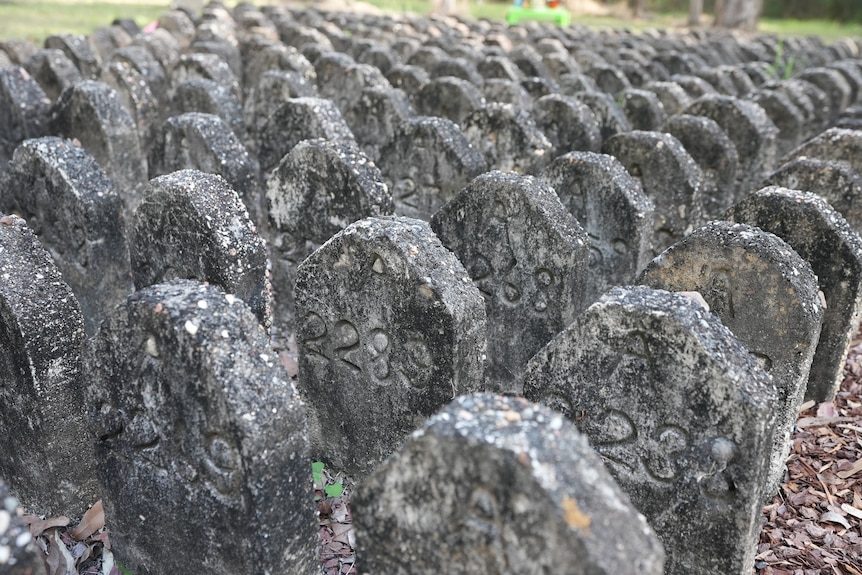
Unnamed grave markers belonging to Wolston Park Mental Hospital patients. (ABC News: Glen Armstrong)
But the final report on Friday said this was not part of the review’s terms of reference.
Author and citizen historian, Lisa Herbert, has spent years researching the missing remains of former patients of the hospital.
“I’m very disappointed that a recommendation wasn’t made to allocate resources and time to look at the unknown resting places of patients,” she said.
Ms Herbert says there are some reports of patients’ remains being laid in trenches at Goodna cemetery.
There are also active graves at Wolston Park, according to Ms Herbert, who says these must be protected from encroaching development.
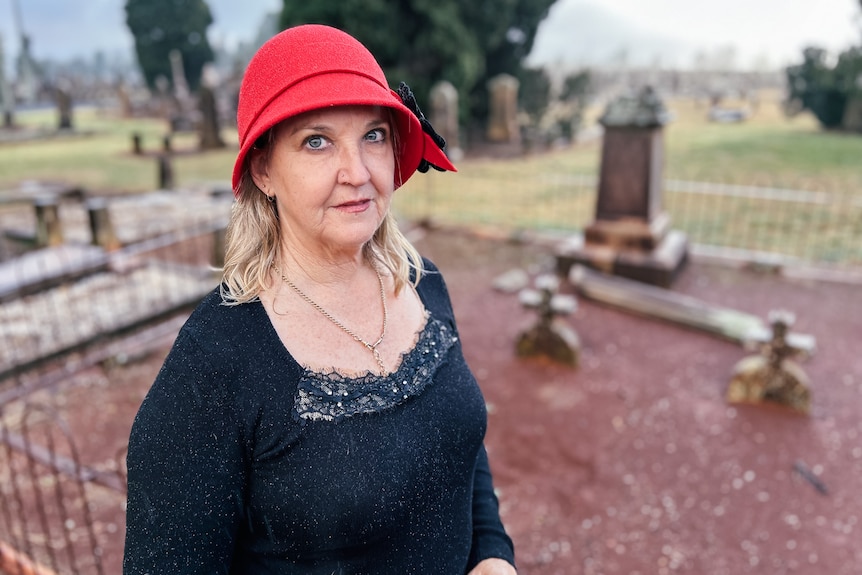
Lisa Herbert says she’s disappointed a recommendation wasn’t made to search for lost graves. (ABC Southern Qld: Peter Gunders)
“There were three cemeteries at Wolston Park hospital … I wanted those cemeteries protected,” she told ABC News.
“I’d also like to see further exploration of the Goodna cemetery to find those trenches … it would be really nice to know where those patients are. We don’t know their names.”
Ms Carrington says the unmarked graves are a stain on Queensland’s history.
“They tried to hide this by hiding them in unmarked graves, and it has a really traumatising impact on those who survived.
“It’s how they were treated, they were silenced, they weren’t believed and their … experiences were denied for decades.
“Their experiences are real, and the graves are a stark reminder of that.”
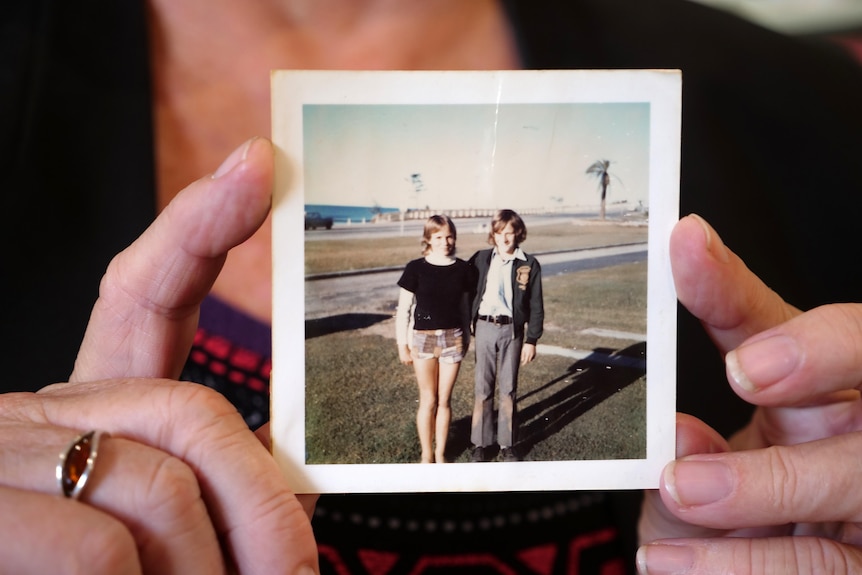
Kerry Carrington fought for years for an inquiry into Wolston Park. (ABC News: Justin Huntsdale)
Ms Carrington wants Osler and Pearce House wards to be converted into a memorial, with the paintings of former patient Debbie Manson.
Ms Manson painted the portrait of Mr Carrington that hangs in Ms Carrington’s office.
It is a daily reminder of why she started this fight to uncover the truth of Wolston Park.
“The review goes some way to healing the trauma, but until there’s some justice, it won’t ever,” Ms Carrington said.
“There’s a final step to go.”