
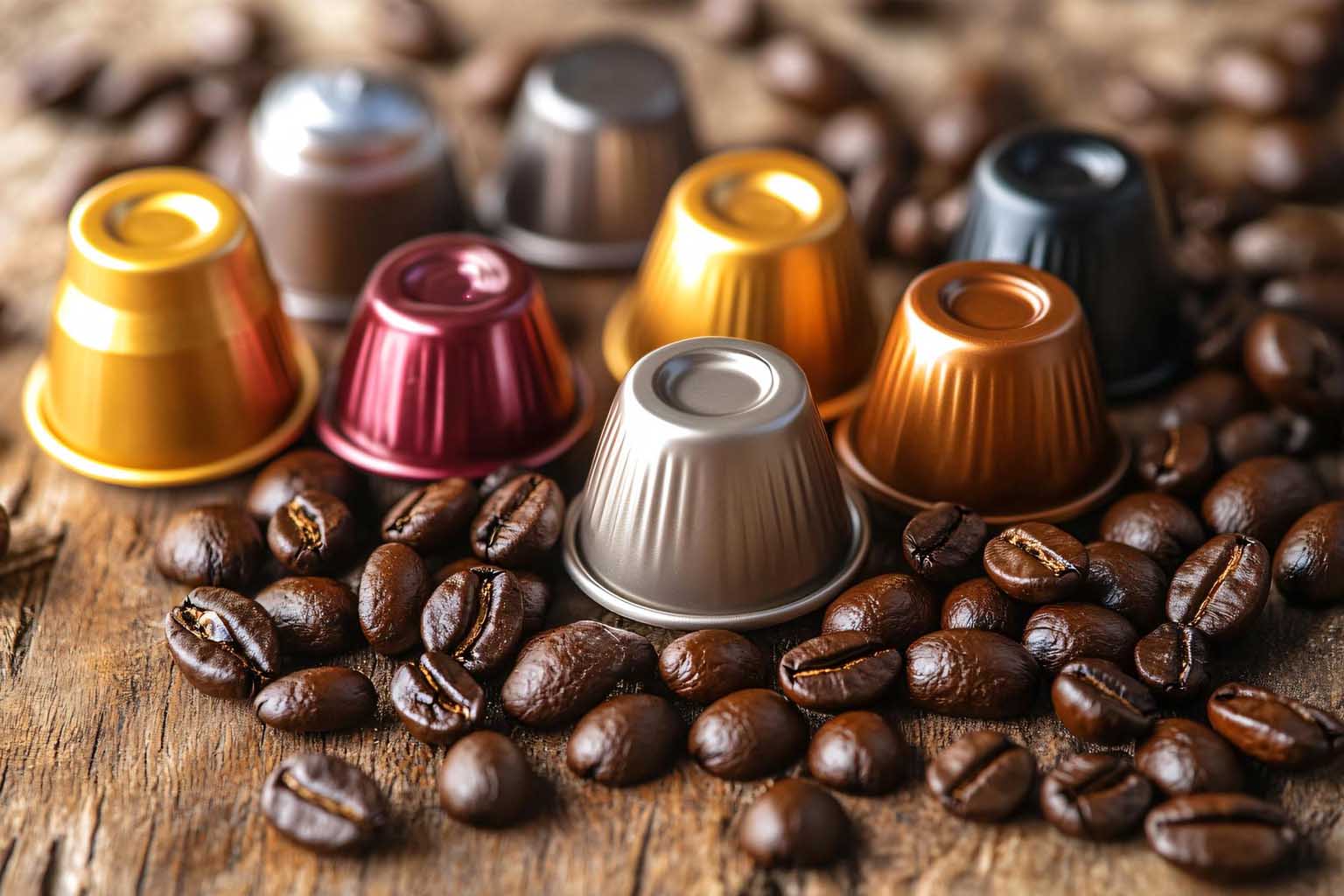
Making coffee in the morning feels like a small pleasure we rarely question. Pop in a capsule, press a button, and within seconds, comfort flows into your mug. The more convenient it is, the more often we drink it. But behind that simplicity, scientists are starting to ask an uncomfortable question : could those capsules quietly interfere with our hormones ?
Coffee capsules are everywhere, and millions of people use them daily without a second thought. Yet research suggests that under heat and pressure, some capsules may release hormone-disrupting chemicals into your cup. It’s not about panic, but about awareness.
As scientists look closer, everyday habits suddenly matter, reminding us that convenience often comes with trade-offs, and that understanding what we consume, even in small rituals, can quietly shape long-term health over the years ahead.
Why coffee capsules are under scientific scrutiny
This concern gained attention after work by Spanish researcher Nicolás Olea, who studies endocrine disruptors. His findings suggest that many coffee capsules, especially those made from plastic or aluminum with internal coatings, can release substances that interfere with hormonal balance.
These compounds don’t act like traditional toxins. Instead, they mimic or block natural hormones, confusing the body’s signaling systems. Over time, this may affect thyroid function, fertility, metabolism, or even pregnancy outcomes.
What makes capsules particularly problematic is how they’re used. Coffee machines operate at high temperatures and pressure, exactly the conditions that increase chemical migration from packaging into food and drinks.
What endocrine disruptors actually do to the body
Endocrine disruptors are found in many everyday products, from food packaging to cosmetics. Once inside the body, they can imitate estrogen or interfere with hormone receptors, even at very low doses.
The issue isn’t a single exposure. As Olea explains, the real danger lies in constant exposure over time, something researchers call the “cocktail effect.” Your body doesn’t easily eliminate these chemicals, so small amounts can accumulate.
Several studies have linked long-term exposure to these compounds with metabolic disorders, fertility issues, and hormonal imbalances. Some researchers also suspect connections to rising rates of obesity and diabetes, though this is still being studied.
When coffee becomes a daily ritual, the exposure becomes routine too.
Heat, pressure, and why capsules are different
Capsule machines don’t just heat water. They force hot liquid through sealed containers under pressure, increasing contact between coffee and capsule materials. This process can release substances like bisphenols and phthalates, commonly used in plastics and coatings.
Scientific analyses published in PubMed have detected estrogen-like activity in some coffee capsules. In certain cases, researchers identified more than 20 different chemical compounds with hormonal potential.
Regulation hasn’t fully caught up. In Europe, only substances proven to be clearly toxic or carcinogenic are banned. Many endocrine disruptors remain legal because their effects are subtle, delayed, and difficult to measure in isolation.
That legal gap means products can meet safety standards while still raising long-term health questions.
How to reduce exposure without giving up coffee
The good news is that you don’t have to quit coffee to lower your risk. Small changes can significantly reduce daily exposure while keeping your morning ritual intact.
Switching to a traditional stovetop coffee maker or a French press eliminates capsule contact entirely. Many people even find the flavor richer and more satisfying.
If capsules are non-negotiable, look for stainless steel or compostable capsules, which are less likely to release harmful compounds. Avoid reheating food in plastic containers, another common source of exposure.
Ventilate your car before driving if it’s been sitting in the sun, as heated interiors release similar chemicals. Use glass or stainless steel bottles instead of plastic, and check cosmetics labeled “phthalate-free” or “paraben-free.”
I made one small change myself by swapping plastic food containers for glass. It felt insignificant at first, but it made me more conscious of how often packaging touches what I consume.
No one is asking you to abandon your coffee. Life has enough rules already. But knowing what might be hiding behind that convenience gives you back a sense of control.
Have you ever thought about what your coffee capsule is made of ? Would you change your routine if it meant protecting your long-term health ? Share your thoughts, habits, or alternatives, and let’s keep the conversation brewing.