
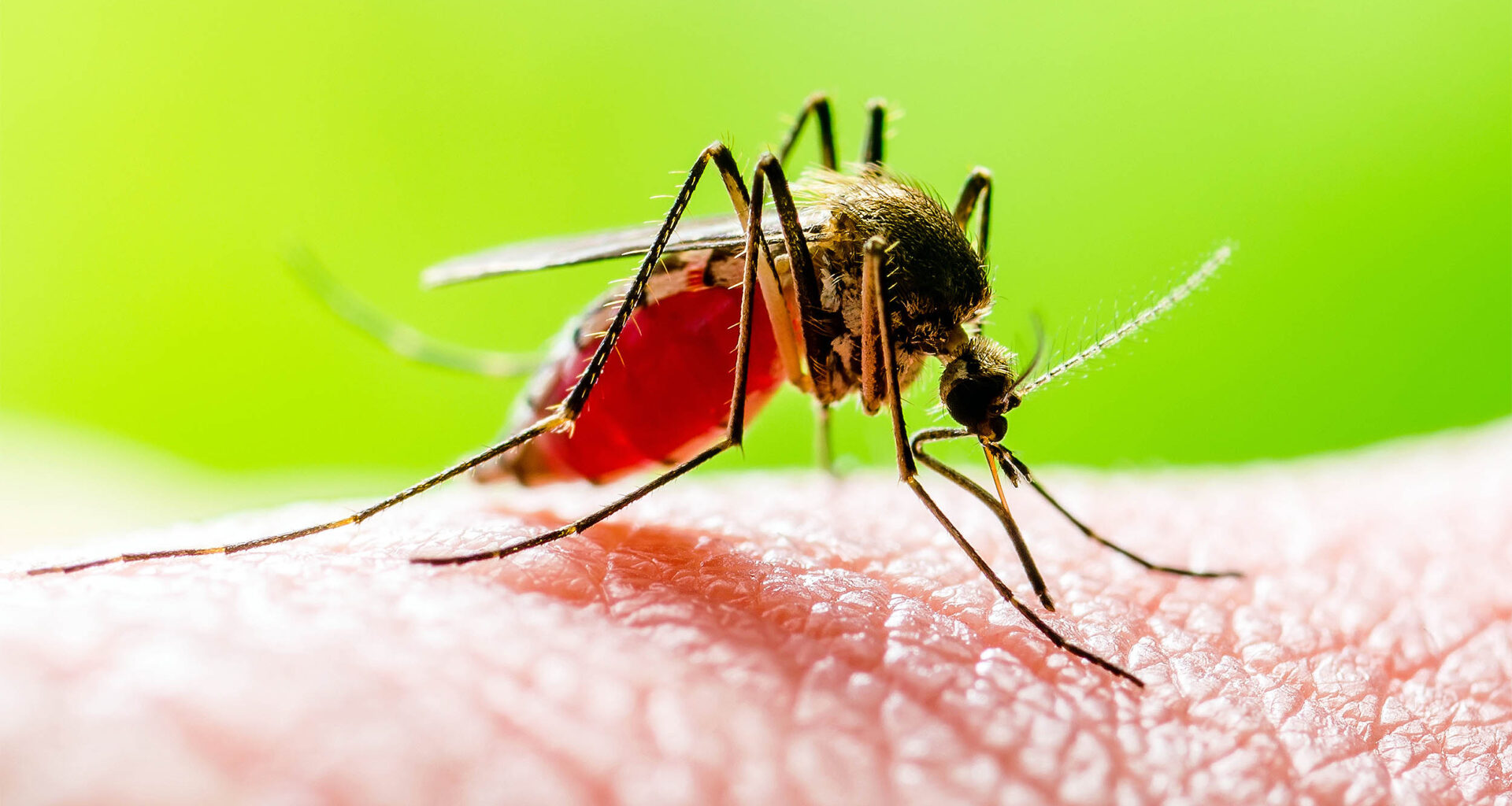
At Florida’s DeLuca Preserve, mosquitoes are doing more than just biting – they’re helping scientists track wildlife. DNA extracted from mosquito blood meals revealed traces of 86 vertebrate species, from tiny frogs to large mammals, according to researchers at the University of Florida.
This sampling approach uses blood-fed mosquitoes as biological collectors, acquiring host DNA each time an insect bites a vertebrate animal.

The work was led by Dr. Lawrence Reeves, who studies mosquito ecology and disease control. Dr. Reeves’ curiosity prompted him to test whether the blood sampling method could reduce labor-intensive trapping and counting in traditional field surveys.
DNA survives in mosquito blood
Host cells pass through a mosquito gut during feeding, where digestion breaks cells apart and releases short DNA fragments.
Scientists call that leftover material invertebrate-derived DNA (iDNA), genetic material obtained from blood-feeding insects.
Timing is critical – enzymes degrade DNA quickly, so samples must reach cold storage to remain readable for sequencing.
Field teams capture mosquitoes after feeding, sort them by species and sex, and extract the blood in the lab.
Strict cleaning and cold storage prevent contamination and slow DNA breakdown, giving scientists enough time to analyze samples accurately.
DNA barcoding mosquito blood
Genetic matching relies on DNA barcoding, a method that links short gene regions to reference libraries to identify a host.
Researchers copy tiny DNA segments in test tubes, and then use software to compare sequences against databases to find the closest match.
Ambiguous results appear when libraries lack local species, so detection improves as reference collections expand.
This mosquito-based survey detected a wide range of hosts at one site, including mammals, birds, reptiles, and amphibians.
“Using mosquitoes, we captured vertebrates that ranged from the smallest frogs to the largest animals like deer and cows,” said Dr. Reeves.
Other blood meals contained DNA from coyotes, bald eagles, rattlesnakes, and gopher tortoises – revealing broad feeding patterns.
Mosquito-derived DNA sampling detects vertebrates that often evade cameras, because mosquitoes bite animals active at night or in tree canopies.
Some species still escape detection, because insects must bite an animal before its DNA appears in samples.
The researchers evaluated these gaps by comparing known wildlife lists with species absent from the genetic record.
Why rare animals are missed
Florida panther DNA did not appear in the results, and wildlife agencies still classify Puma concolor coryi as federally endangered.
Rare encounters and low bite frequency can prevent detection, meaning this method works best when combined with camera traps or scat surveys for confirming elusive species.
Local mosquito communities shape the results, because some species prefer birds while others feed mainly on mammals.
Researchers measured host detection efficiency, the number of species found per blood meal, and values varied by mosquito species.
Uneven biting patterns can skew results, so surveys perform best when multiple mosquito species contribute data.
Comparing with traditional surveys
A companion analysis compared mosquito-derived DNA sampling with conventional wildlife surveys across wet and dry seasons at the preserve.
The genetic approach aligned most closely with traditional methods during the wet season, when blood-feeding mosquitoes peak.
Dry-season sampling produced different gaps, showing the need to match surveys to local mosquito cycles.
Early signals from mosquito DNA can flag invasive vertebrates before tracks or calls alert human observers.
Protected lands may use this approach to confirm that restoration efforts support both predators and prey.
Wildlife agencies could also apply the sampling method to locate hidden amphibians, whose populations often decline quietly.
What the DNA cannot show
DNA records reveal which animals were bitten, but they do not indicate abundance or population size.
Some blood meals contain mixed genetic material, requiring careful separation when mosquitoes feed more than once.
Heat, moisture, and handling conditions can degrade iDNA quickly, narrowing the window for clean identification.
Mosquito blood, DNA, and health
Host choices revealed through mosquito DNA help shape disease risk, because pathogens spread only after specific bites occur.
Blood meal analysis links mosquito species to hosts, helping researchers map transmission routes for mosquito-vectored pathogens.
Public health teams could use these patterns to identify emerging risks before human cases appear.
Wider adoption of mosquito iDNA sampling will require local calibration, accounting for habitat differences and mosquito feeding habits.
Combined with other monitoring tools, mosquito blood could provide early warnings of ecological change and help track wildlife in ways cameras and human observers can’t.
The study is published in the journal Scientific Reports.
—–
Like what you read? Subscribe to our newsletter for engaging articles, exclusive content, and the latest updates.
Check us out on EarthSnap, a free app brought to you by Eric Ralls and Earth.com.
—–