
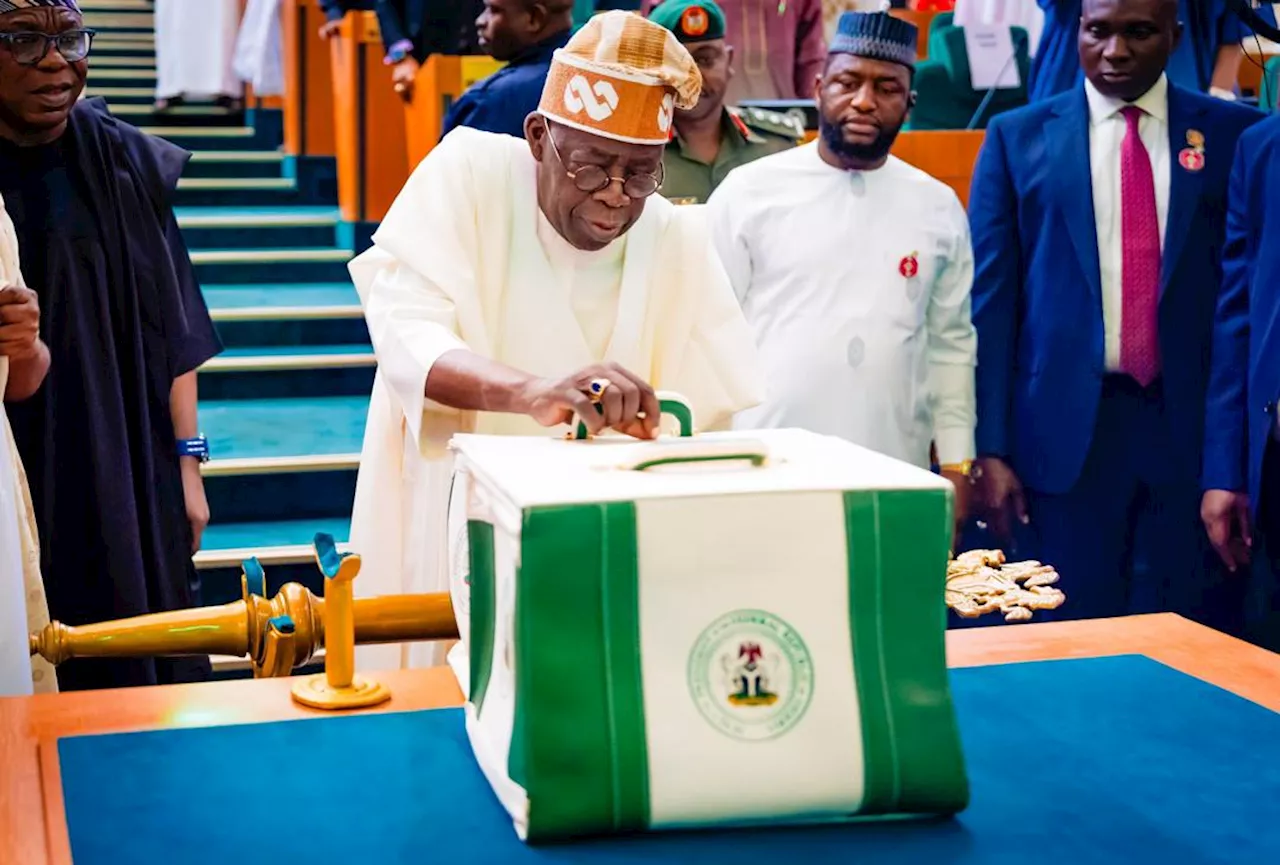
The Nigerian government has increased its proposed 2026 budget to ₦58.18 trillion to accommodate the financial burden of massive recruitment into the military, police, and other security agencies. The revised budget, announced after the initial estimates were prepared, reflects the government’s commitment to strengthening national security. This significant increase also impacts allocation across various sectors.
The Presidency has clarified the rationale behind President Bola Tinubu’s decision to increase the proposed 2026 Federal Government budget to ₦58.18 trillion. The primary driver for this upward revision, according to information released by the Presidency, is the financial impact of the recently approved massive recruitment drive across the military, police, and other security agencies.
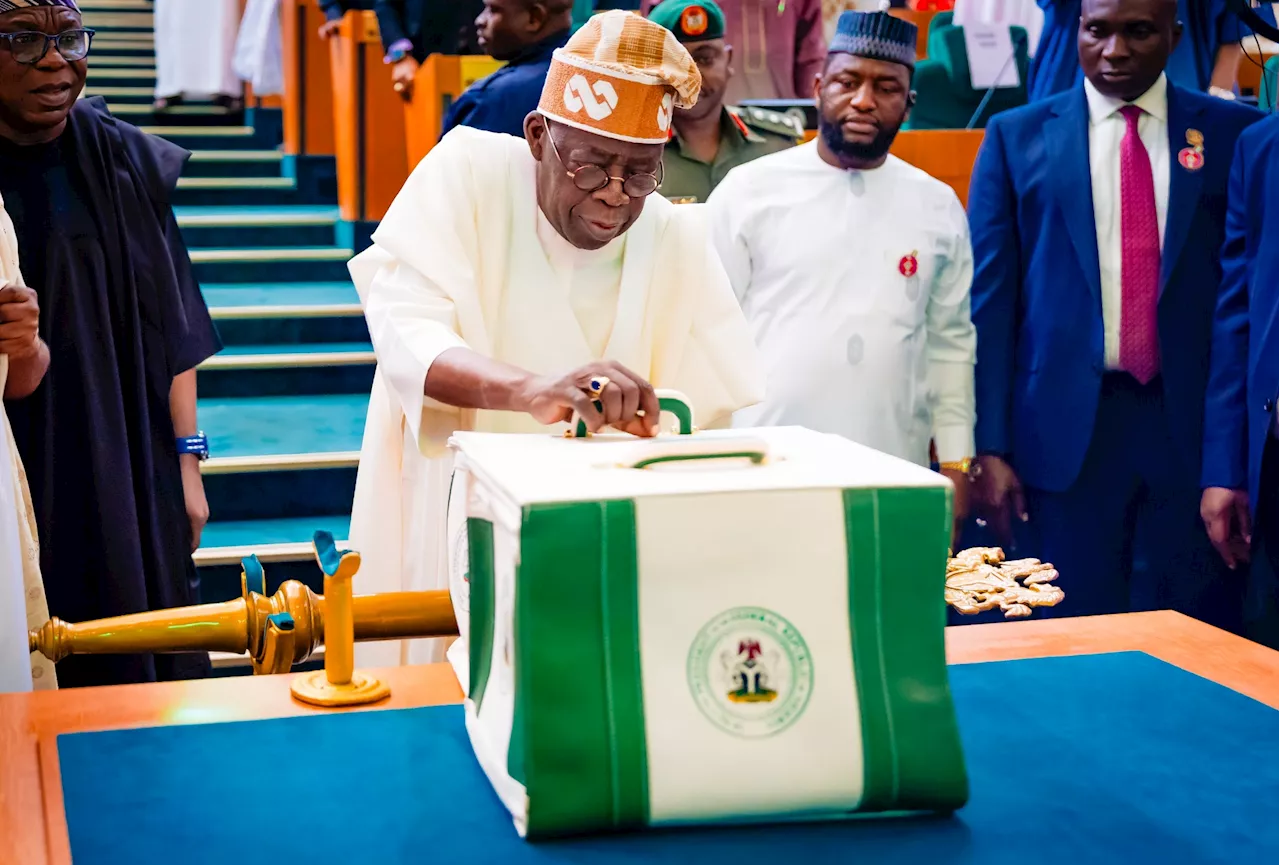
This significant recruitment exercise, announced by President Tinubu, occurred after the initial budget projections had already been finalized. The original budget figure, initially set at ₦54.46 trillion, was detailed in the Medium-Term Expenditure Framework (MTEF). However, the inclusion of the newly recruited security personnel necessitated an expansion of the spending ceiling to accommodate the additional personnel costs and related financial commitments. This adjustment reflects the government’s commitment to bolstering security by augmenting the manpower within critical national security institutions.\The Director-General of the Budget Office, Mr. Tanimu Yakubu, publicly announced the revised budget figure following a Federal Executive Council (FEC) meeting held on Friday. The announcement was made shortly before President Tinubu formally presented the 2026 budget proposal to the National Assembly. A source within the Presidency revealed that Ministries, Departments, and Agencies (MDAs) had already submitted their detailed budget proposals to the Budget Office prior to the President’s approval of the security recruitment initiative. Consequently, the original budget estimates did not account for the financial implications of integrating these new recruits. The upward review was deemed unavoidable once the full financial ramifications of the recruitment were thoroughly assessed. The Presidency has consistently maintained that the budget increase is solely attributed to accommodating these crucial additional commitments related to national security. The FEC meeting, which preceded Mr. Yakubu’s announcement, reportedly concluded in less than two hours. It was also indicated that detailed budget deliberations were not the primary focus of the meeting. Following the session, Mr. Yakubu was specifically tasked with briefing the press at the State House to formally communicate the updated budget figure.\Furthermore, the source indicated that President Tinubu promptly proceeded to present the budget to the National Assembly, underscoring the government’s commitment to expediting its passage, despite the budget process already experiencing some delays. The source explained that the MDAs will need to refine the budget details and finalize the necessary clarifications before the bill is returned to the National Assembly for further consideration. This will involve the usual budget defense process involving the various Ministries, Departments, and Agencies. The proposed ₦58.18 trillion budget represents a six per cent increase compared to the 2025 budget estimate of ₦49.7 trillion. The figure incorporates ₦4.98 trillion in projected spending by government-owned enterprises, along with ₦1.37 trillion earmarked for grants and donor-funded projects. Statutory transfers are allocated ₦4.1 trillion, while debt servicing is budgeted at ₦15.52 trillion. This debt servicing figure includes ₦3.388 trillion set aside for the sinking fund intended to settle maturing obligations owed to local contractors and creditors. Personnel costs, including pensions, are estimated at ₦10.75 trillion. This figure incorporates ₦1.02 trillion for government-owned enterprises and is seven per cent higher than the allocation in the 2025 budget. Overhead costs are projected at ₦2.22 trillion. The budget also showcases a continuing rise in non-oil revenue, which now accounts for nearly two-thirds of the government’s total earnings. This reflects a gradual move away from a heavy reliance on revenue generated from oil exports. The budget projects total revenue of ₦34.33 trillion against total expenditure of ₦58.18 trillion, leading to an estimated budget deficit of ₦23.85 trillion. This deficit represents 4.28 per cent of the nation’s Gross Domestic Product (GDP). Recurrent non-debt expenditure is planned at ₦15.25 trillion, while capital expenditure is estimated at ₦26.08 trillion. The security sector receives the largest sectoral allocation at ₦5.41 trillion. Infrastructure follows, receiving ₦3.56 trillion, with education and health receiving allocations of ₦3.52 trillion and ₦2.48 trillion, respectively
We have summarized this news so that you can read it quickly. If you are interested in the news, you can read the full text here. Read more: NigeriaNewsdesk / 🏆 10. in NG
Nigeria Budget Security Recruitment Fiscal Policy National Assembly Economy Debt
Nigeria Latest News, Nigeria Headlines
Similar News:You can also read news stories similar to this one that we have collected from other news sources.
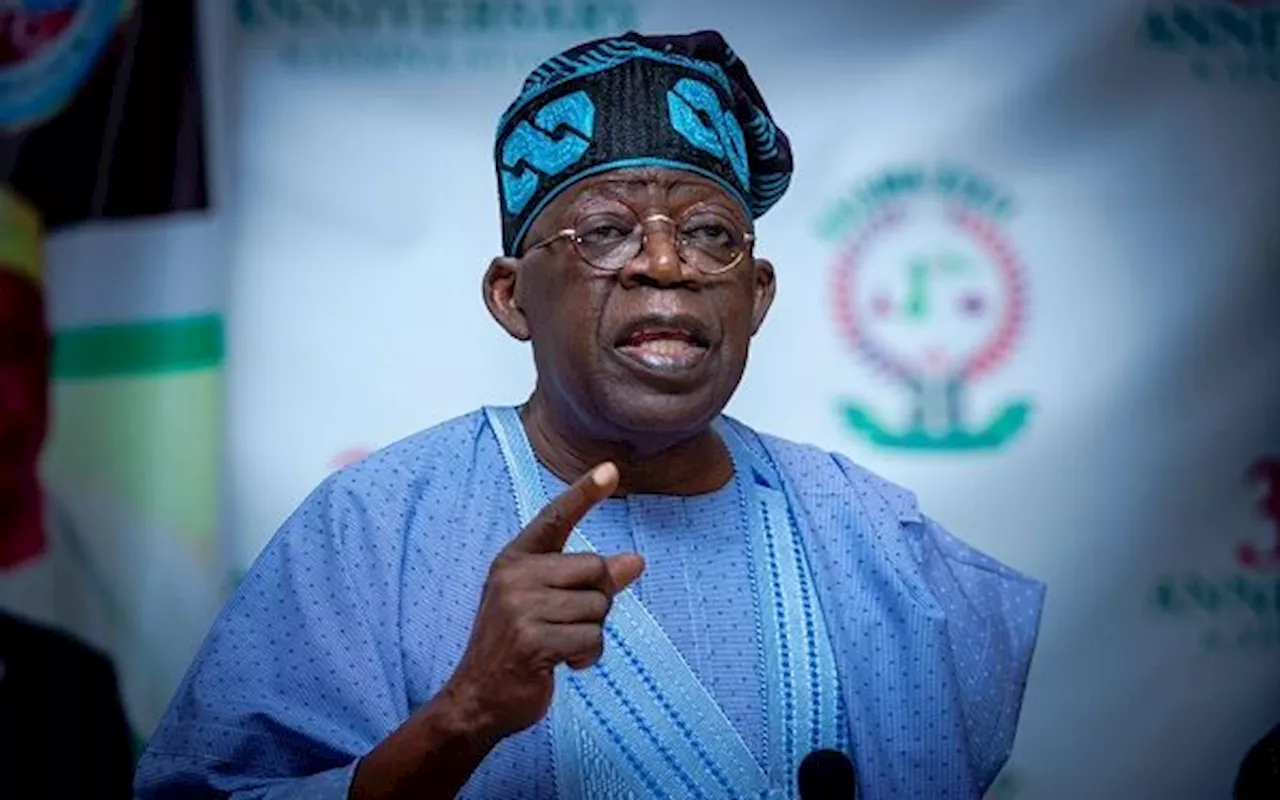 I’ll Not Show Mercy to Terrorists, Kidnappers — Tinubu Declares While Presenting 2026 BudgetA Trusted Nigerian Newspaper
Read more »
 Nigeria’s 2026 Budget and Key Developments Dominate HeadlinesPresident Tinubu presents the N58.18 trillion 2026 Appropriation Bill, themed ‘Budget of Consolidation, Renewed Resilience and Shared Prosperity’. Other key stories include concerns about visa issues for Nigerians in the US, interception of suspected terrorist supplies in Borno state, the allocation of funds to LGAs, and various state-level developments including a crime surge in FCT and an empowerment program in Borno.
Read more »
 Lagos APC Commends Tinubu’s N5.41 Trillion Security Allocation in 2026 BudgetThe Lagos State chapter of the APC has praised President Bola Tinubu’s allocation of N5.41 trillion to security in the 2026 Appropriation Bill, stating it will significantly weaken criminal and terrorist networks and secure Nigeria’s future.
Read more »
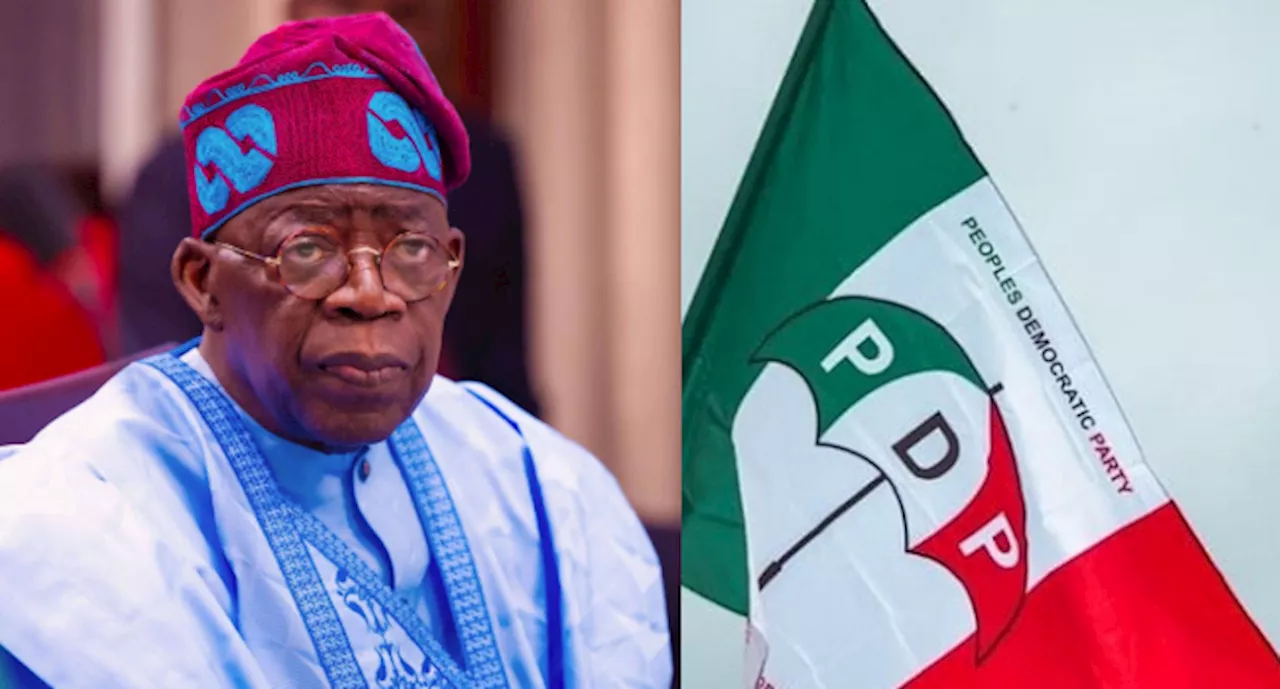 ‘Consolidated Renewed Sufferings,’ PDP Faults Tinubu’s 2026 Budget ProposalEmemobong alleged that Nigerians have endured significant economic hardships under the current administration.
Read more »
 Natasha Akpoti: It’s impact of 2026 budget — not size — that will matterNatasha Akpoti-Uduaghan, senator representing Kogi central, has described the 2016 budget as significant but cautioned that Nigeria’s development challenges cannot be solved by figures alone.
Read more »
 Saturday News Recap: Obi’s Critique Of 2026 Budget Proposal, Tinubu’s Yuletide Trip+ MoreWe are covering Peter Obi’s comment about the tax laws, President Bola Tinubu’s festive season trips, and ‘Detty December’ activities.
Read more »