
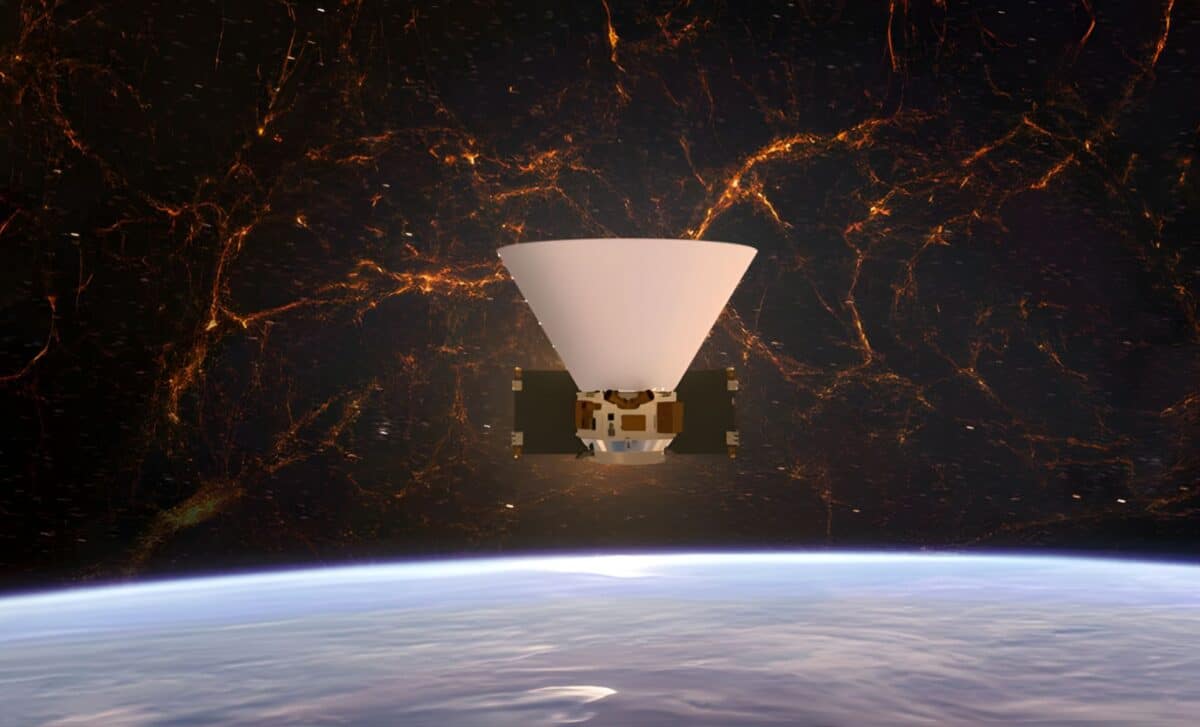
NASA’s SPHEREx telescope has just completed an extraordinary feat: it has mapped the entire sky over Earth in stunning detail. This remarkable achievement marks a significant milestone in the mission of SPHEREx, a cutting-edge space observatory designed to study the universe’s origins and evolution.
Over the course of its mission, the telescope captured the sky in 102 different infrared colors, creating an expansive and highly detailed map that promises to unlock new insights into the cosmic landscape. This treasure trove of data is set to deepen our understanding of everything from the formation of galaxies to the very nature of dark matter.
An Unprecedented View of the Universe
The SPHEREx telescope, which stands for “Spectro-Photometer for the History of the Universe, Epoch of Reionization, and Ices Explorer,” has spent the past six months gathering an incredible amount of information. By orbiting Earth just under 15 times a day, the spacecraft captures 3,600 images with each orbit.
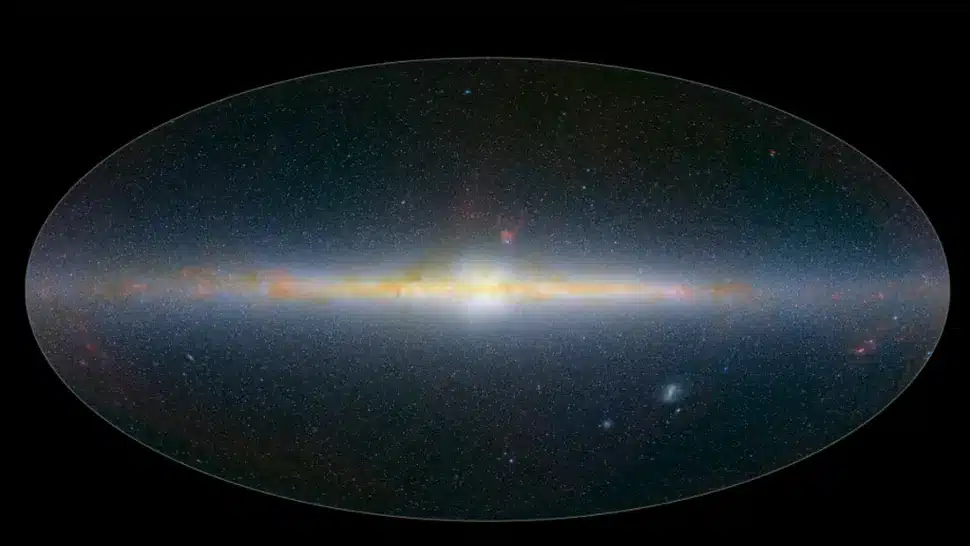 The infrared palette of the SPHEREx cosmic map. Credit: NASA/JPL-Caltech
As it completes its orbits from the North Pole to the South Pole, the shifting view allows the space telescope to gather a wide range of images from across the globe. As stated by the NASA in a statement, it took until this month for the observatory to complete its first all-sky map. According to Shawn Domagal-Goldman, director of NASA’s Astrophysics Division:
“It’s incredible how much information SPHEREx has collected in just six months… I think every astronomer is going to find something of value here.”
With each image captured, SPHEREx provides a unique snapshot of the universe, opening new avenues for astronomers to explore the forces that shaped the cosmos.
Mapping the Sky in 102 Wavelengths
One of the most exciting features of the SPHEREx mission is the way it observes the universe. The telescope is capable of mapping the entire sky in 102 different wavelengths, each revealing a different aspect of cosmic objects.
“I think this makes us the mantis shrimp of telescopes, because we have an amazing multicolor visual detection system, and we can also see a very wide swath of our surroundings,” explained Beth Fabinsky, the SPHEREx project manager at JPL.
NASA’s cosmic explorer findings will help answer fundamental questions about the universe’s birth, the formation of galaxies, and the mysterious events that led to the creation of stars and planets. By capturing images in multiple wavelengths, the telescope offers a much more detailed view of the universe compared to traditional methods, allowing astronomers to investigate the sky in ways never before possible.
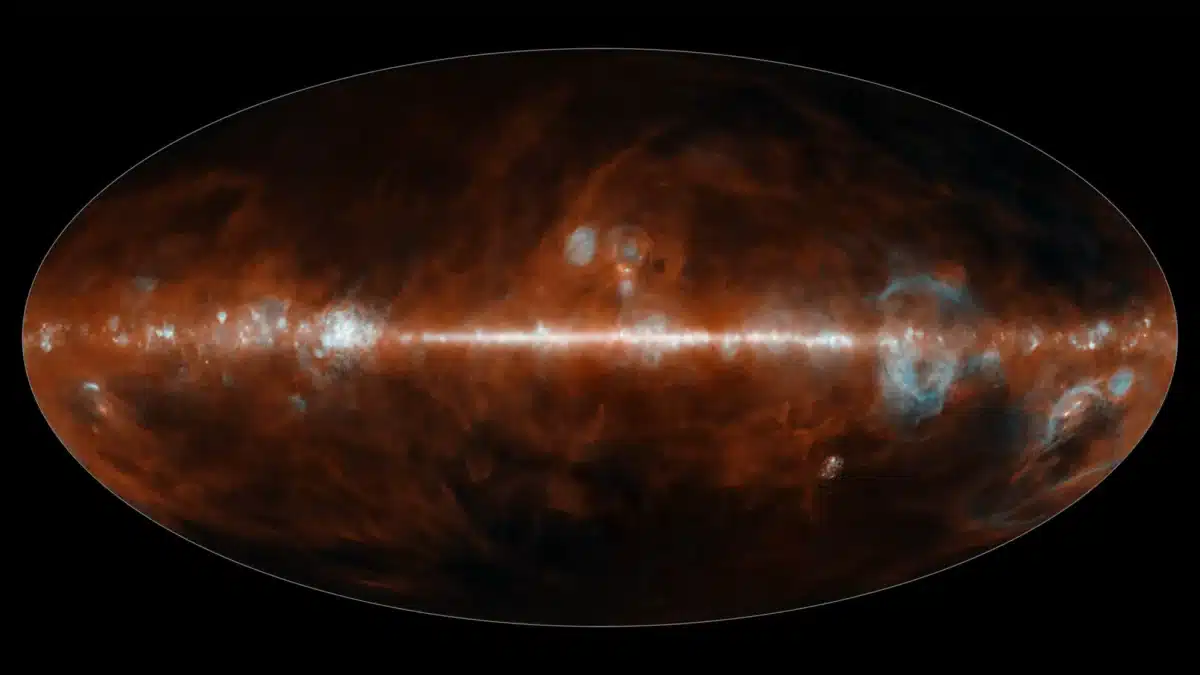 A 102-color map of the entire sky over Earth, as observed by SPHEREx. Credit: NASA/JPL-Caltech
What’s In Store For SPHEREx Next?
Although this first map marks a major accomplishment, the SPHEREx mission is just getting started. During its primary two-year mission, SPHEREx is expected to complete three additional all-sky scans. As the observatory continues its journey around Earth, it will collect even more data, which will be merged with the current map to create an even more detailed picture of the sky.
SPHEREx’s contributions to the field of astrophysics will undoubtedly have a lasting impact. As JPL Director Dave Gallagher put it, “SPHEREx is a mid-sized astrophysics mission delivering big science,” and as pointed out the U.S. Space Agency:
“Those measurements will offer insights into an event that took place in the first billionth of a trillionth of a trillionth of a second after the big bang.”