
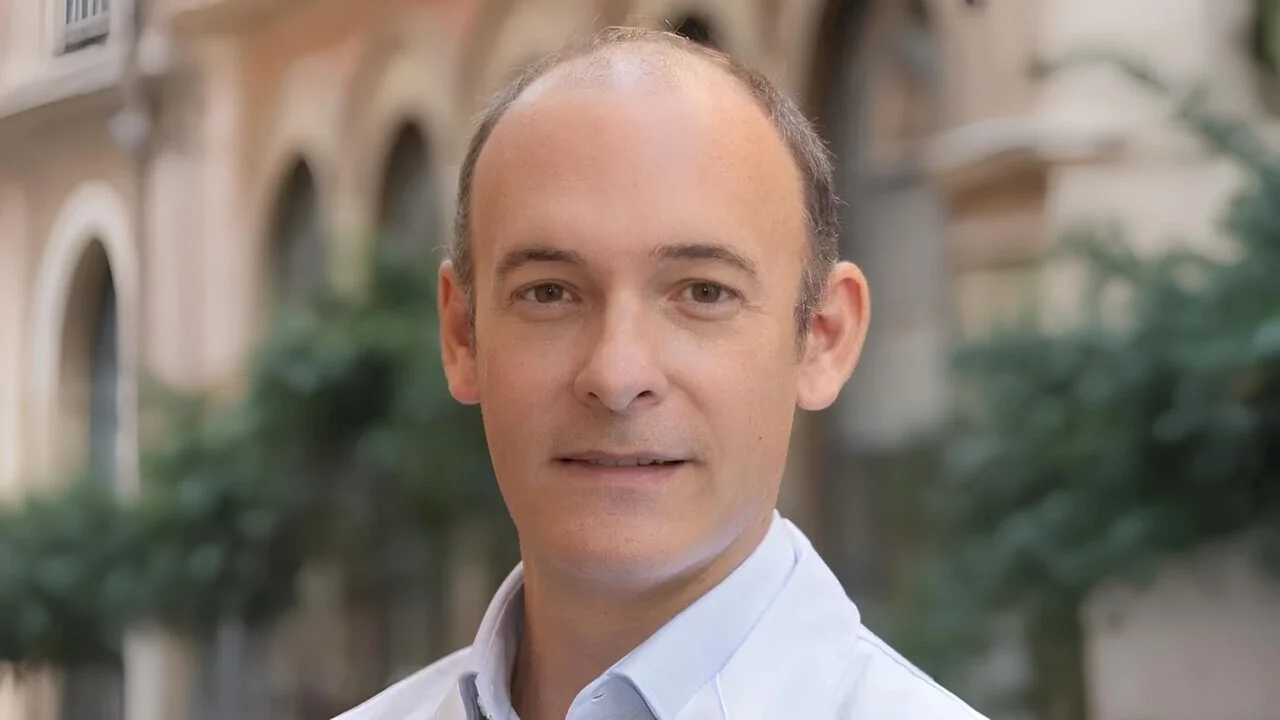
Aleix Prat, Director of the Clínic Barcelona Comprehensive Cancer Center at Barcelona Clinical Hospital, shared a post on LinkedIn:
“2025 has been a very special year for HER2DX
Looking back, it’s been quite striking to see how different pieces have come together to give a much more complete picture of what HER2DX captures and how it can be used.
In 2025, we contributed to 7 articles that, together, tell a coherent story:
A large individual patient-level meta-analysis (IPLM) of more than 2,500 patients validating the HER2DX risk score in early HER2-positive breast cancer. HER2DX pCR score was validated in a ILPM in 2023. Very few biomarkers meet this bar.
A prospective real-world study in routine practice in Spain, across 12 hospitals and 34 medical oncologists, showing that HER2DX actually changes clinical decisions and that the pCR score predicts pCR
A real-world analysis showing that HER2DX reflects both tumor and immune biology in daily care, and that no single pathological or immune variable can capture the same complexity on its own.
Specific analyses in populations that are often under-studied, such as older patients and inflammatory breast cancer
Extension of the HER2DX biology through the ERBB2 mRNA score in metastatic HER2-positive breast cancer
And finally, a study linking B-cell/plasma-cell infiltration and tertiary lymphoid structures, the immune axis embedded within HER2DX, to long-term recurrence-free “longevity” in breast cancer
We also presented 2 oral communications from the EA1181CompassHER2pCR trial led by ECOG-ACRIN Cancer Research Group National Cancer Institute (NCI):
At ASCO25, HER2DX pCR score predicted pCR independently of clinical–pathological variables.
At SABCS25, HER2DX pCR score outperformed TILs for predicting pCR.
For me, the main takeaway is that useful biomarkers come from repeatedly confronting biology with clinical reality, in different contexts, over time.
The choice now sits with payers, guideline committees, physicians, and patients: either we integrate well-validated decision-support biomarkers, or we accept practicing precision oncology with unnecessary uncertainty.
Very grateful to all the collaborators, clinicians, and, above all, the patients who made this possible.”
More posts featuring Aleix Prat on OncoDaily.