
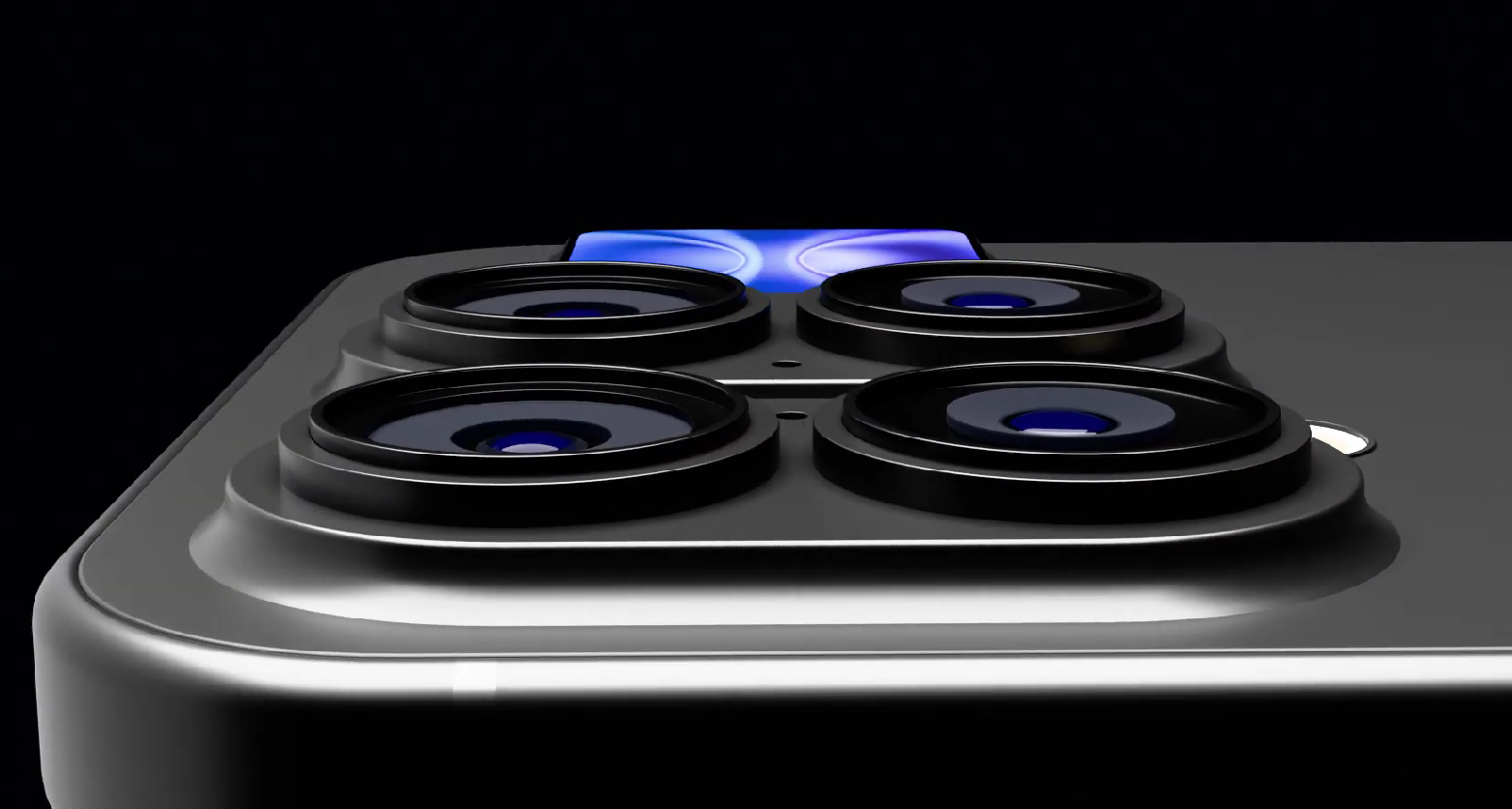
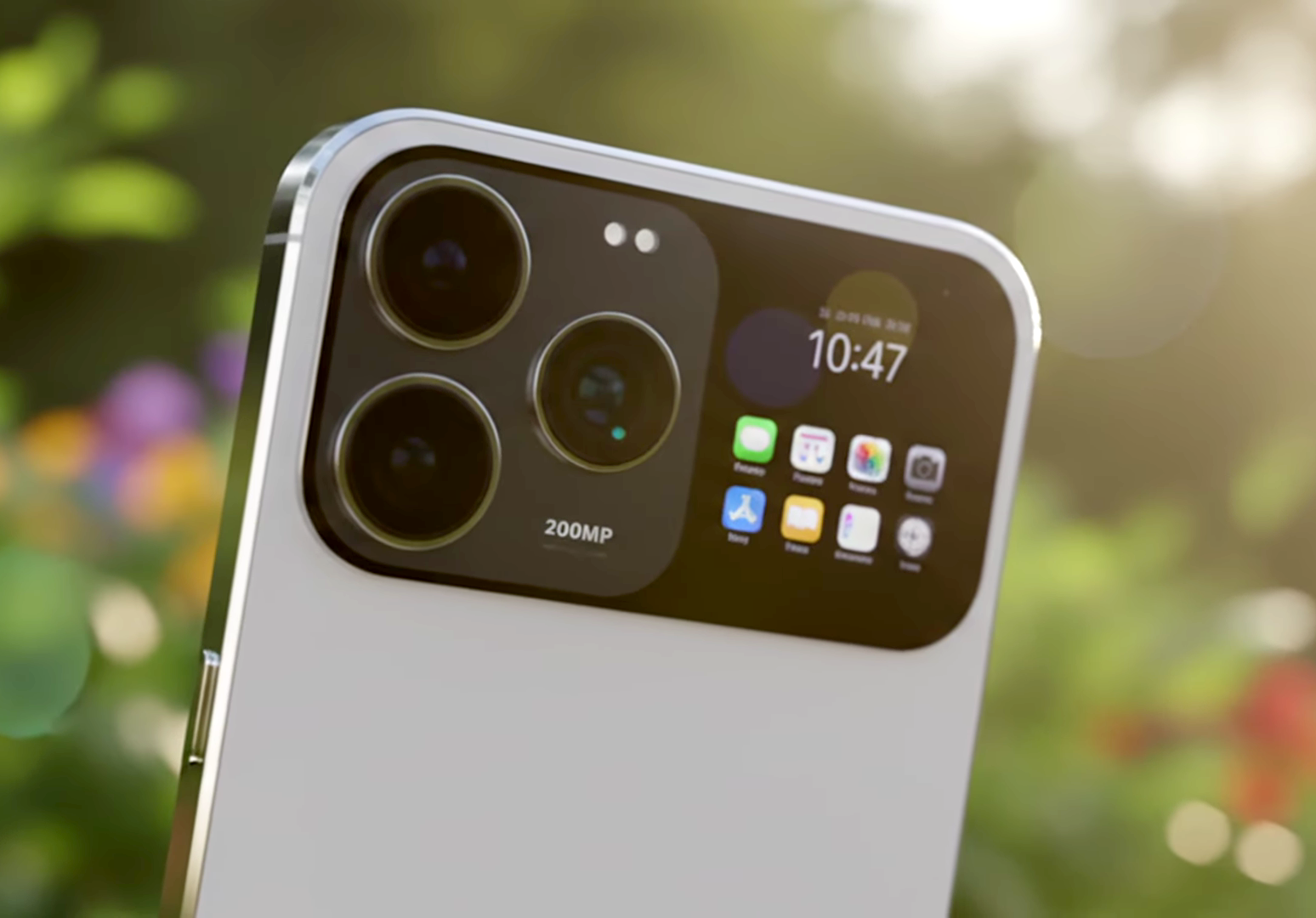
iPhone 18 Pro may use a triple-layer stacked sensor for faster processing and cleaner images. Concept photo: Vids 4u
The iPhone 18 Pro is expected to bring more than just performance and software upgrades – its camera system may become the standout feature, thanks to new sensor technology.
According to industry sources, Apple is preparing to use an advanced image sensor in at least one of the iPhone 18 Pro’s cameras, with production set to begin at Samsung’s factory in Austin, Texas.
Though not a new facility, the Austin plant has never produced camera sensors before. A report from The Elec claims Samsung is now equipping the factory with specialized tools to manufacture CMOS Image Sensors (CIS) specifically for Apple.
Recruitment notices for mechanical and electrical project managers were reportedly posted last week, signaling Samsung’s plan to get the production line up and running by March 2026 – in time to supply components for the iPhone 18 Pro, expected in the fall.
The sensor in question is rumored to employ wafer-to-wafer hybrid bonding, a process that stacks three separate wafer layers into a single sensor unit. This supports earlier speculation that Apple is shifting to triple-layer stacked image sensors, a design Samsung has used to secure the Apple contract.
Traditionally, Apple has relied almost exclusively on Sony for its camera sensors. If true, Samsung’s entry marks a strategic shift for Apple – one aimed at diversifying its supply chain and expanding its technological options.
A stacked sensor places the image processing circuitry directly behind the light-capturing element. This triple-layer configuration enables deeper integration of processing components, reducing latency and speeding up image data processing.
The benefits are clear: faster response in burst photography or high-speed video, better noise suppression, and superior light handling – all of which translate to sharper, more detailed photos under a wider range of conditions.
With the production timeline aligned and technology confirmed, it’s likely that the new sensor will first appear in iPhone 18 Pro and 18 Pro Max models.
Meanwhile, the standard iPhone 18 is expected to launch earlier – possibly in the spring – which makes it unlikely to receive the new sensor. Even if production aligns, Apple has a long-standing practice of introducing camera innovations in its Pro models first, before rolling them out to lower-tier models in later years.
If this plan goes ahead, it will be a rare instance of iPhone camera sensors being made in the United States – a significant milestone in Apple’s effort to diversify and localize its production chain.
Beyond reducing dependency on a single supplier, this also bolsters America’s semiconductor manufacturing presence amid growing global competition in the tech sector.
Hai Phong