
Exporters of apples, kiwifruit and wine are among the big winners from a free trade agreement between New Zealand and India with predictably limited access for Kiwi dairy exports.
Trade and Investment Minister Todd McClay has hailed the deal as a “once-in-a-generation agreement” – but New Zealand First has announced it will not back the deal, with party leader Winston Peters describing it as “neither free nor fair”.
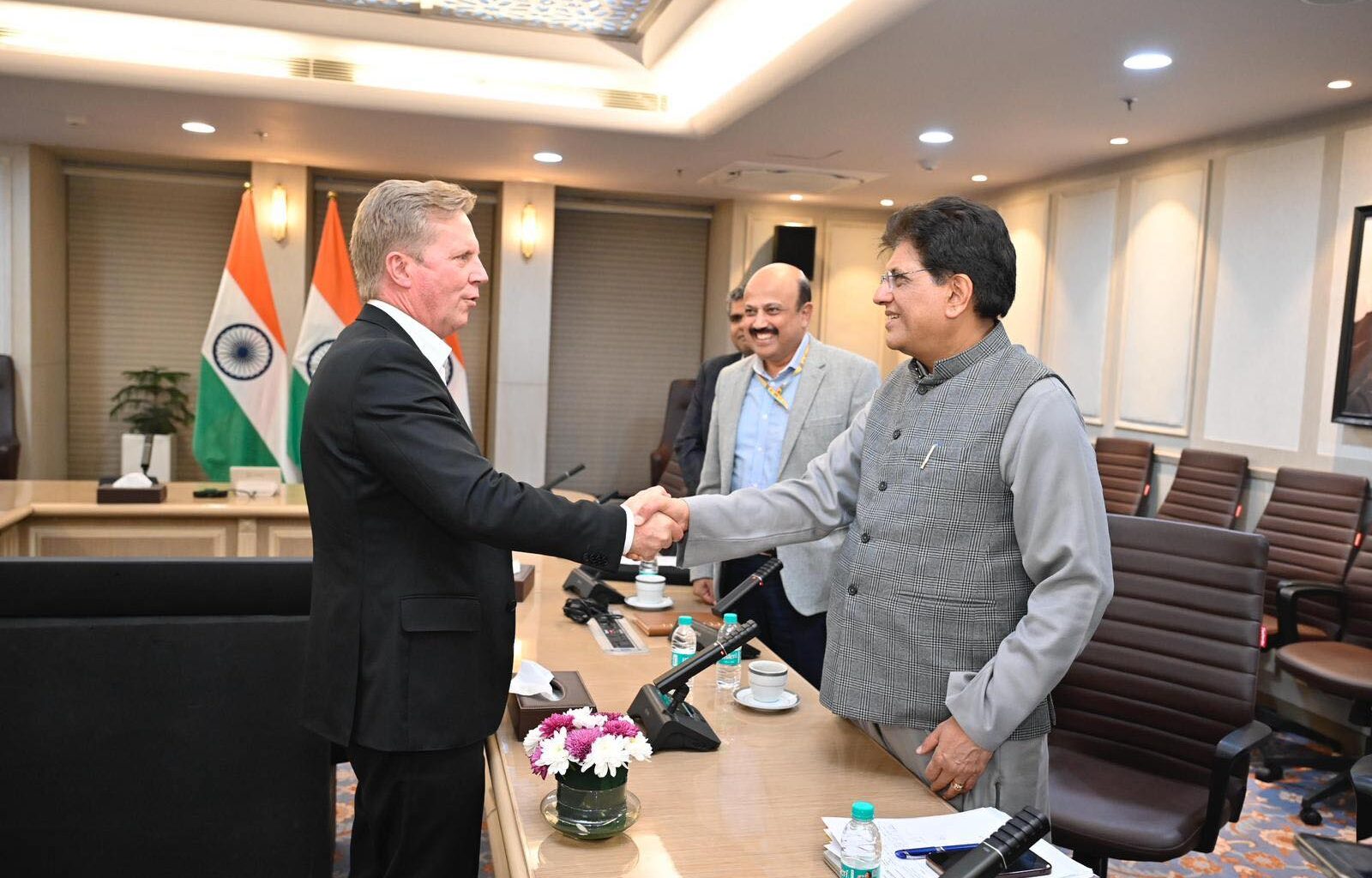
McClay and Prime Minister Christopher Luxon announced on Monday evening that the two countries had reached agreement on a final deal, following nine months of negotiations.
The trade minister said the “once-in-a-generation agreement creates opportunities New Zealand exporters have never had in India” and would deliver thousands of jobs, with the Indian economy forecast to grow to $12 trillion by 2030.
According to the Government, the deal will provide duty-free access on more than half of New Zealand’s exports from day one, rising to 82 percent within a decade.
Tariffs on sheep meat, wool and coal will be immediately eliminated, along with over 95 percent of forestry and wood exports.
Apples have been included in an India trade deal for the first time, with the existing 50 percent tariff cut in half for 32,500 tonnes of New Zealand exports from day one, with the quota rising to 45,000 tonnes over six years.
Kiwifruit exporters will also be given duty-free access, with the existing 33 percent tariff removed entirely on 6250 tonnes of produce from day one and the quota rising to 15,000 tonnes over six years.
Tariffs of as much as 150 percent on New Zealand wine will be lowered over a decade to either 25 or 50 percent, depending on the individual product’s value, with Indian officials committing to automatically extend any better deal they offer to other countries in a future trade deal.
As expected, there is little on offer for the dairy sector, long an area of sensitivity for Indian governments given the political influence of the country’s farmers.
Bulk infant formula and other “dairy-based food preparations” will have their 33 percent tariff eliminated over seven years, but staples like butter, cheese and milk powder will still have tariffs of between 30 and 60 percent in place.
However, India is obliged to consult with New Zealand if it makes any tariff concessions on dairy to a “comparable economy” in future, while the agreement as a whole will be reviewed one year after entering into force.
Indian businesses will also be allowed to import Kiwi dairy products and other food ingredients duty free to manufacture their own products for export.
New Zealand’s main concessions have come in the form of increased visa access for Indian nationals.
A new temporary employment entry scheme will provide visas for workers in occupations where New Zealand has a skills shortage (such as IT, engineering and specialised health services), as well as for “iconic Indian professions” such as music teachers, chefs and yoga instructors. Up to 5000 Indian workers will be able to reside in the country at any one time under the scheme, with the visas lasting for three years.
The trade deal also includes a working holiday scheme with up to 1000 places for young Indians, while eligible students who graduate from a New Zealand institution will be eligible for post-study work visas ranging from two years for Bachelors degrees to four years for PhDs.
Coalition partner New Zealand First has previously been critical of student work visas. Shortly after the announcement on Monday, Peters revealed his party had invoked the ‘agree to disagree’ provision in its coalition arrangements and had made clear it would vote against enabling legislation.
Peters said the trade deal was “neither free nor fair”, making too many concessions on immigration and not securing enough for New Zealanders.
“New Zealand First urged its coalition partner not to rush into concluding a low-quality deal with India, and to use all three years of this parliamentary cycle in order to get the best possible deal. We also indicated we felt it would be unwise for National to sign up to a deal with India when a parliamentary majority for that deal was uncertain.”
“Unfortunately, these pleas went unheeded. National preferred doing a quick, low-quality deal over doing the hard work necessary to get a fair deal that delivers for both New Zealanders and Indians.”
Peters said the deal would be New Zealand’s first trade agreement to exclude major dairy products like milk, cheese and butter – accounting for almost a third of the country’s total goods exports – and would tie the hands of future governments when it came to work rights for Indian students.
Labour Party trade spokesperson Damien O’Connor told Newsroom the party had not yet seen all the details of the trade agreement, and would need to hold caucus discussions before deciding whether to formally support the deal.
“On the face of it, we have to acknowledge that a trade agreement with India holds huge potential value, [but] different sectors will see it in different lights.”
O’Connor said the Government had benefited from the trade disruption caused by Donald Trump, as India looked to build relationships with a range of smaller nations to offset the impact of US tariffs.
Luxon hailed the deal as “an incredibly exciting opportunity for New Zealand exporters, with tariffs immediately removed on more than half of New Zealand’s current exports to India from day one”, and highlighted the Government’s efforts to build ties with their Indian counterparts.
“The result is a high-quality trade agreement with a trusted partner that will deliver deep and lasting benefits for New Zealand.”