
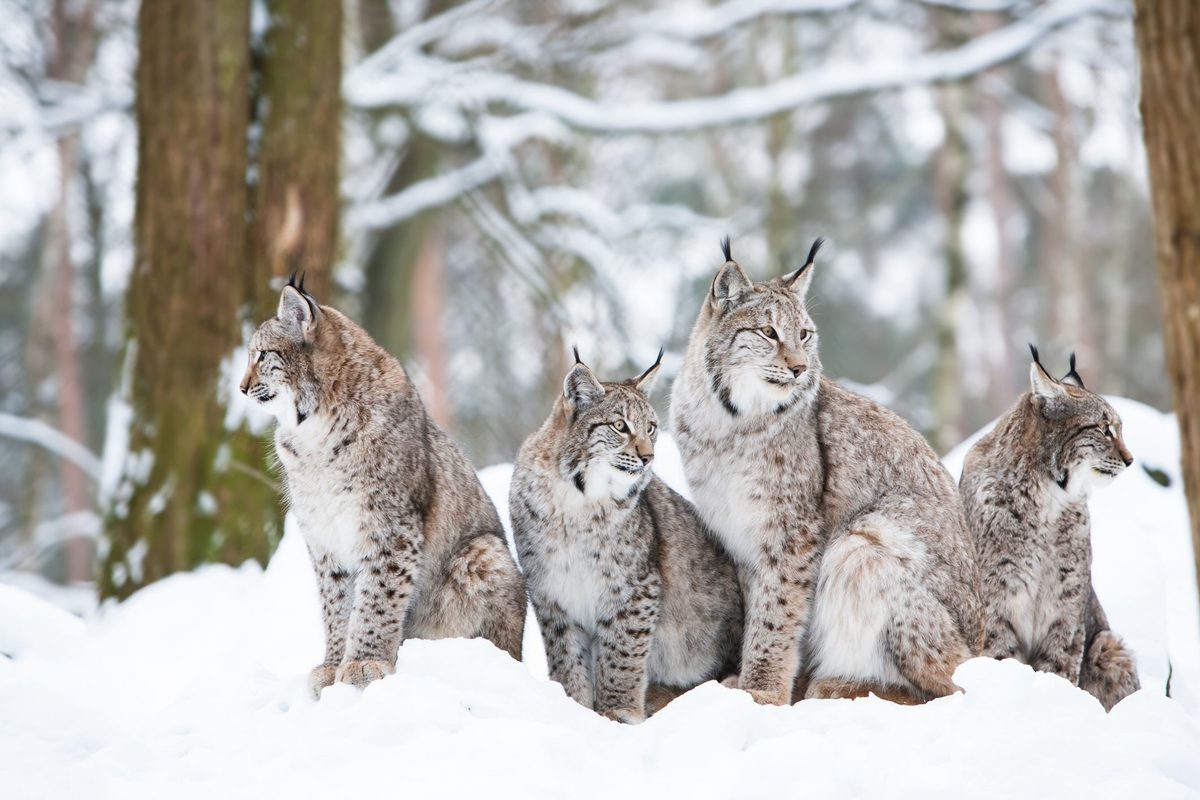
While the big cats often steal the spotlight, many smaller, elusive wild cats boast incredible beauty and fascinating adaptations.
Discover 10 of the most striking yet less-documented species, showcasing their unique appearances and behaviours that make them true treasures of the wild.
Most beautiful wild cat species
Ocelot
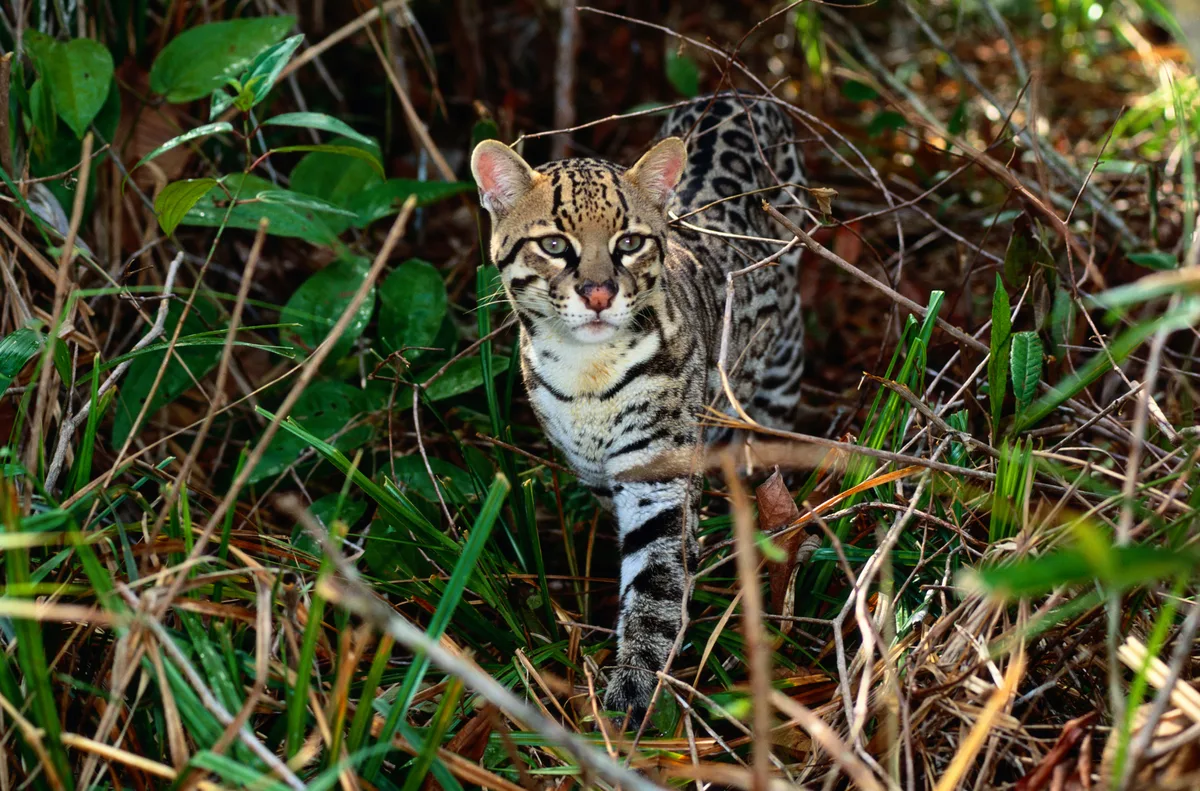 Once prized by the fashion world, the ocelot was relentlessly hunted for its beautifully patterned pelt. Credit: Getty Images
The ocelot (Leopardus pardalis) is a medium-sized wild cat with striking golden fur patterned in black rosettes and stripes. Found in South and Central America, it hunts small mammals, birds and reptiles, primarily at night. It is slightly larger than the margay (below), but spends less time climbing trees and is more powerful on the ground.
Caracal
One of Africa’s rarest wild cats, the caracal (Caracal caracal), is a striking feline with sleek, sandy-coloured fur, bold black stripes on its forehead and dramatic ear tufts. It has an elegant, fierce appearance that matches its hunting style. It is remarkably agile and can leap more than 4m in the air to catch prey. It is found in the Middle East and central Asia.
Margay
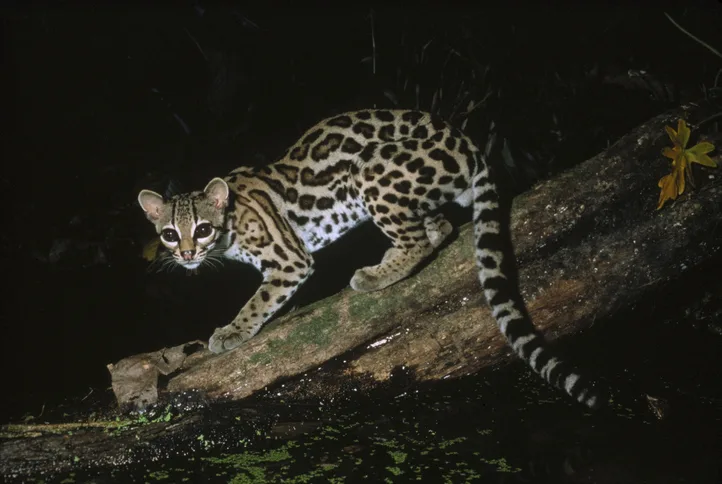 The margay is renowned for its expert tree-climbing skills. Credit: Getty Images
Margays (Leopardus wiedii) are agile wild cats with large, expressive brown eyes and tan coats marked by black rosettes. They are exceptional climbers, able to rotate their ankle joints nearly 180 degrees allowing them to descend trees headfirst and move with precision along high branches. Soft, padded paws and a long, counterbalancing tail give them remarkable stability.
They are native to Central and South American forests and spend much of their lives in the canopy, hunting birds, reptiles and small mammals
Sand cat
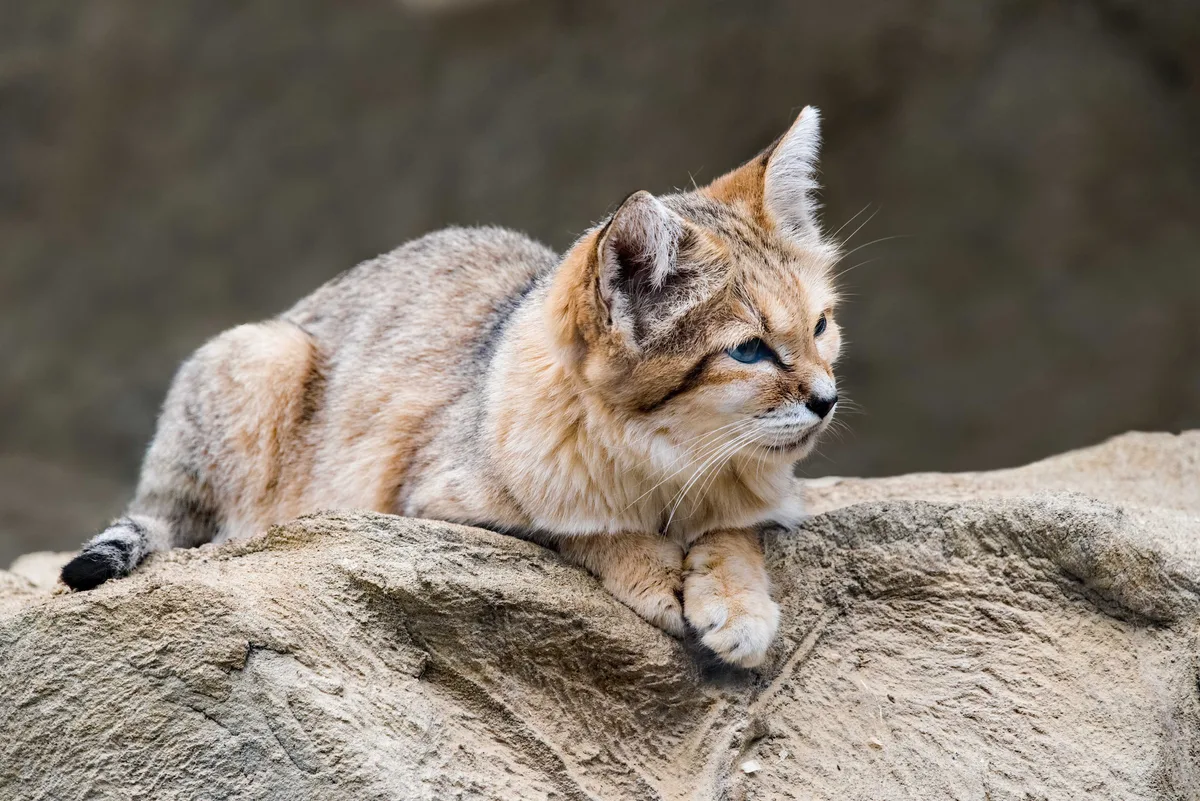 This resilient desert cat get all the water it needs from its prey. Credit: Getty Images
The sand cat (Felis margarita) is an enchanting desert dweller found in northern Africa, the Middle East and central Asia. Its soft-looking, sandy-coloured fur helps it perfectly blend into its arid surroundings. Its large, expressive eyes and tufted ears give it an endearing look. However, it’s a hardy survivor that thrives in extreme temperatures, hunting rodents, birds and reptiles at night.
Jaguarundi
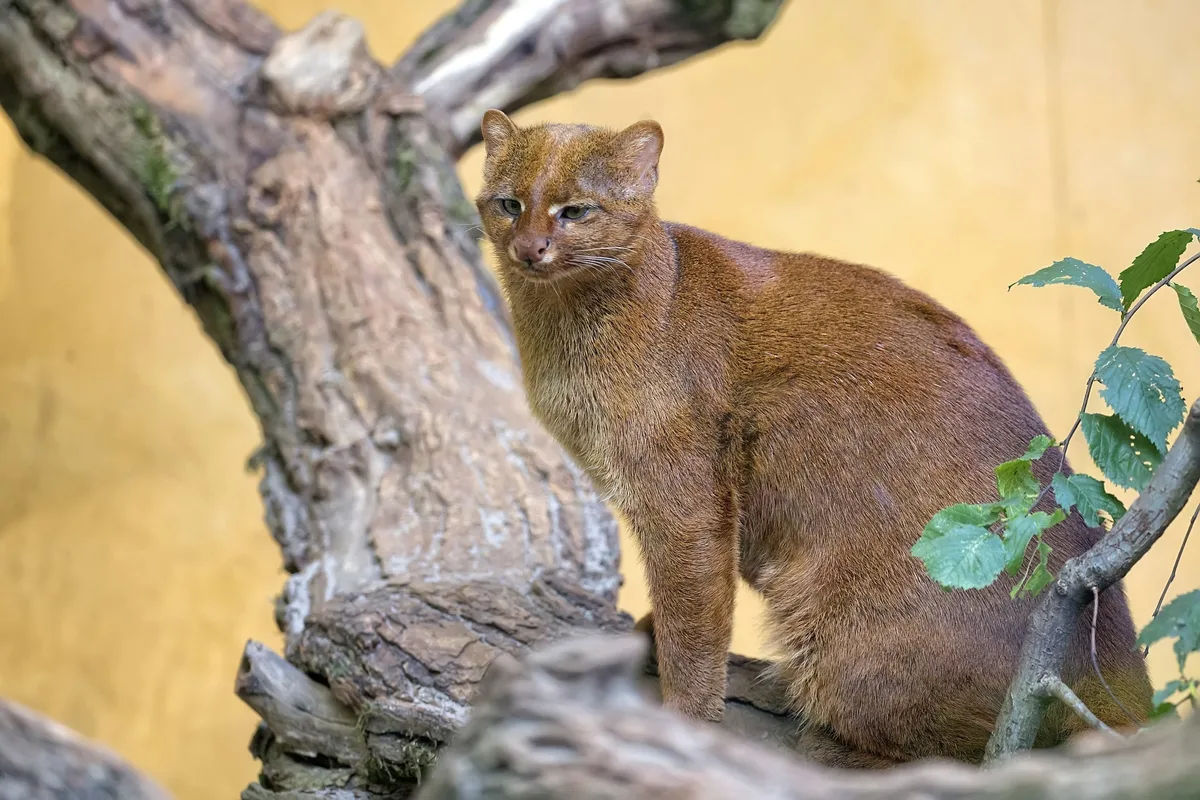 The Jaguarundi is an excellent swimmer. Credit: Getty Images
The jaguarundi (Puma yagouaroundi), sometimes known as the otter-cat, is a small feline noted for its otter-like appearance and swimming ability. It is sleek and long-bodied with short legs, small ears, and a long tail. Its coat is either reddish-brown or grey, and it hunts in forests and brush near water from South America to the southwestern US.
Puma
The puma (Puma concolor) is a graceful, powerful cat with a sleek, muscular body and tawny coat. Its long tail allows it to move with agility and its muscular back legs give it extraordinary power for jumping and running.
It is found across the Americas, from Canada to southern Chile, in forests, grasslands, mountains, and deserts. It has adapted to live in these diverse landscapes while remaining largely solitary and elusive.
Clouded leopard
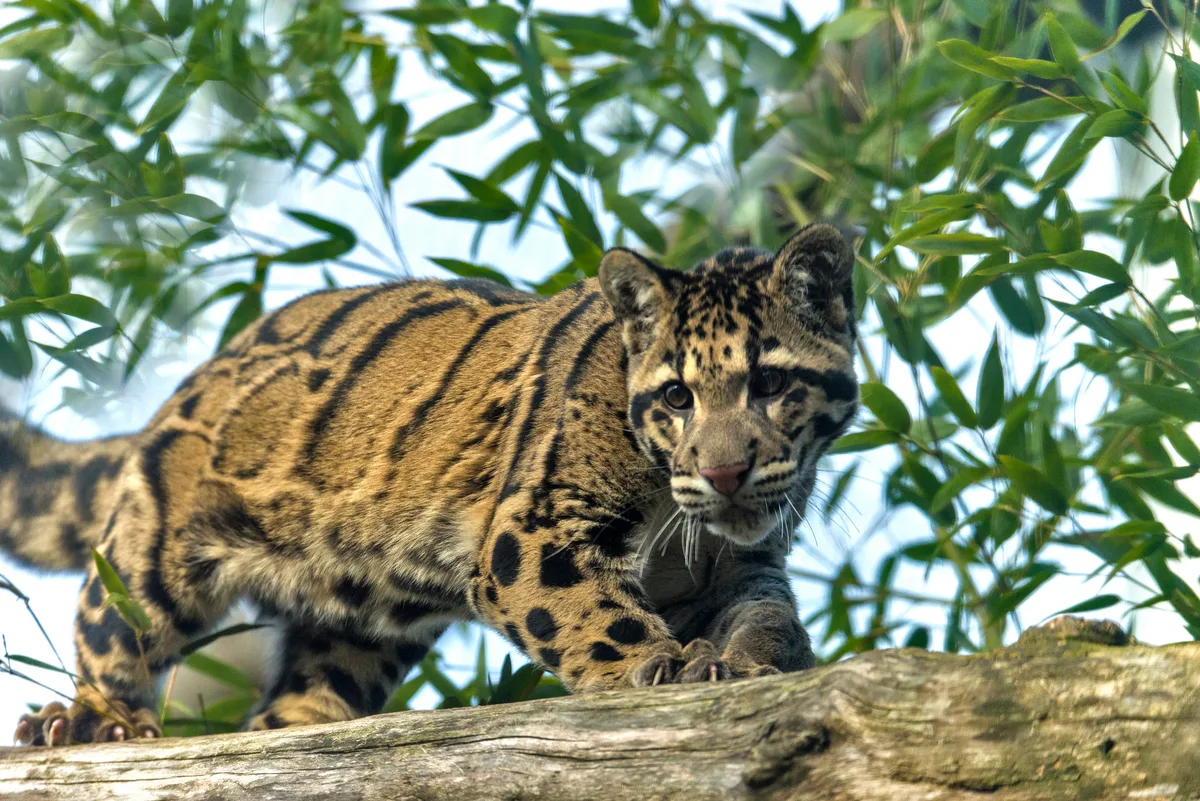 Clouded leopards still face threats from the illegal wildlife trade. Credit: Getty Images
The clouded leopard is a stunning wild cat with a sleek coat patterned in distinctive cloud-like blotches. it’s found in southeast Asian rainforests where it hunts primates, deer and birds with remarkable stealth. It’s a vulnerable species that faces threats from deforestation and poaching.
Canada lynx
Much like the three other species of lynx – Eurasian, Iberian and bobcat – the Canada lynx (Lynx canadensis) is a solitary wild cat identified by its tufted ears, ruffs of fur and short tail. It is built to survive the snowy wilderness, with snowshoe-like paws and a soft silver-grey coat.
Rusty spotted cat
The smallest feline in the world, the rusty spotted cat (Prionailurus rubiginosus), looks and sounds just like a kitten. Yet, what it lacks in size, it makes up for in daring and bravery. It has a solo existence and relies on its super senses – sight and hearing – to hunt small rodents, birds, lizards and frogs.
Black-footed cat
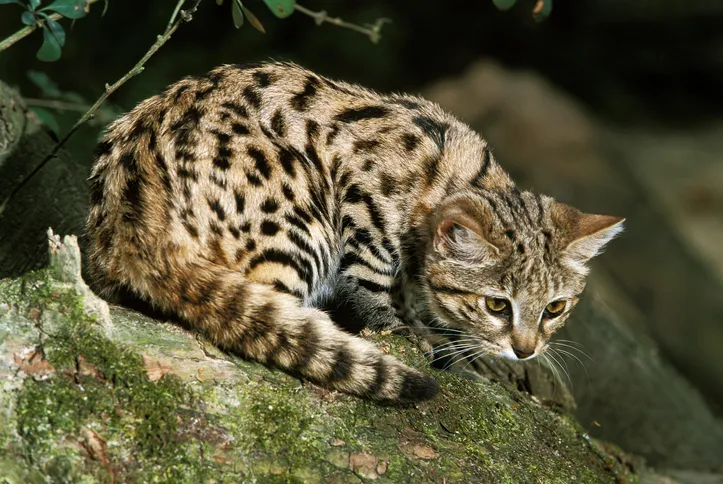 The feet of the black-footed cat are actually only black on the undersides and pads. Credit: Getty Images
The black-footed cat (Felis nigripes) is smaller than a domestic cat, with sandy fur that’s patterned with dark spots and stripes. It has large golden eyes, rounded ears and distinctive black markings on its feet and tail. It weighs up to just 2.5kg, the female even less, and is native to arid areas of South Africa, Namibia and Botswana.
Main image: Canada lynx family. Credit: Getty Images