
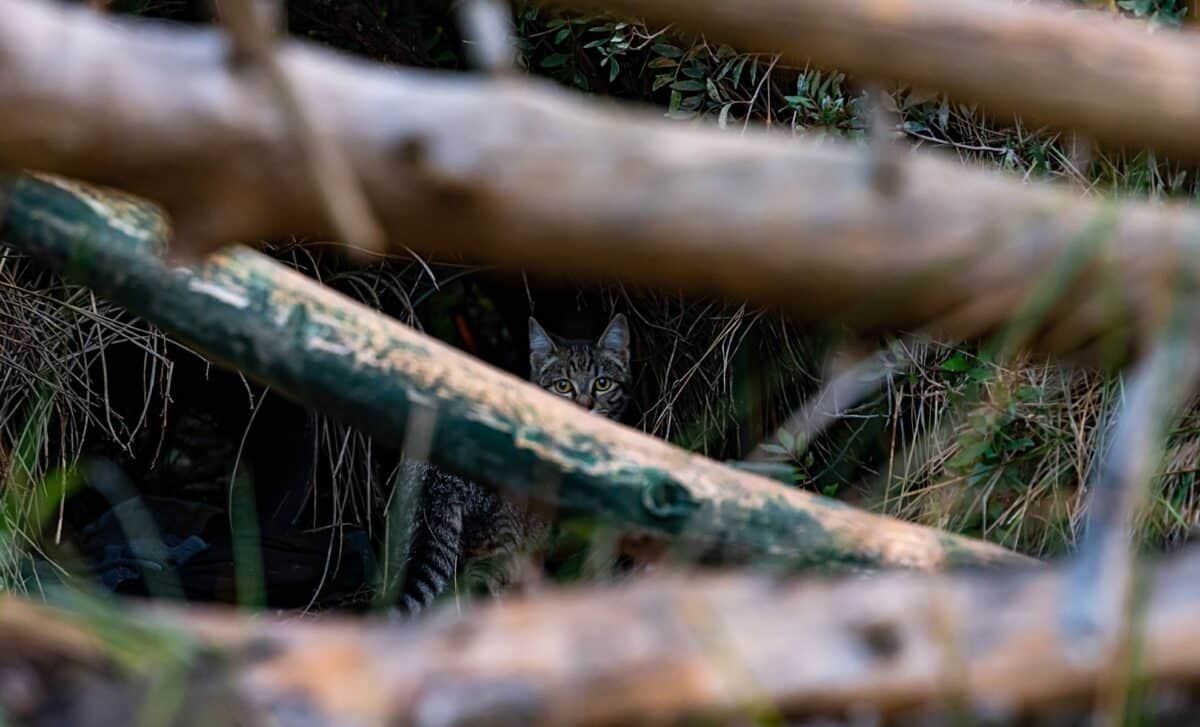
For almost 30 years, the flat-headed cat was thought to be extinct in Thailand. This rare and elusive feline, once considered a lost cause in the region, has now been caught on camera. The rediscovery, made possible through the use of camera traps, was a breakthrough moment that occurred in Thailand’s Princess Sirindhorn Wildlife Sanctuary in late 2024 and 2025, confirming that the species still roams the southern parts of the country.
This rediscovery is a big deal, theflat-headed cat (Prionailurus planiceps) is no ordinary feline. With its unique flattened forehead and specialized webbed feet, it is perfectly adapted to life in wetland habitats, where it hunts fish. The cat was long thought to be extinct after its last confirmed sighting in 1995. Yet, here we are, proof that even the rarest creatures can sometimes make a surprise comeback.
A Cat Built for Wetlands
The pictures, captured by camera traps set up by Panthera, an international organization focused on cat conservation, show the flat-headed cat in all its elusive glory. According to Thailand’s Minister of Natural Resources and Environment, Suchart Chomklin, the rediscovery marks a significant achievement in conservation efforts.
“For decades, the flat-headed cat has been classified as ‘likely extinct,’ but after years of sustained protection, strong scientific partnerships, and community stewardship, we can now celebrate its return to Thailand this National Wildlife Day,” he explained.
The flat-headed cat is also quite small, weighing in at about 4.4 pounds, less than your average domestic cat. And one of the most striking things about the flat-headed cat is its appearance. Its flattened forehead helps the cat swim and navigates its aquatic environment. With webbed feet, it’s an expert at wading through waterlogged forests, where it primarily hunts fish and other aquatic prey. Despite these unique traits, we still know very little about its behavior or lifestyle.
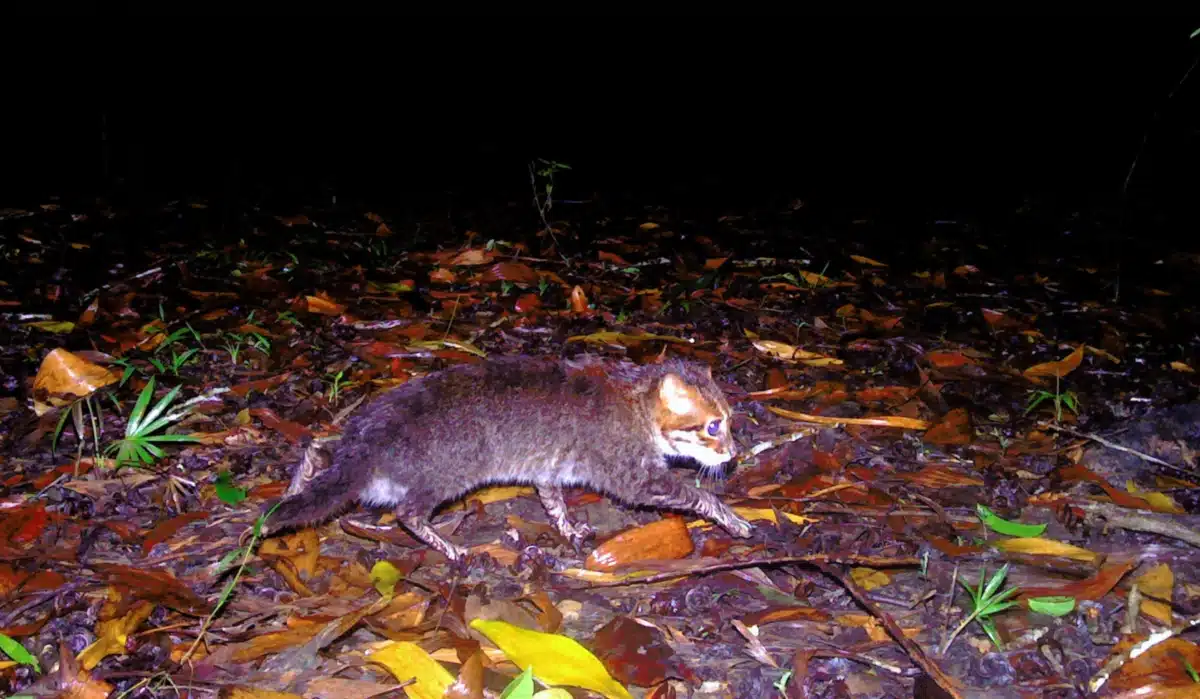 The mysterious flat-headed cat caught on a camera trap in its habitat. Credit: DNP/Panthera Thailand
Surviving the Inevitable
As noted by Live Science, the cat’s primary threat is the loss of its wetland habitats, due to human activities like deforestation, pollution, and overfishing. These habitats are crucial not just for the flat-headed cat but for many other species as well. Panthera’s camera traps, part of the largest-ever survey of the species, were set up to understand how many cats are left and to assess how much habitat remains for them.
Despite its critical status, the flat-headed cat has not been totally forgotten. The International Union for Conservation of Nature (IUCN) classified it as endangered back in 2014, a label that still holds today. Although the flat-headed cat has been elusive, the rediscovery raises the possibility that with more focused conservation efforts, its population could be stabilized. However, conservationists warn that without protecting the wetlands and forests in which the species lives, the future of the flat-headed cat remains uncertain.
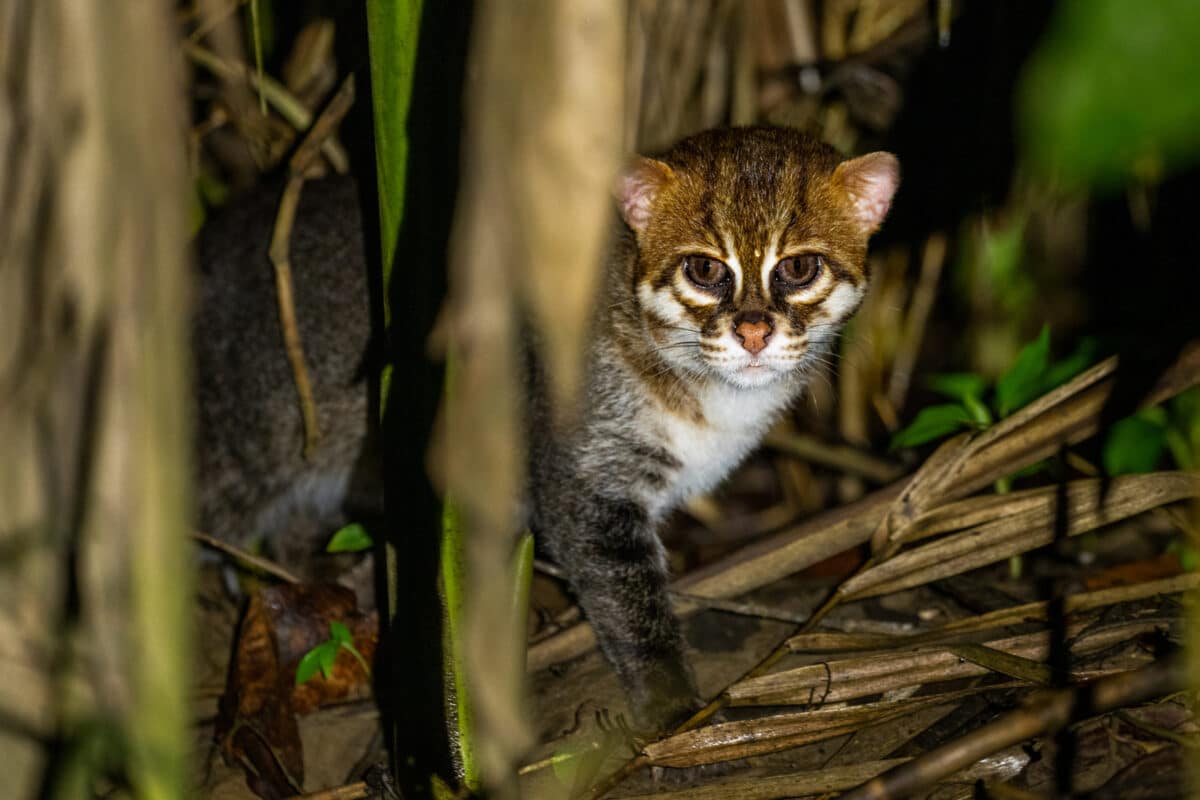 Elusive flat-headed cat. Credit: Sebastian Kennerknecht/Panthera
A Bright Spot in Conservation
When the news broke that the flat-headed cat had been spotted again in Thailand, it felt like a small victory in an often bleak field. This discovery was a positive sign, not just for the flat-headed cat but for all of Thailand’s endangered wildlife. Photographs showed not just solitary cats, but a female with a cub, suggesting that the species is successfully breeding in its natural habitat. For Wai Ming Wong, Panthera Small Cat Conservation Science Director:
“Even species thought to be lost can be rebuilt if we invest in protecting the habitats they depend on. Flat-headed cats’ persistence in Thailand suggests that these ecosystems still hold remarkable biodiversity but also underscores how urgently we must conserve and restore them before they vanish entirely.”