
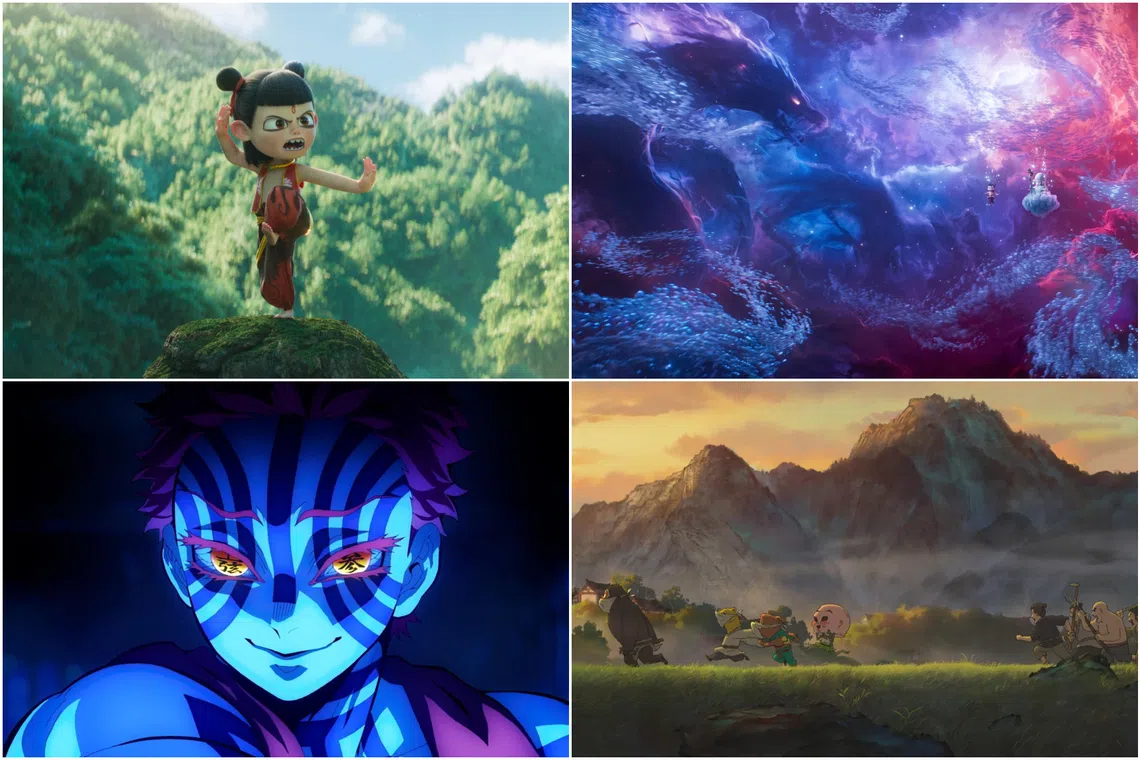
SINGAPORE – China and Japan might be at loggerheads politically right now, but earlier in 2025, their combined powers broke Hollywood’s grip on animation.
Ne Zha 2
, an adaptation of the folk tale Investiture Of The Gods, roared out of China to become the highest-grossing animated film of all time with its global take of more than US$2 billion (S$2.6 billion). It also took the crowns for being 2025’s highest-earning film and the highest-grossing non-English film in history.
In Singapore, it set the record for the highest first-day gross for a Chinese film by taking in around $300,000 upon its March 6 release. It went on to become the Republic’s most lucrative Chinese film by passing $6 million at the local box office.
Another Chinese animated film, Nobody, adapted from the fable Journey To The West, came along later in 2025 and became the highest-grossing Chinese 2D animated film of all time, with global earnings of US$225 million.
Some months later, Japanese anime Demon Slayer: Kimetsu No Yaiba – The Movie: Infinity Castle flexed its box-office muscle by earning more than US$600 million worldwide, becoming the highest-grossing Japanese film globally and one of 2025’s top earners in any category.
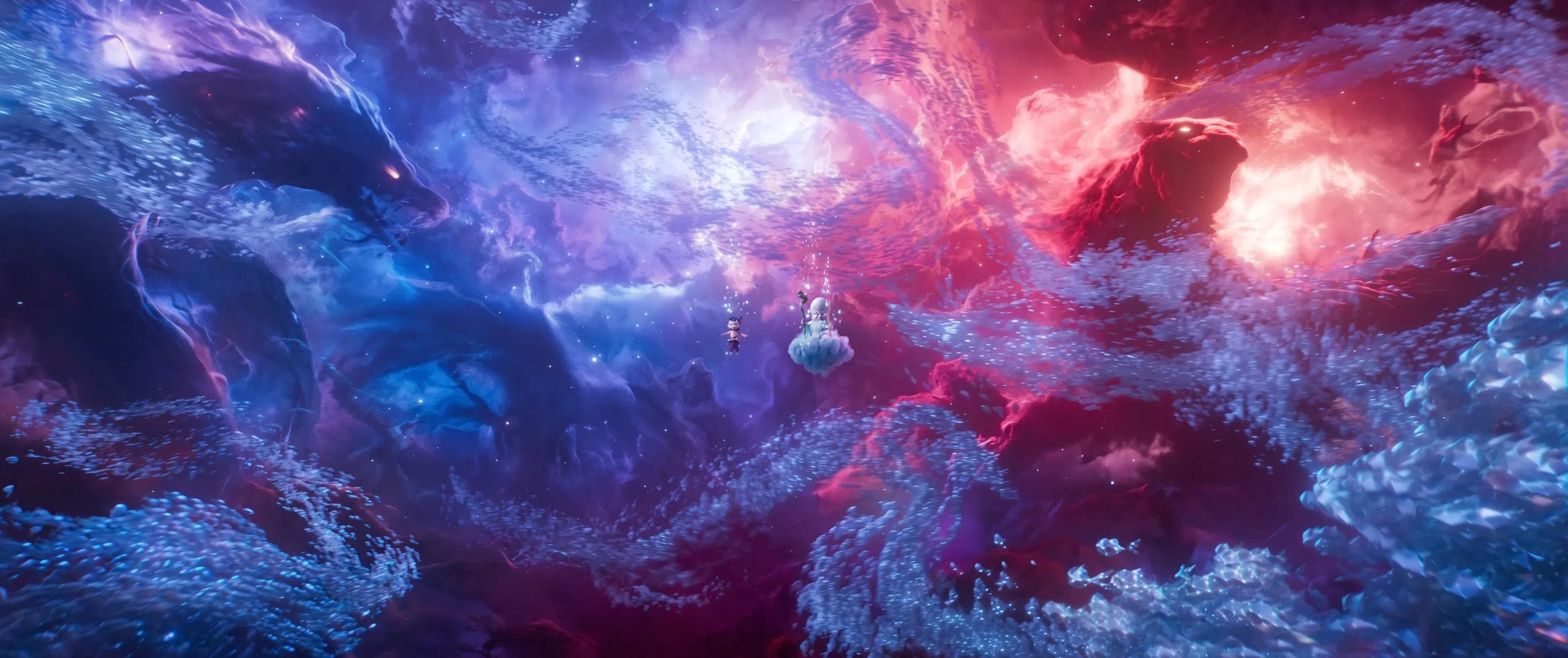
The Chinese epic fantasy Ne Zha 2’s bold 3D visuals helped make it the highest-grossing animated film of all time.
PHOTO: ENCORE FILMS
By October, Demon Slayer, the story of warriors battling inside a shape-shifting demon fortress, had grossed more than US$128 million in the United States and Canada. That surpassed martial arts fantasy Crouching Tiger, Hidden Dragon (2000) as the highest-grossing international film ever in that region.
By November, its global take of US$730 million made it the fifth highest-grossing film of 2025 internationally, ahead of once-invincible brand-name properties like superhero films Superman (US$616 million) and Fantastic Four: First Steps (US$521 million).
All three – Demon Slayer, Ne Zha 2 and Nobody – were not just commercial successes. They also won over critics globally with their bold visuals and fresh storytelling styles.
Some might argue that because a significant amount of the total gross takings for both films was earned in home markets – China and Japan – saying the films are culturally significant or a harbinger of things to come might be an overstatement.
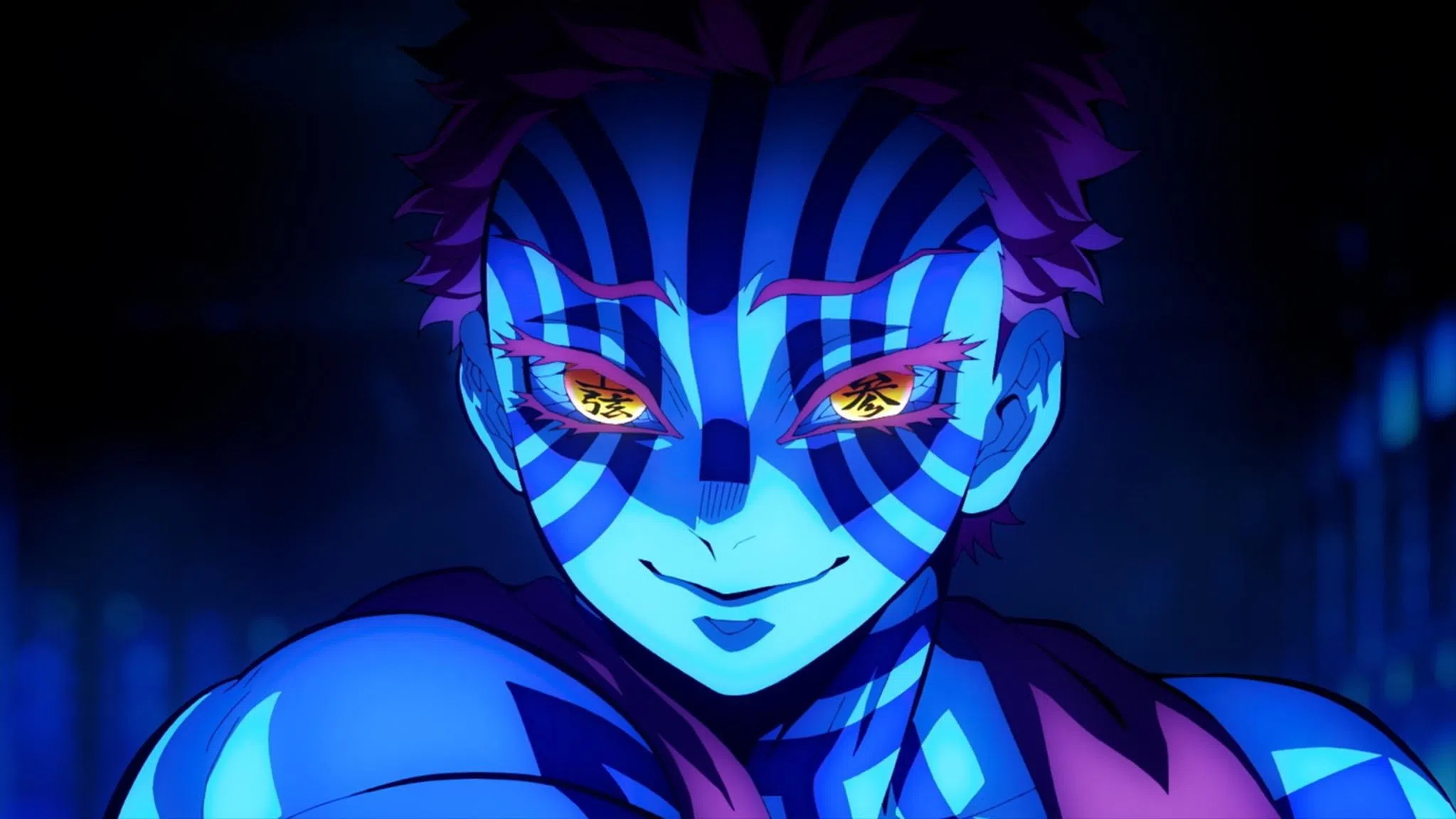
Demon Slayer: Kimetsu No Yaiba – The Movie: Infinity Castle broke the North American box-office record held by martial arts drama Crouching Tiger, Hidden Dragon.
PHOTO: SONY PICTURES
However, note that just a few years ago, no one thought that watching Asians sing or act in their native language would fly in the West, until the pop groups BTS and Blackpink and the Netflix series Squid Game (2021 to 2025) came along.
K-entertainment – the Hallyu wave – stormed the gates of the Hollywood-centric world only after gathering a fervent fan base at home, giving South Korean creators a solid base from which to win over audiences overseas.
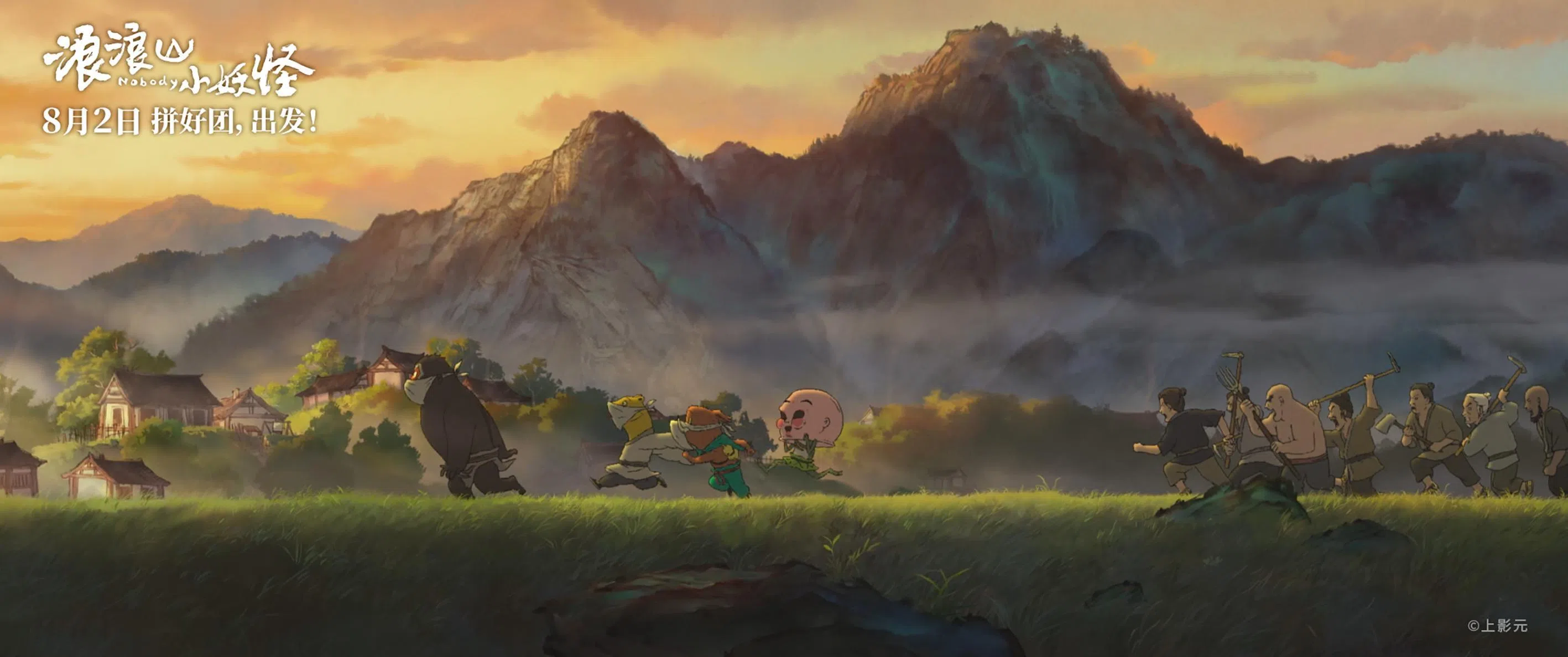
The Chinese animated comedy Nobody features a traditional watercolour painting style in its landscapes.
PHOTO: ENCORE FILMS
Western pundits have looked at the rise of Asian animation with fear and awe, akin to what American carmakers must have felt when the first Japanese and South Korean imports entered their home turf in the 1970s and 1980s.
To be sure, in 2025, Disney and Pixar took second and third positions on the global animation and animation-hybrid box-office charts, with animal comedy Zootopia 2 and the live-action remake Lilo & Stitch respectively, so they are sitting pretty.
The alien character Stitch is digital, so it counts as a hybrid film. Warner Bros’ A Minecraft Movie – itself non-original, being based on a video game – is an animation hybrid that pulled into fourth place.
Pixar’s big 2025 movie, the space comedy Elio, comes in at a dismal ninth place, behind China’s Nobody in eighth place. But note that Nobody was made on a budget – as the joke goes – that would not cover a team lunch at Pixar.
The outlook for 2026 and beyond can only look up for Asian animation. Like Asian cars, pop stars and streaming shows, the walls have been breached.
Unless Disney and Pixar start taking risks again, imports from China and Japan will pose such a challenge that the House of Mouse will be forced to wake up from sequel slumber.