

James Cameron’s epic sci-fi franchise, Avatar, continues to push the boundaries of cinematic innovation, with the recent release of Avatar: Fire and Ash marking the third installment in what is planned as a five-film series. The original Avatar revolutionized filmmaking in 2009 with its groundbreaking 3D visuals and motion-capture technology, grossing over $2.9 billion worldwide.
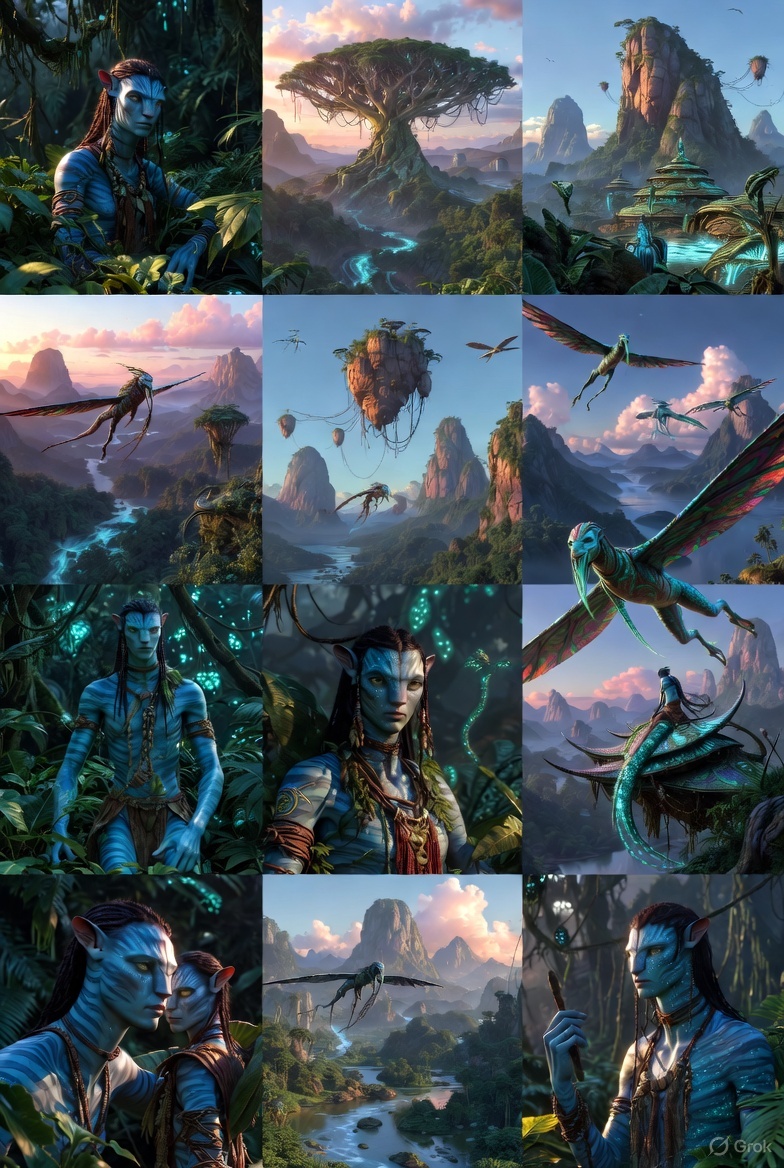 Fast-forward to 2022, and Avatar: The Way of Water recaptured that magic, earning $2.3 billion despite pandemic challenges.
Now, as of December 19, 2025, Avatar: Fire and Ash has hit theaters, exploring new clans and elemental themes on Pandora, with Jake Sully and Neytiri facing fresh threats from human invaders.
The saga isn’t slowing down: Avatar 4 is slated for December 21, 2029, and Avatar 5 for December 19, 2031, potentially wrapping up the Na’vi’s story arc.
At 71 years old, Cameron has been candid about the toll of these massive productions, each taking years to complete due to intricate visual effects and underwater filming techniques.
In recent interviews promoting Fire and Ash, he’s expressed a desire to accelerate the process without sacrificing quality, eyeing artificial intelligence as a potential game-changer. “We need to use it ethically,” Cameron told Deadline, emphasizing AI’s role in streamlining workflows rather than replacing human elements.
He joined the board of Stability AI in September 2024, a move that positions him at the forefront of generative AI tools for visual effects. Stability AI, known for its Stable Diffusion image-generation model, aims to democratize creative tools, and Cameron’s involvement stems from his history of pioneering tech – from CGI in The Abyss (1989) to the virtual production in Avatar. He views AI as a way to “cut the cost” of filmmaking, potentially freeing him to tackle new projects beyond Pandora.
However, Cameron draws a firm line: AI should not supplant actors or the human essence of storytelling. In a SAG-AFTRA interview, he stressed the importance of preserving the director-actor bond, calling generative AI “horrifying” if it undermines authentic performances.
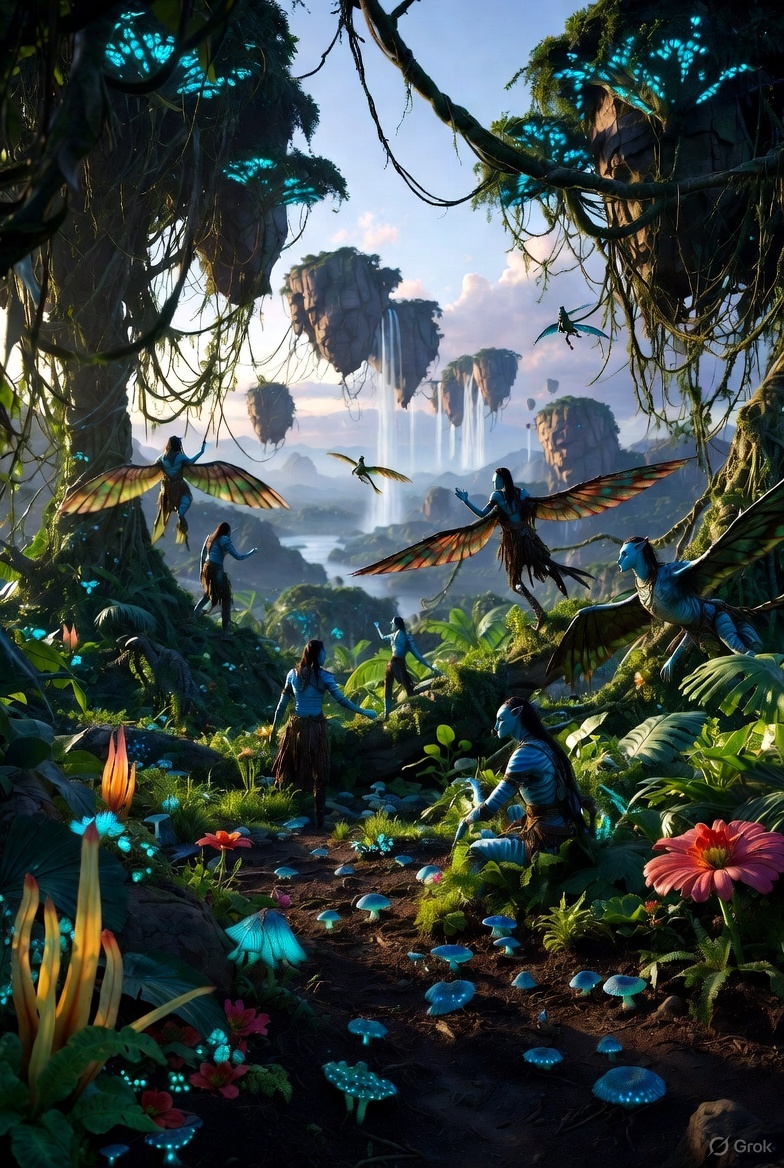 Current AI tools, he argues, are suited for social media content but fall short of Hollywood standards, lacking the nuance needed for blockbuster narratives. “Avatar uses zero generative AI,” he revealed in a recent discussion, opting instead for traditional motion-capture to capture actors’ subtleties. This stance echoes broader industry concerns, especially post-2023 SAG-AFTRA strikes that addressed AI protections.
Cameron’s foray into AI isn’t isolated. Actor Tye Sheridan (known for Ready Player One) co-founded Wonder Dynamics in 2021, an AI-driven VFX startup that automates character animation and cuts production costs. Backed by investors like Steven Spielberg, Joe Russo, Epic Games, and Samsung, the company raised $9 million in a Series A round and was acquired by Autodesk in 2024.
Wonder Dynamics’ tools have enabled indie filmmakers to achieve high-end effects on smaller budgets, much like Cameron’s vision for AI in big-studio workflows. Spielberg’s involvement highlights how industry titans are betting on AI to democratize VFX, potentially inspiring Cameron to launch his own venture if Stability AI doesn’t fully align with his goals.
Yet, for all its visual splendor, the Avatar series has drawn criticism for repetitive storytelling. The first film was a cultural phenomenon, viewed repeatedly in IMAX and standard theaters, leaving audiences awestruck by Pandora’s bioluminescent wonders. The sequel, released amid COVID restrictions, impressed visually but felt dated—like a story that should have arrived closer to 2011.
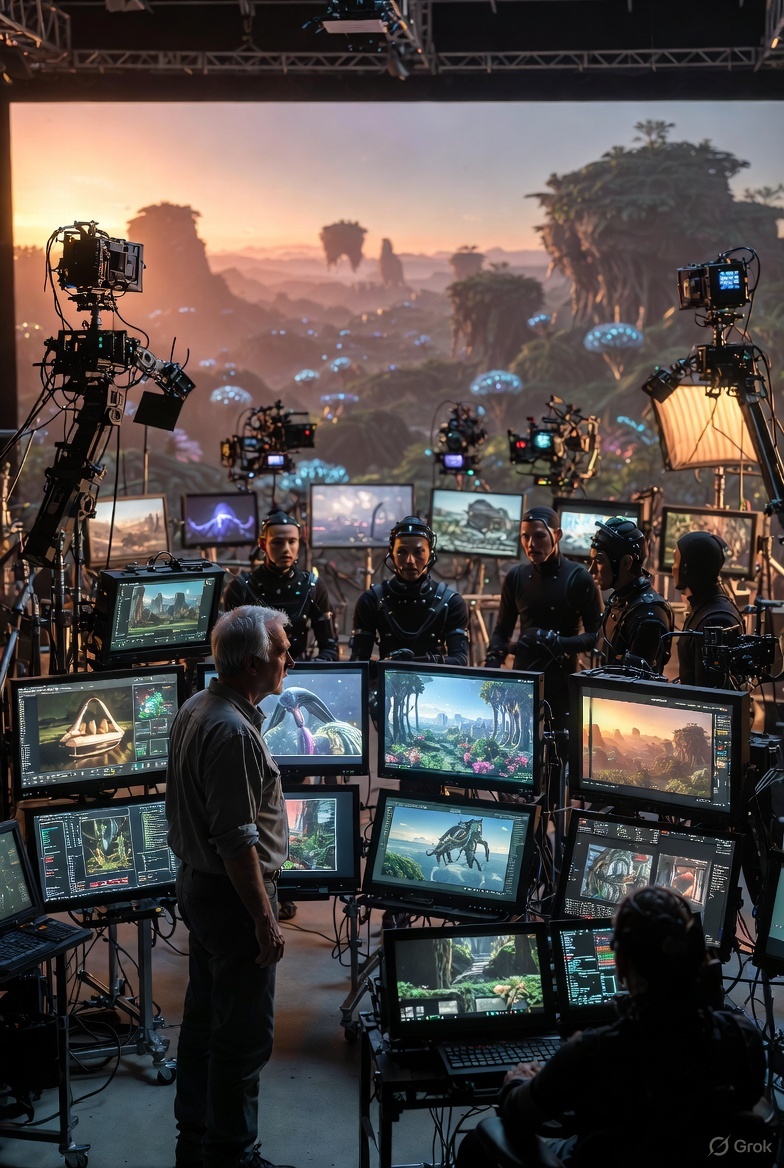 Its plot recycled familiar tropes of environmentalism and colonialism, prioritizing spectacle over depth. Early reviews of Fire and Ash suggest a similar pattern: stunning visuals of new biomes and fire-based clans, but a narrative that treads familiar ground without bold evolution.
Cameron himself seems aware of the franchise fatigue. With roughly eight years until the saga’s end, he’s hinted at wanting to pivot to fresh stories – perhaps revisiting sci-fi roots like The Terminator or exploring new genres.
As he told The Hollywood Reporter, the grind of Avatar sequels has him rethinking his legacy: “I don’t want to spend the next decade just on this.” AI could be the key to unlocking that freedom, allowing faster iterations without losing the human touch that defines his work.
In an era where AI blurs the line between creation and automation, Cameron’s balanced approach – embracing tech while safeguarding artistry – could set a precedent.
But for fans craving innovation, the real question is: Will he break free from Pandora’s orbit to deliver the groundbreaking tales that made him a legend? Only time, and perhaps a few AI-assisted scripts, will tell.
Also read:
Thank you!