
5 2018–present South Africa
Everything shifted when Rassie Erasmus took charge. Results improved quickly, but more importantly, belief returned. Siya Kolisi’s appointment as captain signalled a broader change in tone and leadership. The Springboks rebuilt around defence, power, and clarity, rather than constant reinvention.
The 2019 World Cup win confirmed the direction, with a dominant final performance against England. Then came disruption, long absences, and renewed scrutiny, all handled with composure. By 2023, this group had perfected winning under stress. Narrow victories over France, England, and New Zealand showed nerve and tactical trust, especially in the use of the “Bomb Squad” forwards.
4 1987–1990 All Blacks
The All Blacks entered the first World Cup with pressure they had never faced before. Hosting brought expectation, but they responded with authority. The 1987 tournament was controlled from start to finish, conceding few points and scoring freely. Winning the final against France felt inevitable rather than dramatic. What followed mattered just as much.
Over the next three years, New Zealand went on a long unbeaten run that reinforced their status as rugby’s benchmark. This was a side built on accuracy and calm dominance rather than spectacle. The foundations of modern All Black culture were laid here: consistency, clarity, and an insistence on standards.
3 1970s Wales
For a decade, Welsh rugby felt untouchable. Between the late 1960s and the end of the 1970s, Wales lost remarkably few matches and set the tone for northern hemisphere rugby. The players were iconic, but it was how they functioned together that mattered most. Continuity was key, often using the same small group of players across entire championships.
They won multiple Grand Slams, dominated rivals, and supplied the backbone of the only Lions side to beat New Zealand. Even their defeats were tightly contested, often controversial. Matches at Cardiff Arms Park carried a sense of inevitability.
2 2011–2015 All Blacks
Redemption defined this All Blacks side. Winning the 2011 World Cup ended years of doubt, but it was what followed that elevated them into history. Under Steve Hansen, they refined an already strong culture into something almost self-sustaining. They went unbeaten for entire seasons, dominated the Rugby Championship, and handled transition without losing edge.
By 2015, the team combined experience with athleticism and adaptability. The knockout matches in that World Cup were decisive rather than dramatic, culminating in a commanding final win over Australia. Retaining the title set them apart from every previous champion.
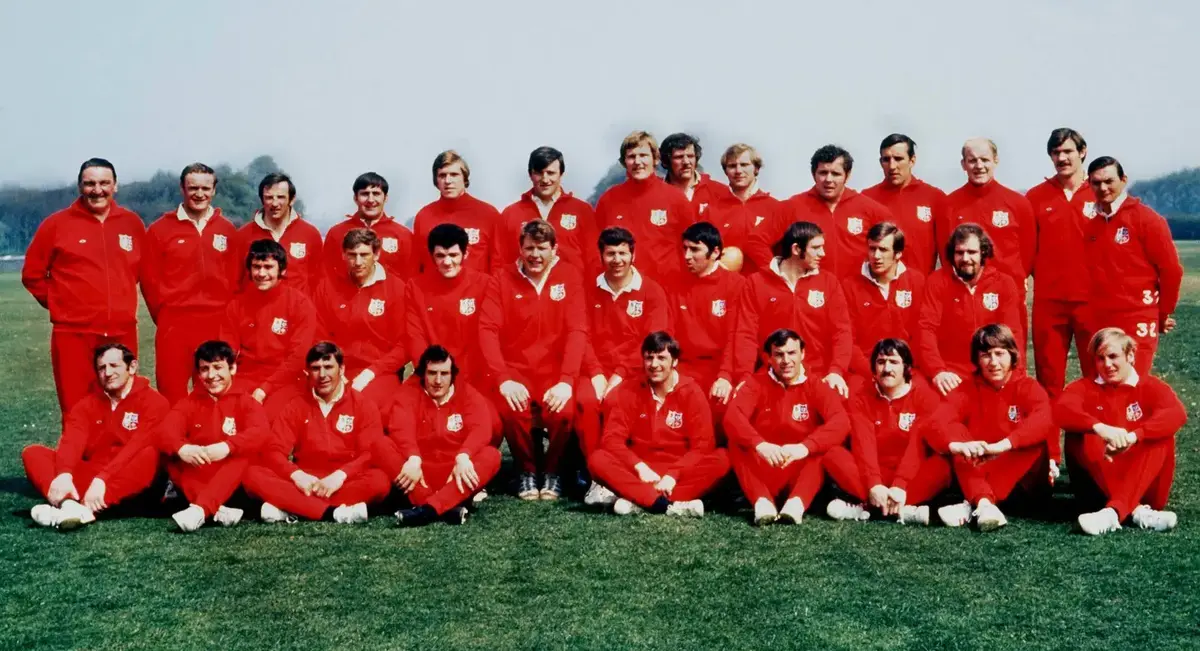
1 1971 British & Irish Lions
No touring side has faced a bigger mental barrier than this one. The Lions had never won a Test series in New Zealand, and few thought that would change. Early confidence nearly cost them after the opening win, but the response was decisive. They adapted, tightened their approach, and trusted their skill under pressure.
The series ebbed and flowed, reaching its climax in Auckland, where J. P. R. Williams’ drop goal settled the contest. Drawing the final Test was enough to secure history. Unlike later tours, this All Black team was fully active and formidable.
Like this:
Like Loading…