
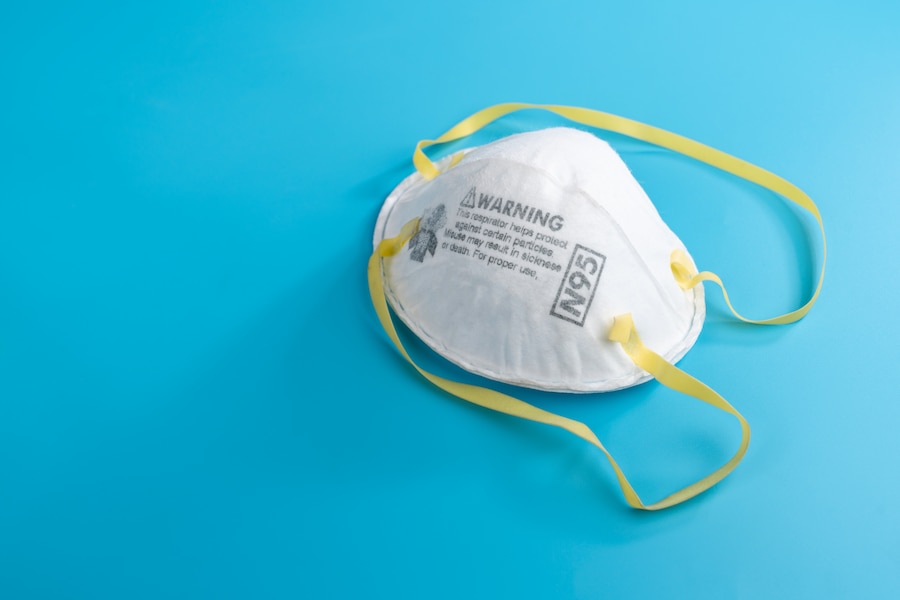
Experts warned amid the holiday season that fewer vaccinations and a new influenza variant swarming the region could make for a miserable Maryland flu season, with cases rising over the next six to eight weeks.
It seems their predictions are coming to pass and propelling new guidelines for masking in areas across the state.
For the week ending Dec. 27, which is the most recent data, respiratory illness activity in Maryland was considered high. That week, more than 4,400 people visited emergency departments, urgent cares and hospitals for respiratory illnesses. About 34% of people who visited clinics for respiratory illness tests walked away with positive results, mostly with influenza A.
On Dec. 23, University of Maryland Medical System officials announced it would require people visiting patients in the hospital to wear masks while in contact with them, especially if they have respiratory illness symptoms.
Montgomery County health officials warned health care centers may ask patients and visitors to wear masks and have longer-than-normal wait times.
“We are entering a period of high viral respiratory illness in the community, and our health care systems are feeling the impact,” Montgomery County Health Officer Kisha Davis said in a news release. “If you are sick, the best thing you can do is stay home and limit contact with others until your symptoms improve. When you must be around others, wearing a mask and practicing diligent handwashing are simple but powerful ways to protect those around you.”
Since September, there have been over 1,900 Marylanders hospitalized and seven dead from respiratory illnesses, state data shows. Officials warn flu cases are seemingly increasing, and experts attribute that to falling vaccination rates and a flu variant known as subclade K that has been driving most current cases.
Officials are likely on edge following last year’s treacherous flu season. For the 2024-25 flu season, Maryland recorded 215 influenza-associated deaths among adults and seven among children.
Experts recommend keeping children hydrated, keeping them home while they are sick and using acetaminophen and ibuprofen for high fevers. Experts suggest taking them to the emergency room only if fevers worsen and difficulty breathing or other conditions arise.