
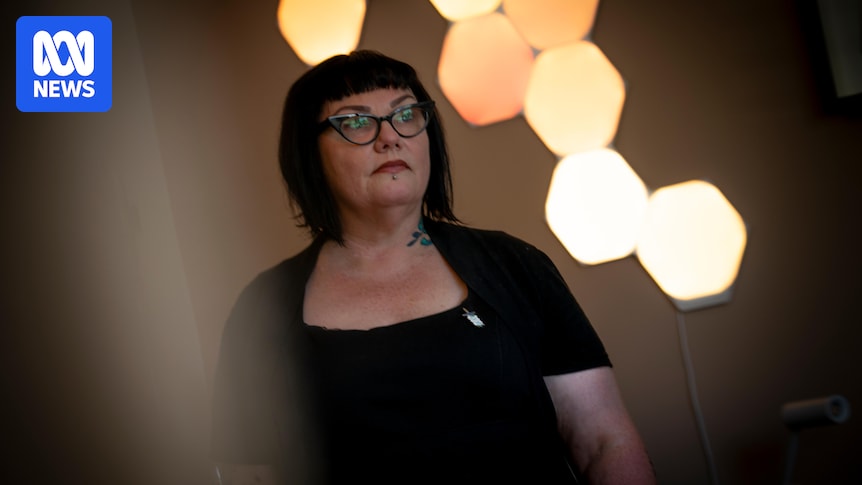
At times, LJ finds herself struggling to find the right words.
Sometimes her memory feels so bad, she says she copes with it by making fun of herself.
“I would semi-joke with my sister, like have I got a brain tumour, have I got Alzheimer’s?”
Yet there was one link LJ never made.
In recent years, there have been significant advancements and national debates around the awareness and treatment of sports-related concussions.
But less often discussed — and studied — are the chronic impacts of repeated concussions and strangulation among women who have experienced intimate-partner violence.
Now, an Australian-first study has found evidence of previously undetected, long-term memory and learning difficulties amongst this cohort.
The peer-reviewed study, led by Monash University researchers and published in the Journal of Neurotrauma, was based on comparative cognitive assessments of 146 women, comparing a group of healthy controls with a cohort who had experienced partner violence more than six months earlier.
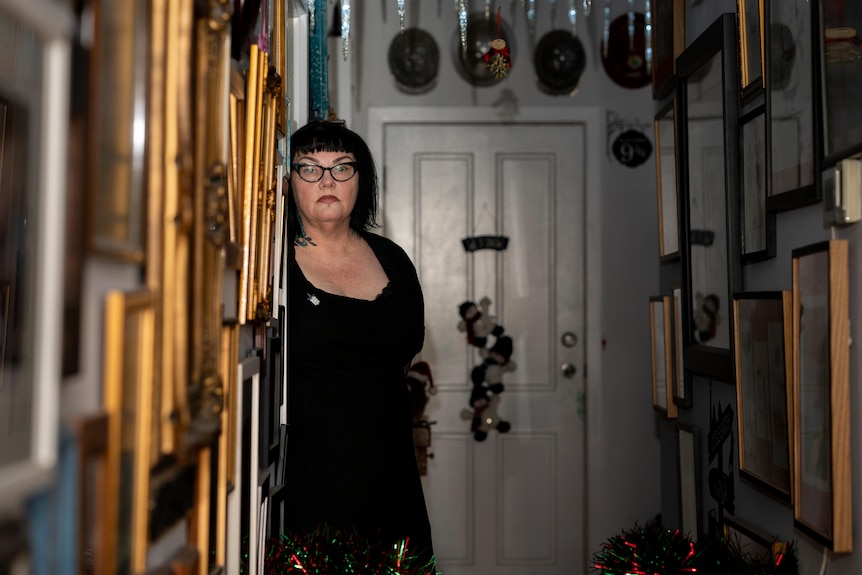
It’s been more than a decade since LJ experienced partner violence but she believes the impact on her memory is ongoing. (ABC News: Danielle Bonica)
LJ, a 51-year-old survivor of partner violence who participated in the study, said she felt the research provided an explanation for memory changes she had learnt to dismiss as “a personal flaw”.
“It just never occurred to me,” she said.
“Even [my sister and I] didn’t be like, ‘oh, do you think it’s because I used to get all these hits in the head?'”
Concussion is a type of brain injury
A concussion is a type of head injury where the brain moves inside the skull and causes damage.
Medically, a concussion is considered a “minor traumatic brain injury”, and while it’s often linked with sports, any sort of head impact can cause a concussion.
Concussions may cause symptoms like dizziness, fatigue, headaches and nausea, which are typically short-term.
More severe brain injuries — from significant head trauma — may cause ongoing symptoms like behavioural or cognitive changes, seizures or slurred speech.
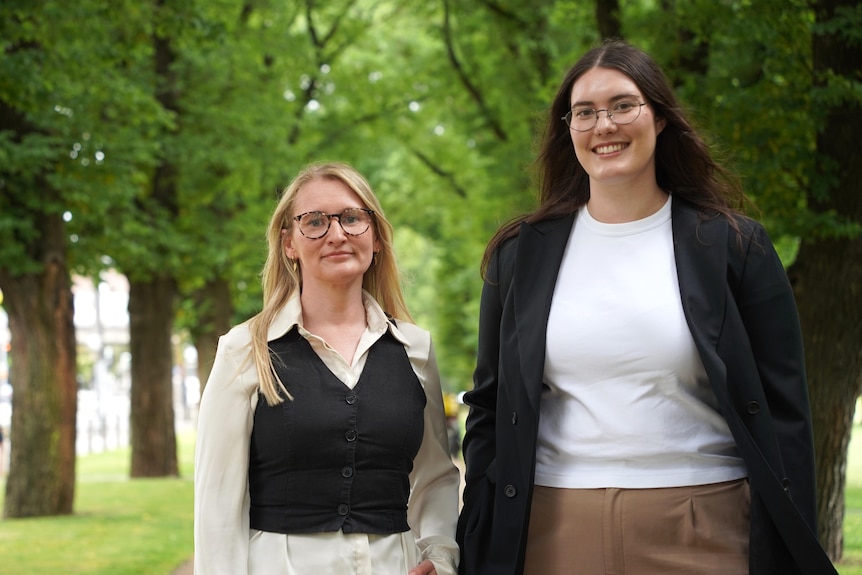
Monash University researchers Jennifer Makovec Knight and Georgia Symons. (ABC News: Kate Ashton)
Alfred Hospital clinical neuropsychologist and study author Dr Jennifer Makovec Knight said some people may not realise that strangulation — including consensual strangulation — can cause different kinds of brain injuries.
“A hypoxic brain injury is caused by strangulation where you’re reducing blood flow and oxygen, creating cell death which is an injury to the brain,” Dr Makovec Knight said.
There has been a growing focus on the safe treatment of brain injuries, particularly in sports, given increasing evidence that even mild concussions, and especially repeated ones, can have long-term impacts.
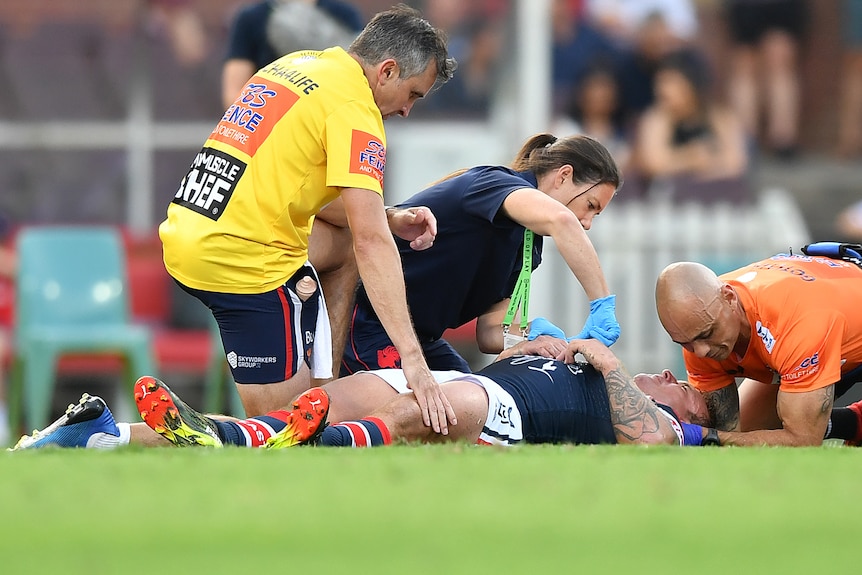
Professional sports codes like the NRL and AFL have been tightening their concussion protocols as awareness of the risks of the injury increase. (AAP: Joel Carrett)
These include post-concussion syndrome and, in severe cases, the development of chronic traumatic encephalopathy (CTE), a degenerative brain disease which can cause significant mood and memory changes.
Monash University neuroscientist and study author Georgia Symons, whose previous research focused on sports concussions, said there was a hidden cohort that was often missed in this conversation — survivors of partner violence.
“It was a real shock for me, someone in this research space, to realise that sports athletes weren’t the highest prevalence of sustaining brain injuries,” Dr Symons said.
A hidden problemAnother concussion crisis is erupting out of sight in homes around the country
There is no clear data about the prevalence of brain injuries — which includes concussion, strangulation-linked brain injuries or more severe brain injuries — among those who have experienced family violence.
A 2018 study by Brain Injury Australia found 40 per cent of family violence survivors who attended Victorian hospitals over a 10-year period had sustained a brain injury.
But that data only related to those who attended hospital.
For many reasons, people experiencing partner violence may not engage with health services to get a diagnosis of a concussion or brain injury, which is why the Monash-led study focused on women with no formally diagnosed brain injury who were living in the community.
“If you ask a footballer how many concussions they have had, generally they will know,” Dr Symons said.
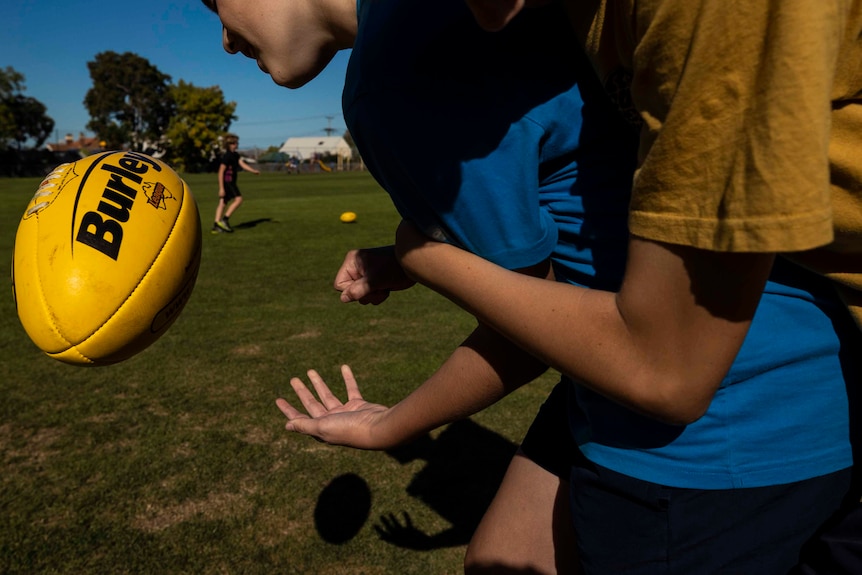
There has been a significant increase in awareness of concussion in community and junior sports. (ABC News: Luke Bowden)
But, she said, when asking a survivor of family violence if they had had a concussion, the typical answer would be no.
Dr Symons said changing the question could uncover the “disconnect” between a widely understood problem — and one that remains hidden.
“We would ask them, ‘have you been hit in the head? Have you been pushed into anything and hit your head?’
“They would say, ‘oh yeah, many times’.”
‘I didn’t have these kinds of problems before’
That is LJ’s story.
She has never been formally diagnosed with concussion or a brain injury due to family violence but said she suffered repeated head injuries as a result of violence from her ex-husband.
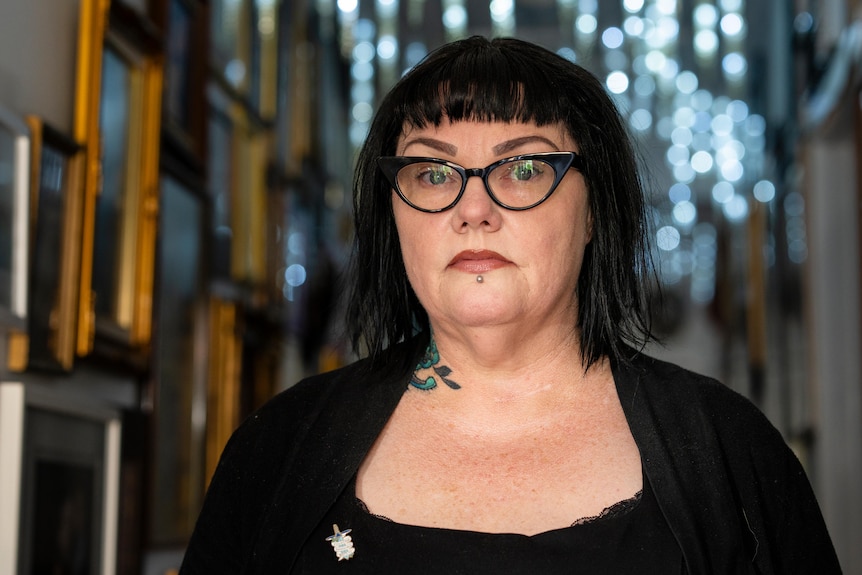
LJ had support from police and health professionals but was never diagnosed with concussion following head impacts from partner violence. (ABC News: Danielle Bonica)
She said he was eventually charged by police over an incident — now more than a decade ago — where he pushed her over in a suburban car park.
She lost consciousness when her head hit the concrete.
LJ, who is a web designer and mother of two, said she had several supports around her at the time she was experiencing violence.
After various incidents, she told her psychiatrist and GP about the violence she had experienced.
If this story has raised issues for you:1800 Respect national helpline:
1800 737 732Women’s Crisis Line:
1800 811 811Men’s Referral Service:
1300 766 491MensLine:
1300 789 978Lifeline (24 hour crisis line):
131 114Beyond Blue:
1300 224 636Relationships Australia:
1300 364 277DV Connect Women’s Line:
1800 811 811Vic Safe Steps crisis response line:
1800 015 188Emergency services on 000 if you need immediate care
Yet the risk of head injuries was not on anyone’s radar — she was never asked about it.
“Most of the times when he did stuff, it was in my hair or under my clothes or whatever so they were like, if there’s no blood, there was no point going to the hospital.”
Despite her general awareness around the risks of concussion — she said she’d taken her kids to hospital for concussions before — she said she had never considered it in the context of her own experience of violence.
“In hindsight, that’s surreal.”
Even without a formal diagnosis she is sure her history of head injuries has contributed to the day-to-day difficulties she experiences with memory.
“I’m a hundred per cent convinced,” she said.
“I didn’t have these kinds of problems before and I didn’t have any concussions before this,” she said
Repeated concussion, strangulation linked to cognitive changes
The Monash-led study found women who suffered more than six suspected brain injuries (concussions and/or strangulations) at the hands of a partner had worse scores on memory and learning tests.
That was even after controlling for factors like age, mental health conditions and substance use.
It also found the rates of strangulation were “alarmingly high” — more than 80 per cent of the cohort with repeated brain injuries (more than six) had experienced both head hits and strangulation.
Dr Makovec Knight stressed the study results did not mean all women who experienced intimate partner violence or repeated head hits or strangulation would experience these difficulties.
But she said for those women who did, the impacts could be significant and confusing.
“They were saying things like they had escaped the relationship and now were safe and were trying to rebuild their lives and go back to university and weren’t able to concentrate,” she said.
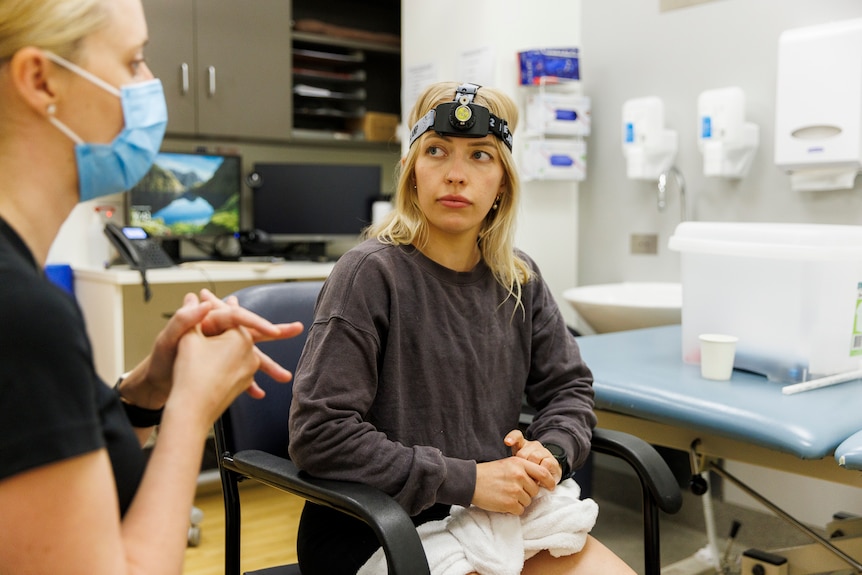
There are some concussion clinics, but currently no specialised services for family violence-related brain injuries. (ABC News: Danielle Bonica)
Victoria’s Aboriginal truth-telling inquiry, the Yoorrook Justice Commission, last year heard anecdotal evidence that undiagnosed brain injuries, ranging from mild to severe, were negatively impacting Aboriginal women who had experienced family violence.
“A woman’s brain injury can mimic the presentation of someone who is drug-affected or they can be seen as being difficult or uncooperative … if these symptoms are judged falsely by ignorant and racist individuals or systems, women risk losing their children,” Aboriginal family violence service Djirra, told Yoorrook last year.
Better screening, treatment needed
University of Queensland professor and neurologist Karen Barlow said the study was reputable and an important contribution to a difficult topic rarely researched in Australia.
Professor Barlow, who was not involved in the research, did urge some caution in interpreting the results for the cohort with more than six brain injuries.
“What this study does show is that, even though there were effects in total learning and delayed recall, overall their function was pretty normal.”
She said that was an important finding — particularly when, as the researchers acknowledge, cognitive changes may be weaponised by perpetrators to claim a survivor of violence is not capable of decision-making or parenting, for example.

Advocates say better awareness of the impact of brain injury on family violence survivors is needed among police and health professionals. (ABC News: Luke Bowden)
Dr Makovic Knight said her hope was that this study could prompt tailored screening and treatment of concussion and strangulation-linked brain injuries for women who experience intimate partner violence.
“This is potentially a cognitive disability that could impact people lifelong and there is currently no treatment protocol, no rehabilitation,” she said.
Outgoing CEO of Safe & Equal, Victoria’s peak family violence body, Tania Farha, said the findings were crucial and suggested further investment was needed to make sure health professionals and family violence workers were equipped to screen for brain injuries amongst women experiencing violence.
“If we don’t take these steps, we’ll continue to see more chronic illness and injury resulting from family violence, which is a devastating consequence.”
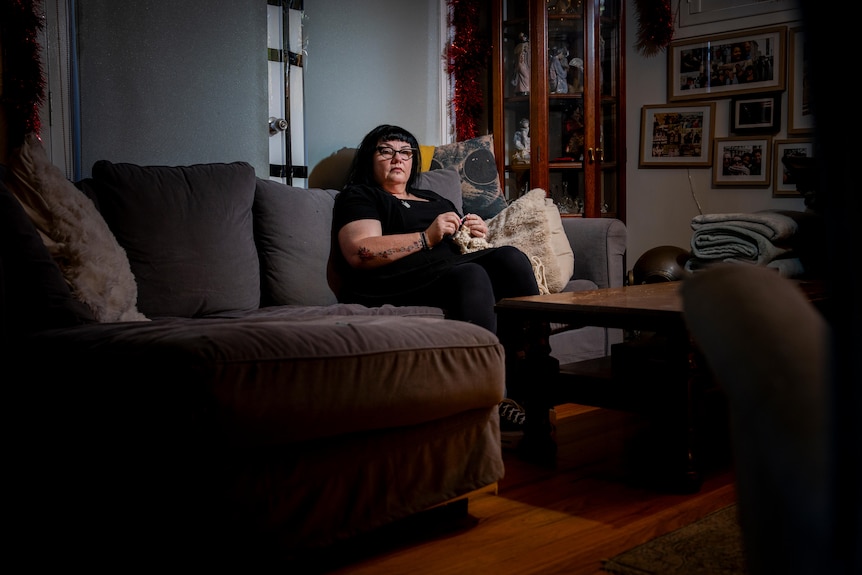
LJ pictured at her home in Melbourne. (ABC News: Danielle Bonica)
For LJ, she said participating in the study helped her build a new understanding of something that felt hard to explain.
“I feel like doing this kind of stuff, it peels away the layers of shame,” she said.
“It’s oddly freeing.”