
ight month, while other markets have been picking up some slack.
Why should I care?
For markets: Demand signals are getting more complicated.
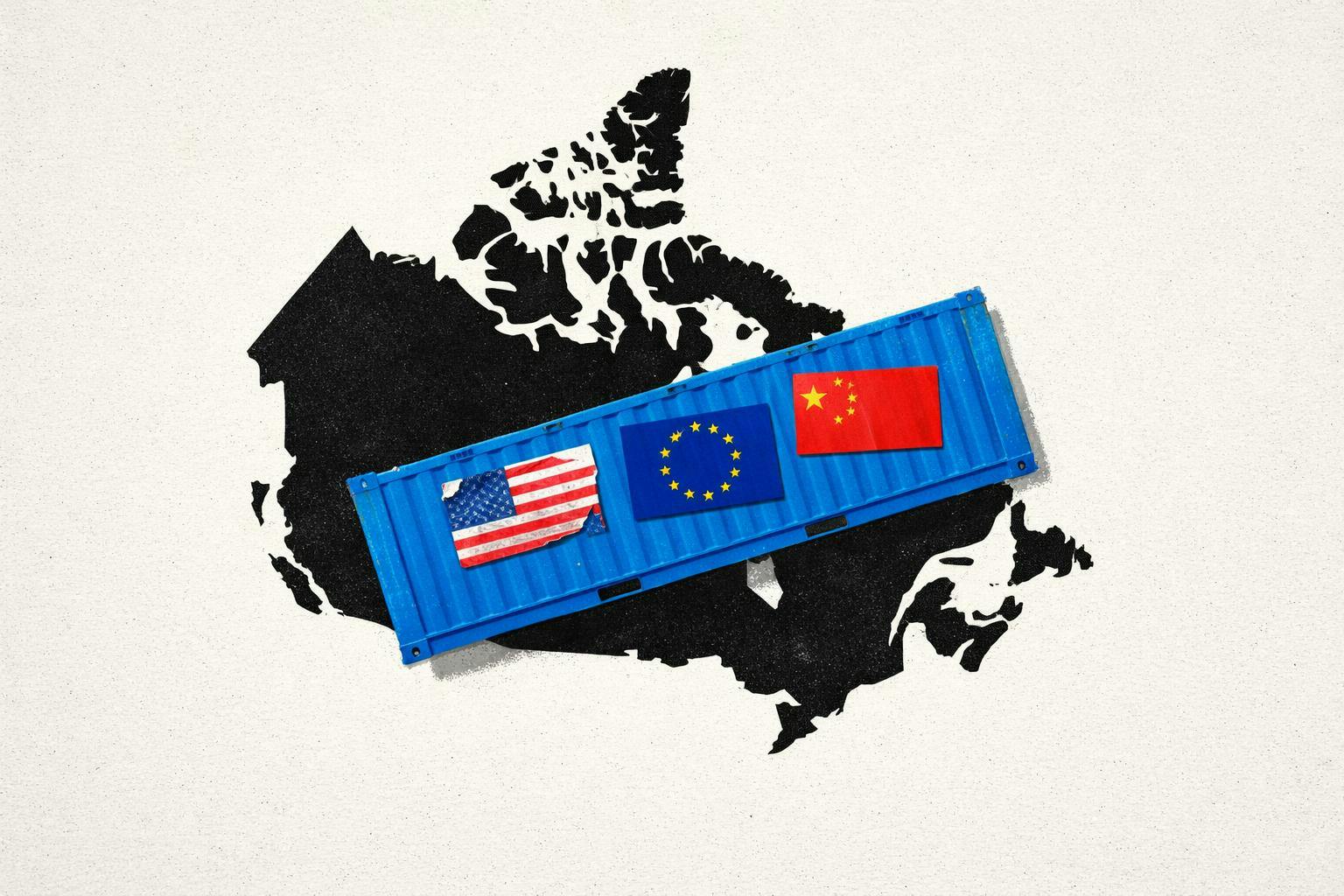
A deficit driven by a big import jump can point to firmer domestic spending or businesses restocking, even if it worsens the headline trade number. But investors will also focus on the export mix: exports to the EU rose 11.9% month over month after a strong September, and shipments to China jumped 28.4%. If that non-US demand holds up, it could make Canada’s growth less sensitive to the US cycle – and shift which sectors benefit most from global trade.
The bigger picture: Canada is slowly reducing single market risk.
Canada’s trade has long been tied to the US, so a sustained slide in southbound exports is a real test. Diversifying toward Europe and China can spread risk, but it comes with new vulnerabilities – like weaker global growth, supply chain frictions, or tougher competition abroad. October’s figures suggest the rebalancing is happening, just gradually, and the US still matters a lot to the overall story.