
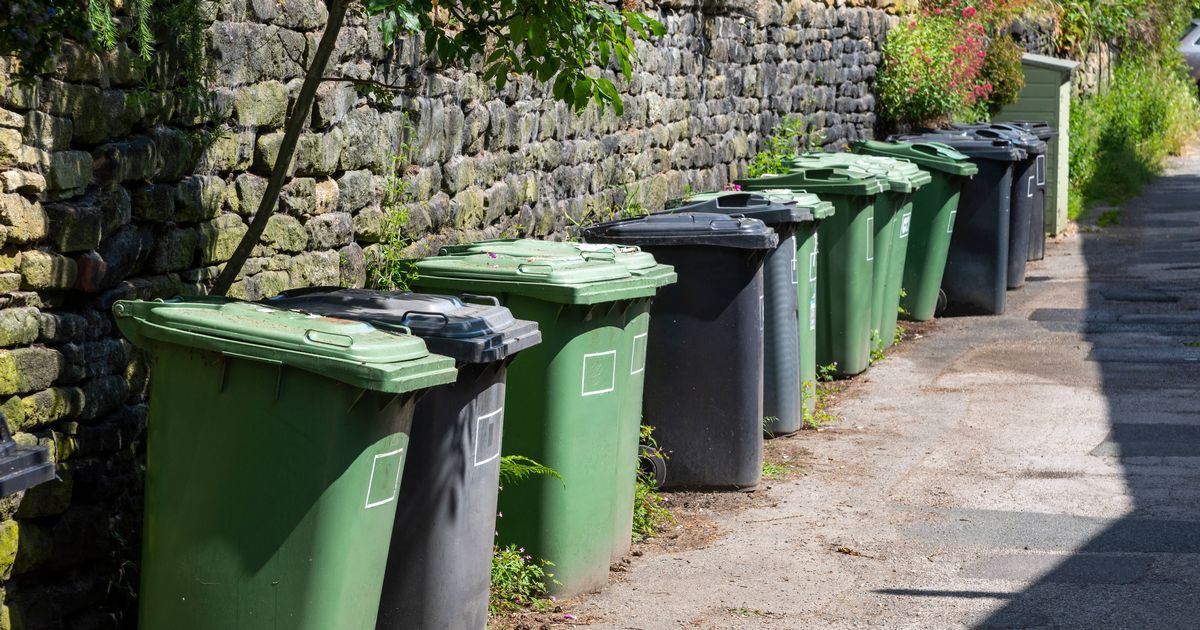
All local authorities in England must begin consistent recycling collections from March 31, 2026, with homes separating waste into four bins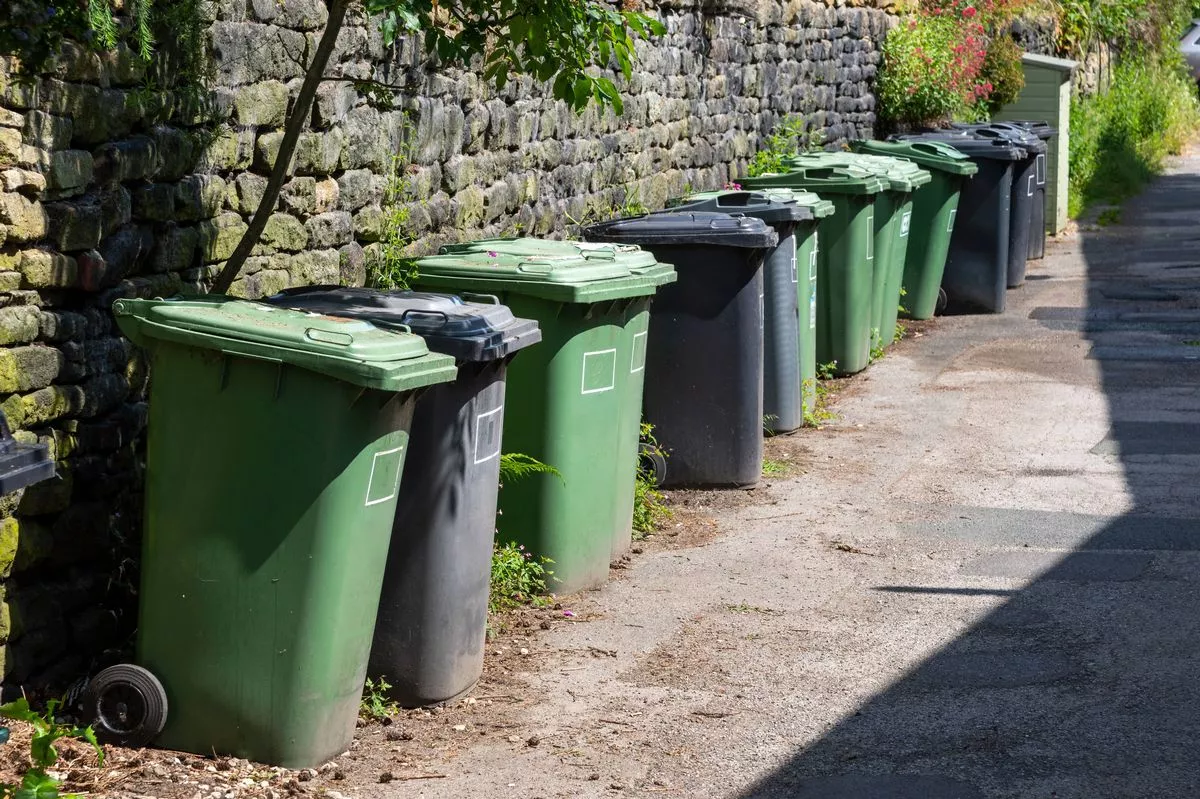
A BBC specialist has sounded the alarm regarding potential £400 penalties(Image: Photos by R A Kearton via Getty Images)
A BBC specialist has sounded the alarm regarding potential £400 penalties as sweeping alterations to household waste collections across England. The recycling reforms are set to commence from March 2026.
The overhaul aims to boost recycling rates and establish standardised procedures throughout England. From 31st March, every local authority across England will be required to implement uniform collections of glass, metal, plastic, paper, card, alongside weekly food waste.
This typically means households will need to manage four separate recycling receptacles. During an appearance on BBC Morning Live, legal expert Gary Rycroft clarified that the fresh regulations solely affect English residents: “There are new rules coming in, the government has imposed new rules in England to say that people should have four different types of waste. The rules come into force March 31st this year. So moving forward, you’re going to have to separate your waste into things that can’t be recycled, then we’ve got food waste, and then we’ve got paper and card, and then we’ve got other dry recycling-glass, plastic, and tin.”
Presenter Gethin Jones chimed in: “It’s a lot, Gary, isn’t it really?” Mr Rycroft stressed that these plans are solely being implemented in England, as reported by the Mirror. “This is a big thing that’s happening, and local councils in England are starting to deal with it, and people are starting to get new bins. And in fact, in Lancaster I’ve seen them out on the streets. It’s causing a bit of a hazard in my view because, you know, people with prams, you’ve got these big new bins there on the pavement.”
Regarding the potential £400 fines, he stated: “But these are the new rules. And of course, it’s really important for us all that we recycle, that we don’t waste things, so it is a really good policy. The £400 thing, well actually there’ve always been rules about how you use your bins.
“There’s always been rules about not overfilling your bin in case seagulls come and take the waste away. There are rules about not keeping it on the pavement for too long, just putting it out on the right day. Always check with your local council, that’s the key thing to do. Your local council will have their own rules. Check with them. If you’re not sure what to do, check with the council and check with them about when you’re going to get your new bins if you’ve not got them already.”
There are several items that cannot be recycled, and individuals found disposing of these in recycling bins could face enforcement measures, including fines. These non-recyclable items include glass, certain metals such as pots and pans, wet wipes, and even some foodstuffs labelled as ‘biodegradable’.
Here’s a checklist to assist you in preparing for the new waste separation regulations set to take effect on 31 March 2026.
Understanding New Bin Categories
Typically, most households will need to segregate their rubbish into four distinct categories to eliminate the current “postcode lottery” of recycling.
Residual (Non-Recyclable) Waste: General rubbish that cannot be reused or recycled.Food Waste: Collected weekly. This includes leftovers, fruit/veg scraps, bones, eggshells, tea bags, and coffee grounds.Paper and Card: Cardboard packaging and paper must now be kept separate from other recyclables like glass or plastic to maintain material quality.Dry Recyclables: A mixed bin for plastic, metal, and glass.
Identifying “Non-Recyclables” (Avoid Penalties)
Incorrect sorting can result in fixed penalty notices. The following items should NOT be placed in your recycling bins:
Glass: Avoid mirrors, light bulbs, Pyrex cookware, drinking glasses, or window glass.Metal: No cutlery, pots, pans, kettles, or aerosol cans that contained paint/antifreeze.Paper/Card: No tissues, toilet paper, wet wipes, or absorbent hygiene products (like nappies).Food: Packaging labeled “compostable” or “biodegradable” (like some coffee pods) should go in general waste, not the food bin.
Preparation Steps
Check with your local council: While the core streams are national, councils have flexibility on the type of containers used (e.g., bins, bags, or stackable boxes).Clear a space for the food caddy: Most households will receive a small internal caddy and a larger external bin for weekly food collections.Audit your current setup: Determine if you have space for potentially two new bins or boxes (one for food, and one to split paper/card from your existing recycling).Mark the calendar for 2027: From March 31, 2027, you will also be required to recycle plastic film, such as carrier bags and crisp packets, in your plastic stream.
Crucial Note: If you’re a small business with fewer than 10 employees, you have until 31 March 2027 to comply with these specific separation rules.