
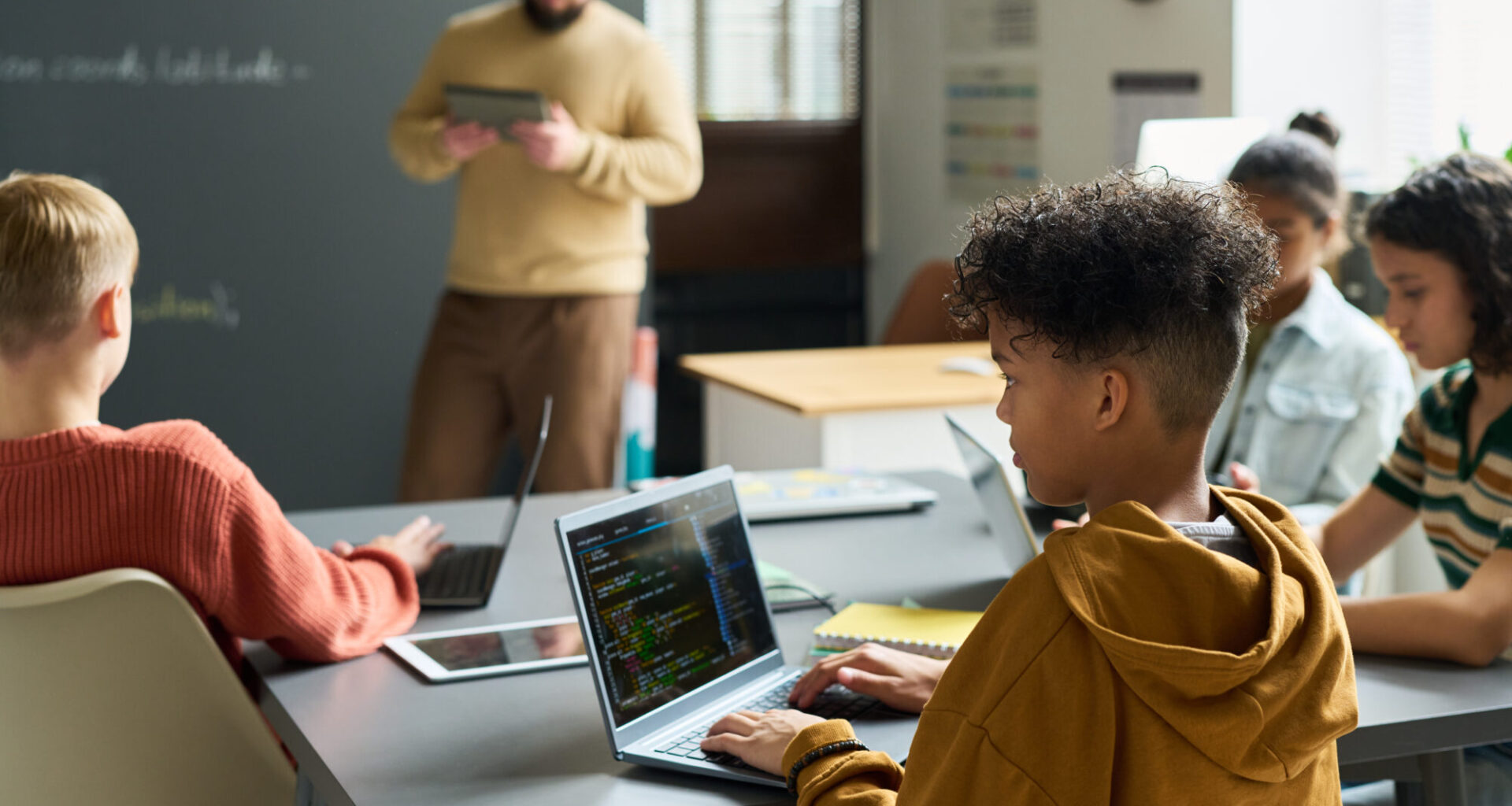
SALT LAKE CITY — Phones are out of the classroom, but are we saying no laptops next? Last week, Utah Governor Spencer Cox announced a bell-to-bell ban on cell phones in all Utah schools, joining 22 other states all taking similar action. But, the national conversation doesn’t stop at phones. A growing movement now questions whether devices like laptops, iPads and Chromebooks belong in classrooms at all.
Author and Educator Andrea Davis, with “Better Screen Time,” shared what the research says and where schools should draw the line.
Technology Itself Isn’t a Great Teacher
When laptops and tablets were introduced into classrooms, they were expected to revolutionize education. Davis said the reality has been disappointing.
“We have better data than ever before when it comes to how technology is impacting education, and the reality is that it hasn’t held up to its promise really,” she said.
Standardized test scores and IQ scores have actually dropped over the past decade.
“Technology itself isn’t a great teacher,” Davis added.
Distractions and Workarounds
Schools and parents are always on top of blocking harmful content, but Davis said that students find ways around restrictions.
“I’ve talked to students and they know the workarounds,” she said.
This means devices well-intended for learning can easily become gateways to distractions. Davis emphasized that giving kids access to the entire internet and expecting them to stay focused is unrealistic.
“We’re really asking too much of them, to be honest,” she said.
Research Points to Paper Over Screens
Studies consistently show that comprehension and retention improve when students read on paper and write by hand.
“Students typically score lower on online exams than they do on paper,” Davis said.
She explained that with all the information available to students on the internet, they are often multitasking on their school devices which even further reduces learning.
“Technology is just not a consistent predictor of learning,” she added.
Solutions for Schools
Davis emphasized that the goal isn’t to be anti-tech, but pro-learning.
“Technology can be an incredible tool. We all know that,” she said.
Currently, some schools are limiting device use to the classroom and requiring homework to be completed by hand. Others are considering a return to traditional computer labs to learn specific skills like typing and research. Davis also noted that schools need to vet apps carefully to avoid design features that encourage addictive behaviors rather than learning.
“Making sure that those apps are not using persuasive design. They’re not using those tactics like streaks and the things that really are sucking kids in, but aren’t enhancing learning,” she explained.
Find more insight from Andrea Davis on Instagram, @betterscreentime.