
Read any recent stocktake of Aotearoa’s world-famous biodiversity and the statistics tell a sobering story.
Three quarters of our endemic terrestrial bird, freshwater fish and frog species are now either at risk or threatened with extinction; nine in 10 of our native seabird and reptile species sit in the same categories; and around half of our native vascular plants – including the cherished pōhutukawa – are also under threat.
Add to that an untold number of invertebrates – only half of our estimated 20,000 insect species have ever been described, reflecting wider gaps in conservation data – and nearly a quarter of our marine mammals.
While our compounding biodiversity crisis isn’t being driven by one single factor, the common thread linking habitat loss, introduced pest predators, invasive weeds and disease, along with a fast-changing climate, is humans.
Yet, University of Auckland ecologists say, we can also be part of the solution – even when the overall picture is undeniably bleak.
That’s especially true in densely populated regions such as Auckland, where a surprisingly rich array of wildlife still overlaps with suburban backyards, busy beaches and local parks and reserves.
And the steps individuals can take are often small: subtle shifts in how we garden, where we holiday, or what we carry into the wilderness over the summer break.
Conservation can start in your back garden
Aotearoa’s urban green spaces and back gardens play an immensely important role in city-wide biodiversity, by providing corridors or ‘stepping stones’ for wildlife between larger natural reserves.
They’re home to a vast and unseen diversity of invertebrates – one study in Dunedin turned up more than 160 beetle species from just 55 gardens, while other research in the Auckland suburb of Lynfield turned up close to 1000 – along with a host of birdlife, plants and lizards.
As the temperature warms up over summer, ecologist Professor Margaret Stanley says people can help nature simply by taking a break from garden maintenance.
“Mowing less frequently and not tidying up leaves and twigs and branches is better for biodiversity and can keep the soil moister over that long, dry summer.”
 Professor Margaret Stanley, an ecologist at the University of Auckland, says small changes in how we garden and move through nature can significantly help urban biodiversity. Photo: Supplied
Conservation biologist Professor James Russell says people can also keep an eye on what is moving around their backyard.
“It’s useful to monitor for rats and other critters in your backyard. You can use low-tech gear such as tracking tunnels, wax tags and chew cards, or even high tech like trail or security cameras.”
Back yards are also where our pets have the biggest ecological impact.
“Birds will be breeding over the summer, so it’s a good reminder to keep cats contained inside or to your boundary properties,” Stanley says.
“We know pet cats commonly roam in bush patches and wetlands in urban areas and can do huge damage to urban bird and lizard populations.”
She also points out a surprising seasonal trend: a rise in pet birds being reported lost.
“Take care not to let your pet bird escape while cleaning cages. They pose a disease risk to native birds and can become invasive.”
For those wanting more birdsong about their homes, choosing plants that provide either food or shelter for native species – garden centres can advise which are most suitable for what – is a great place to start.
“Simply having a water bath in your garden can be great for birds that get hot and dusty over the summer,” Stanley says.
“Just be sure to clean it out every couple of days to reduce disease risk for birds.”
Another easy win: keeping gardens dark at night.
“Light pollution is becoming more of a problem in New Zealand, so people should consider putting their security and outside lights on sensor, shielding them so they point downwards, and using warmer – rather than whiter – light colours.”
Support places that genuinely help conservation
Where people holiday can either support or undermine local ecosystems.
By making conscious choices, holiday-makers can ensure their travel dollars contribute directly to the protection of vulnerable species and fragile environments.
Before booking, they should inquire about operators’ environmental policies, such as whether they compost, or have a clear waste management plan.
Stanley recommends acknowledging those who do the right thing.
“Make sure to give tourism operators and accommodation providers positive comments where they have used primarily native species in their plantings onsite – this is far better for biodiversity and reduces the risk of weed spread.”
Tourists can also seek out places that support conservation, be they eco-sanctuary retreats or sustainable attractions that also help fund community-led projects.
Russell highlights some popular destinations where conservation work is already paying off.
“Franz Josef and Okarito, for instance, are part of Predator Free South Westland, and are now predator-free townships. People can now really see the rebound in biodiversity there.”
And sometimes the best choice is simply giving pressured places a breather.
Many of Aotearoa’s most iconic natural destinations experience a surge of visitors that can compound erosion, disturb wildlife and stretch local conservation teams.
Choosing quieter tracks, alternative beaches or lesser-known reserves can ease that pressure, while also spreading visitor dollars to communities doing important restoration work.
Share the beach respectfully
Summer is peak breeding time across many of our coastal ecosystems – and Stanley offers a take-home rule for those holidaying at the beach.
“When in doubt, keep your distance, whether it’s seals, dolphins or nesting birds.”
Many incidents, she says, come down to simple unawareness.
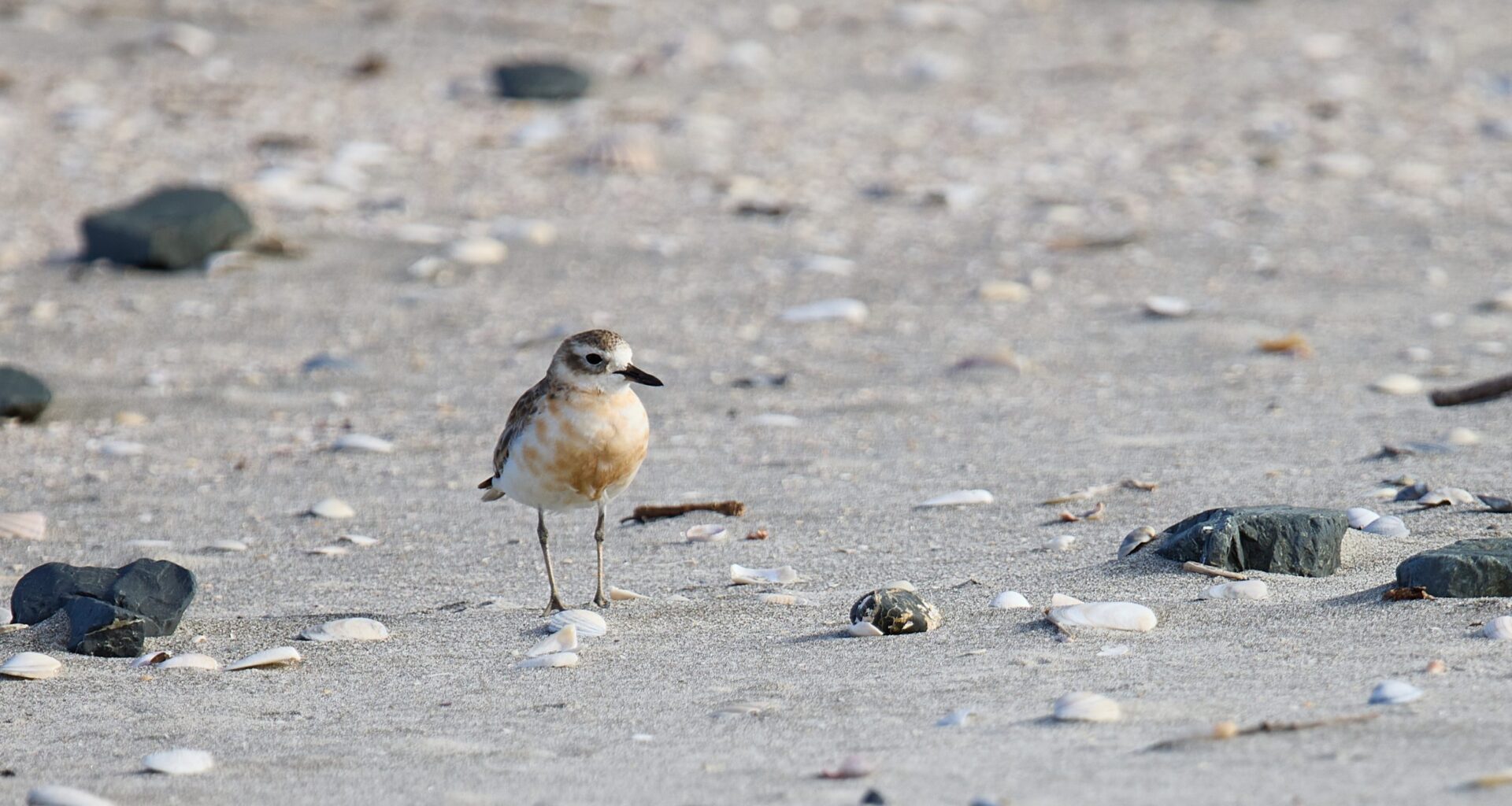
“Shorebirds, like dotterels, are particularly vulnerable to people at beaches, who just don’t seem to be aware – so beachgoers keep off the dunes where possible.”
And one activity is particularly destructive.
“Four-wheel-drive vehicles do a great deal of damage to nesting birds and their habitats on beaches, dunes and riverbeds. They are becoming a major threat. So, if you have a 4WD, think about parking up and walking the rest of the way.”
Russell reminds beachgoers that, from a bird’s perspective, humans and dogs look like danger:
“Birds need beaches too, and humans and their pet animals are perceived as predators by nesting shorebirds as well.
“Scout out what bird species may be nesting before you visit and then share the beach with them.”
Watch your step – and your gear
Summer might be one of the best times to go bush – but trampers can easily cause unexpected harm when exploring our national parks and wildlife reserves.
Stanley recommends starting with the basics.
“Take care to read signs before heading into walking tracks. Dogs can be a real threat in these areas, please don’t take them into areas of high conservation value.”
She highlights a social media trend that quietly destroys habitat: “Rock stacks have become an Instagram trend – but doing this destroys key habitat for lizards and insects.”
One of the biggest risks is something most of us carry unknowingly: soil.
“To avoid spreading weed seeds and diseases like kauri dieback, don’t forget to clean your shoes before heading into special places,” Stanley says.
“It’s also important to clean mountain bike tyres, and to check vehicles and gear for pests.”
Russell says to always follow guidance specific to each location.
“Follow the local advice and guidelines on where you can go, what you can and should do, and if pets are allowed – all our biodiversity has different needs depending on where they live.”
For those heading onto the water, Stanley warns of how easily marine and freshwater pests spread.
“Just think check, clean, and dry. Aquatic weeds and [invasive freshwater algae] didymo can be spread through tiny fragments, while the invasive seaweed exotic caulerpa is easily spread via boat anchors.”
Get involved – and help your kids build lifelong conservation habits
Summer is also a perfect time to get involved with the thousands of community groups working quietly but constantly across the motu to restore local ecosystems.
From neighbourhood predator-trapping collectives, to large-scale wetland and bush-care projects, most rely on volunteers and donations to keep going.
Even a couple of hours checking traps or helping at a planting day can make a meaningful difference, Stanley says.
“I’d add that New Zealand’s weed problem is huge – we have more than 380 weeds causing damage to our native plant communities – so these groups need all hands on deck for our biodiversity to thrive.”
For parents hoping to open their childrens’ eyes to the plethora of species surrounding them, Stanley suggests downloading the iNaturalist app.
“It’s a great activity for curious kids – much better than Pokemon – and it enables them to directly record all the biodiversity they find.”
Russell also recommends a low-tech option.
“Get your kids to keep a bird list for your home or holiday spot. It’s a great way for them to learn about different bird species, and it can also keep them occupied for hours.”
The world is facing unprecedented environmental challenges. Planetary Solutions, an initiative of the Sustainability Hub at Waipapa Taumata Rau, University of Auckland, and Newsroom, explores these issues – and the practical ways we can all be part of the solution.