
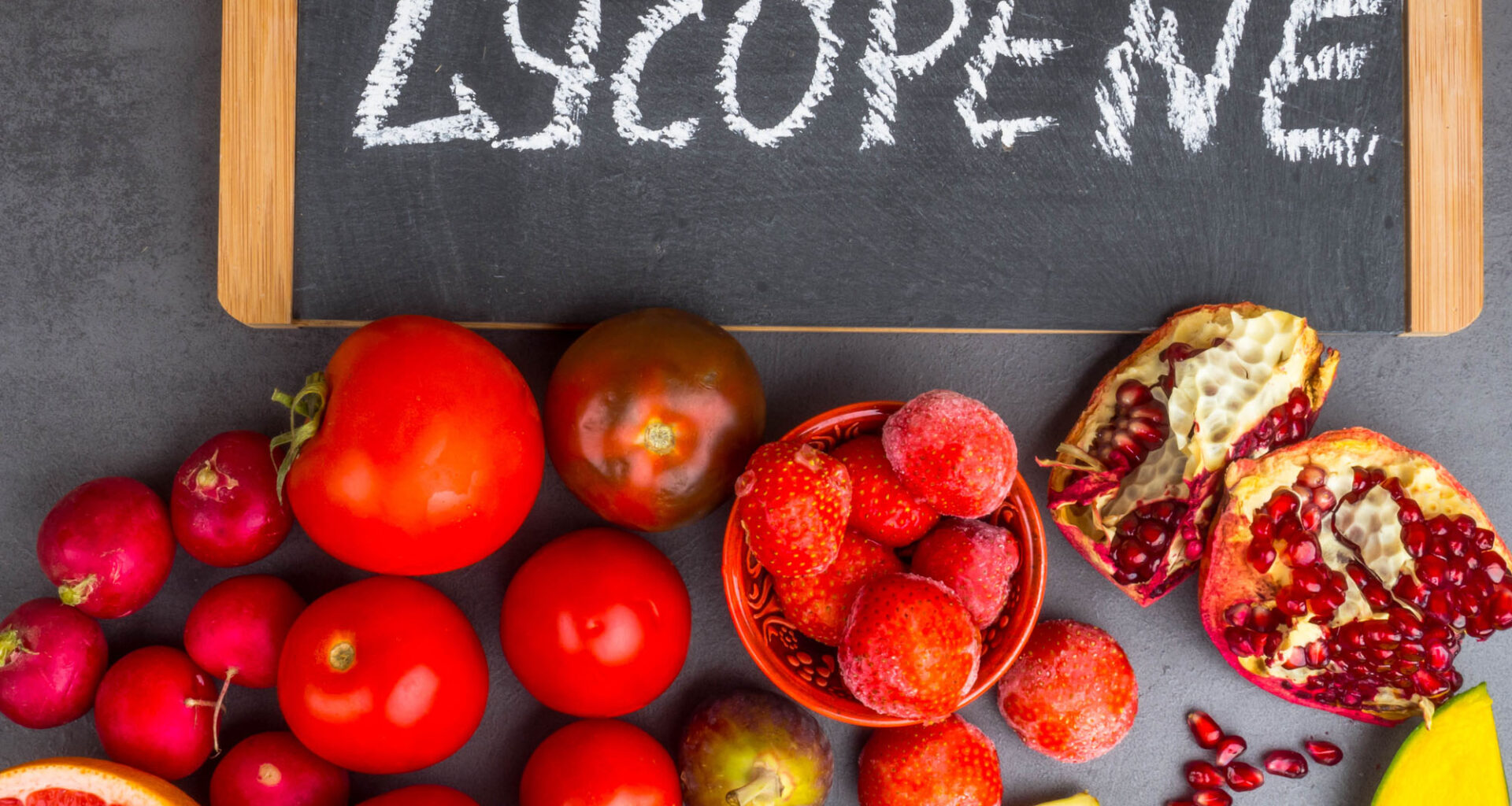
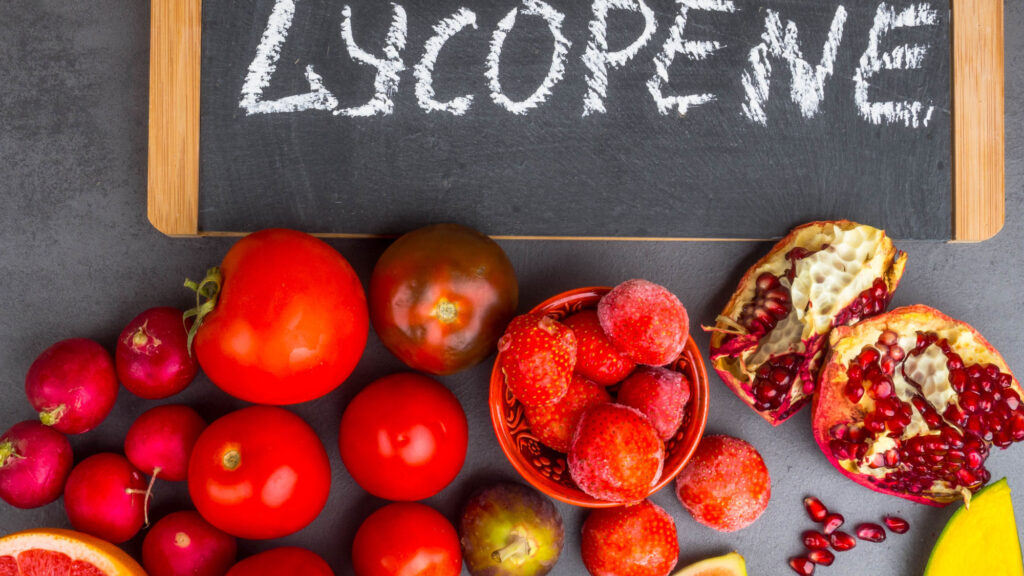
 Lycopene is found in red and pink fruits and vegetables such as tomatoes, watermelon and grapefruit. (iStock)
A natural antioxidant called lycopene, found in red and pink fruits and vegetables such as tomatoes, watermelon and grapefruit, has been associated with a reduced risk of severe periodontitis in older adults, according to a new observational study published in The Journal of Nutrition, Health & Aging.
Periodontitis is a chronic inflammatory gum disease that can lead to tooth loss and is linked with systemic conditions including cardiovascular disease and diabetes. The study examined whether insufficient dietary lycopene intake correlates with the risk of severe periodontitis among adults aged 65 to 79.
Researchers analysed data from 1,227 respondents of the U.S. National Health and Nutrition Examination Survey (NHANES) 2009–2014, adjusting for age, race, sex, smoking status and education.
Related: Fruit compound shows promise against gum disease, may offer alternative to antibiotics
The results showed that nearly half (48.7%) of older adults had some level of periodontitis, while 77.9% consumed insufficient lycopene in their diet. After adjusting for demographic and lifestyle factors, those with adequate lycopene intake had about one-third the odds of severe periodontitis compared with individuals with low intake (adjusted odds ratio 0.33; 95% CI: 0.17–0.65).
The study also identified demographic disparities in disease occurrence. Non-Hispanic Black adults were significantly more likely to have severe periodontitis than non-Hispanic White adults. Severe disease was more common in men compared with women. Among non-Hispanic White participants, both female sex and sufficient lycopene intake were linked with lower likelihood of severe disease.
Authors noted that as a cross-sectional study, the findings cannot prove causation and recommended longitudinal research and clinical trials to determine whether increasing dietary lycopene could directly prevent or slow the progression of periodontitis.