
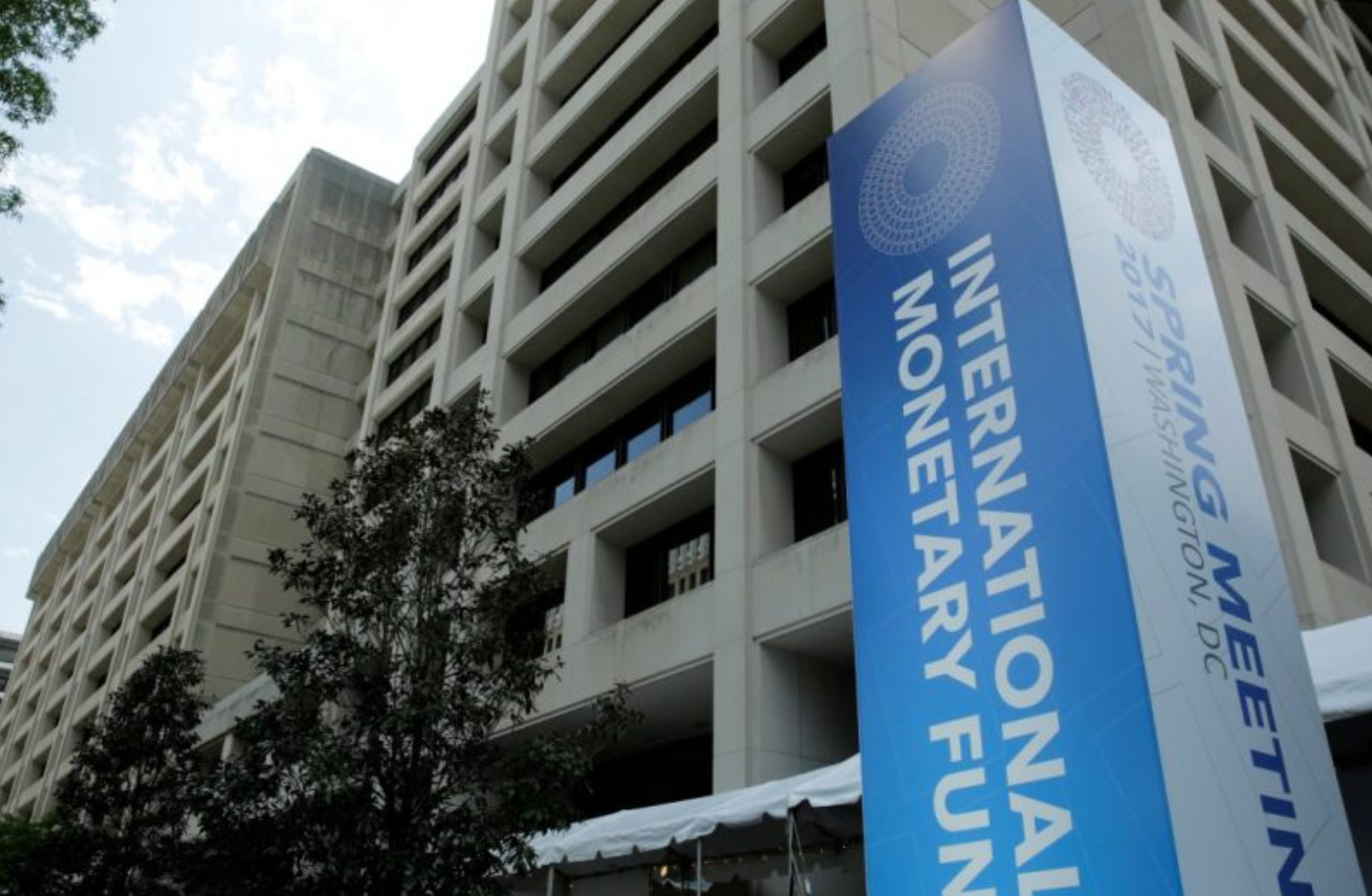
The whispers have become a roar: AI isn’t just reshaping industries; it’s rewriting the very DNA of employment. As we navigate the tumultuous waters of 2025, the demand for new skillsets is no longer a distant threat but a present imperative, with the International Monetary Fund (IMF) sounding the alarm on the urgent need for global reskilling initiatives. The message is stark: adapt or be left behind.
The IMF’s Stark Warning
The IMF, in a recent analysis of millions of online job postings, has highlighted a critical skills gap. One in ten job postings in advanced economies and one in twenty in emerging markets now demand at least one new skill. This isn’t a gradual evolution; it’s a rapid transformation, driven primarily by the relentless march of artificial intelligence and digital technologies. According to IMF Managing Director Kristalina Georgieva, the ability to continuously learn and acquire new skills is becoming inextricably linked to employability.
– Advertisement –
The Epicentre of Change: IT and Beyond
The IMF’s analysis points to professional, technical, and managerial roles as the areas most affected by this skills revolution, with information technology leading the charge. More than half of the demand for new skills originates within the IT sector. However, the ripple effects are felt across diverse industries. Healthcare is experiencing a surge in demand for telecare and digital health capabilities, while marketing professionals are increasingly required to possess expertise in social media strategies.
The Price of Expertise: Wage Premiums for the Skilled
The market is rewarding those who embrace these new skills. In the UK and the US, job postings requiring at least one new skill command wages approximately 3% higher than those that don’t. The premium escalates dramatically for roles demanding four or more new skills, reaching up to 15% in the UK and 8.5% in the US. This illustrates a clear economic incentive to invest in reskilling and upskilling initiatives.
The Uneven Distribution of Opportunity
While the increased wages for skilled workers may stimulate local economies, the employment effects are not uniformly positive. The IMF’s research indicates a polarisation of benefits, with high-skill and low-skill workers faring relatively well, while those in middle-skill roles, particularly routine office jobs, face increasing vulnerability. These middle-skill jobs are ripe for automation and are gradually disappearing or being redefined.
The Paradox of AI: Jobs vs. Displacement
The impact of AI-specific skills is even more nuanced. While AI-related roles command significant wage premiums, this hasn’t yet translated into widespread job growth. The IMF’s findings suggest that in regions with high demand for AI skills, employment in occupations vulnerable to AI has decreased by 3.6% after five years compared to regions with lower demand. This presents a particular challenge for young people entering the workforce, as entry-level positions are often the most susceptible to automation.
The Spectre of Inequality
The IMF warns that without proactive policy interventions, the AI revolution could exacerbate existing inequalities and deepen labour market anxieties. With an estimated 40% of global jobs potentially affected by AI-driven change, concerns about job displacement and declining opportunities for certain demographic groups are escalating. This underscores the imperative for comprehensive policymaking that equips the workforce with the skills needed for the future and ensures that the gains from AI are broadly distributed.
A Global Skills Audit: The Skill Imbalance Index
To assist policymakers in navigating this complex landscape, the IMF has developed a Skill Imbalance Index, designed to compare future demand for new skills with current supply. This tool is intended to help countries identify their specific strengths and weaknesses in the skills market.
Tailored Solutions for Diverse Economies
The Skill Imbalance Index reveals varying needs across different countries. Nations such as Brazil, Mexico, and Sweden, where demand for new skills outstrips supply, require increased investment in training, STEM education, and potentially skilled migration. Conversely, countries like Australia, Ireland, and Poland, which possess abundant talent but weaker demand, need policies that stimulate innovation and foster the creation of new businesses.
Read: More Stocks News
The Challenge for Emerging Economies
Emerging and low-income economies face the most significant hurdle, with both demand and supply of new skills being limited. These countries will need a multifaceted approach that incorporates improvements to education, innovation, and labour market reforms. This likely involves investing in digital infrastructure and improving access to online learning resources, especially in the context of a global, digital-first world in 2025.
As AI continues its relentless march forward, the pressure on workers to acquire new skills will only intensify. The IMF’s earlier warning that nearly 40% of jobs globally will be influenced by AI, with advanced economies experiencing a greater impact, underscores the urgency of the situation. The challenge lies not only in acquiring new technical skills but also in fostering adaptability, critical thinking, and problem-solving abilities – skills that will be crucial for navigating the ever-evolving landscape of the future workplace. Proactive policies, robust social safety nets, and comprehensive retraining programs are essential to ensure that the benefits of the AI revolution are shared equitably and that no one is left behind.