
NEED TO KNOW
On Jan. 12, aurora activity remains the most likely at higher latitudes, where lingering geomagnetic disturbances continue to support visibility overnight
If geomagnetic conditions intensify, the northern lights could dip farther south than usual, making faint displays visible closer to the horizon well beyond typical viewing zonesEverything from real-time solar wind fluctuation to low light pollution plays a major role in whether the northern lights are visible outside their usual range
After a weekend of back-to-back solar activity, the auroras continue!
Northern lights may still be visible tonight, Jan. 12, particularly across higher-latitude regions, as Earth continues to feel the after-shock of recent space-weather disturbances.
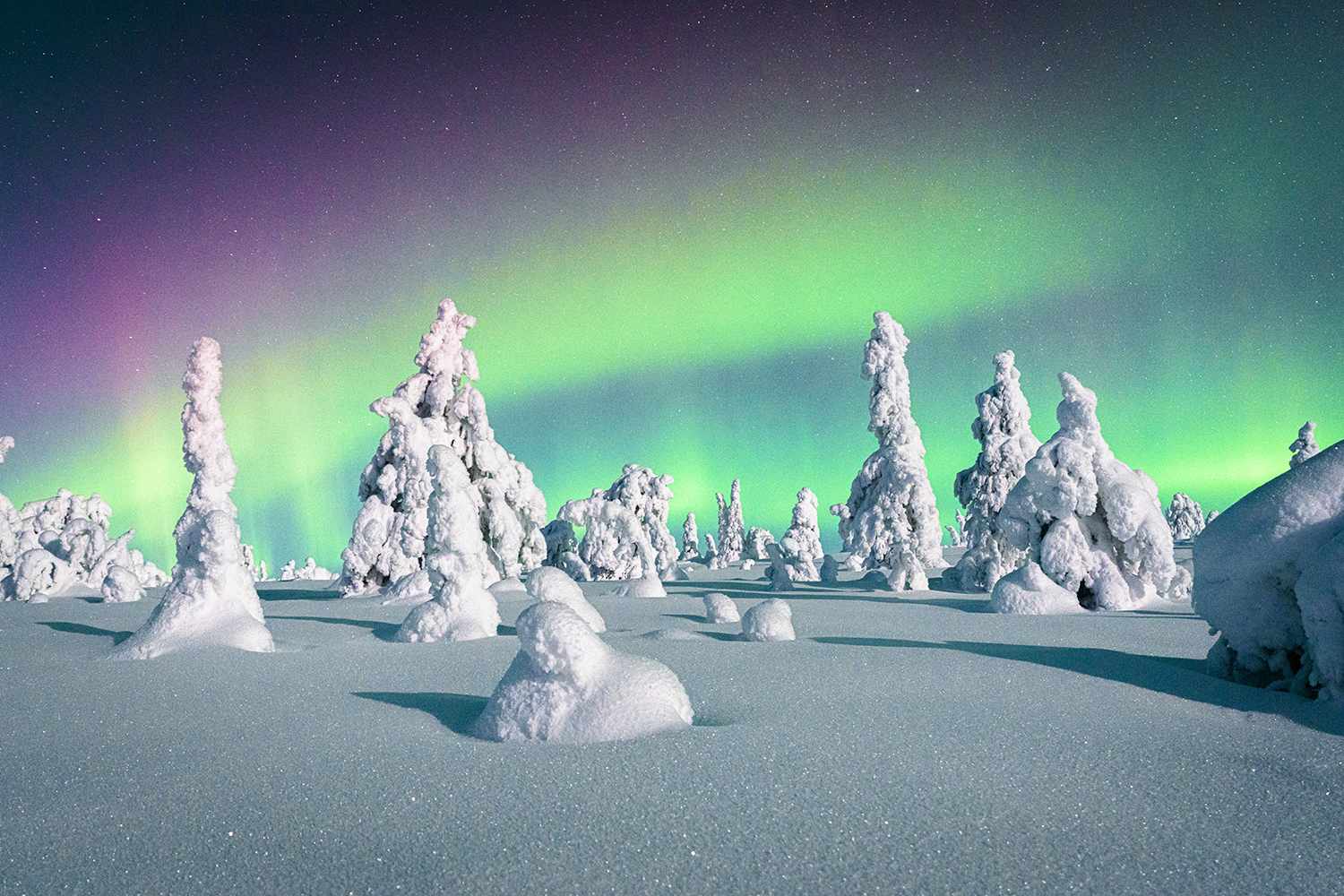
The aurora borealis (northern lights) is a result of geomagnetic storms, which occur when charged particles from the sun collide with gases in the Earth’s atmosphere, creating brilliant waves of light in the sky.
Over the weekend, a “cannibal” coronal mass ejection — which occurs when multiple solar eruptions merge together — reached Earth and triggered a surge of geomagnetic storming.
While the most intense activity has already peaked, forecasters say elevated solar wind speeds and residual magnetic turbulence are likely to linger into this evening, keeping aurora conditions in play.
According to the U.K. Met Office, unsettled geomagnetic conditions could persist through Wednesday, Jan. 14, as a result of a renewed stream of fast-moving solar wind emerging from the easternmost portion of a coronal hole on the Sun.
Here’s everything you need to know about this stellar event.
When will the northern lights be visible?
Northern lights over St Mary’s Lighthouse in Whitley Bay.
Owen Humphreys/PA Images via Getty
Northern lights could make an appearance this evening, Jan. 12, as Earth continues to move through the fading effects of recent geomagnetic disturbances.
Elevated solar wind speeds and lingering magnetic instability are forecasted to persist in the overnight hours of Tuesday, Jan. 13, and if unsettled geomagnetic conditions continue, potentially through Wednesday, Jan. 14.
Where will the northern lights be visible?
Auroras near Atigun Pass.
Getty
Auroras will be most likely viewed across high-latitude regions and northern-tier U.S states, including Alaska, Washington, Montana, North Dakota, Minnesota and Maine.
How to watch the northern lights?
Northern lights in Fairbanks.
Getty
In order to capture the magic, head far from city lights and pollution, with a clear, unobstructed view of the northern horizon. More importantly, be patient and give your eyes time to adjust (at least half an hour) to the darkness.
Auroras are naturally fickle and unpredictable, so never underestimate their initially faint appearance, as they could suddenly intensify without warning. For clarity, it’s best to check real-time aurora alerts and forecasts for more information.
How to take photos of the northern lights?
Aurora Borealis in Iceland.
Getty
You don’t need special equipment to catch a glimpse of the northern lights.
In fact, several smartphones have a high-tech feature that lets you take photos of the aurora borealis, so you can remember the phenomenon forever! However, for those with more advanced gear, like a DSLR or mirrorless camera, use a tripod and shoot in manual mode for the best results.
Simply head to your phone’s camera settings and turn on “Night Mode.”