
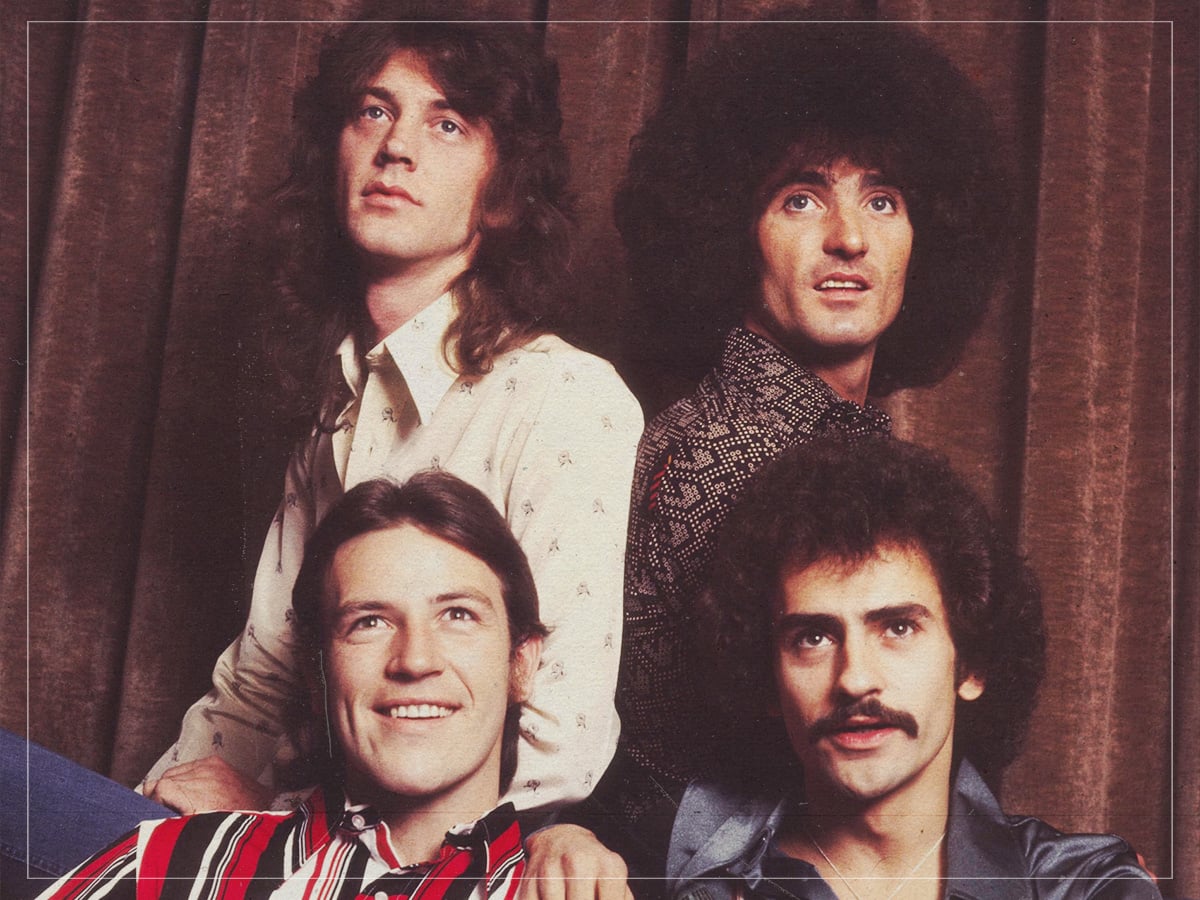
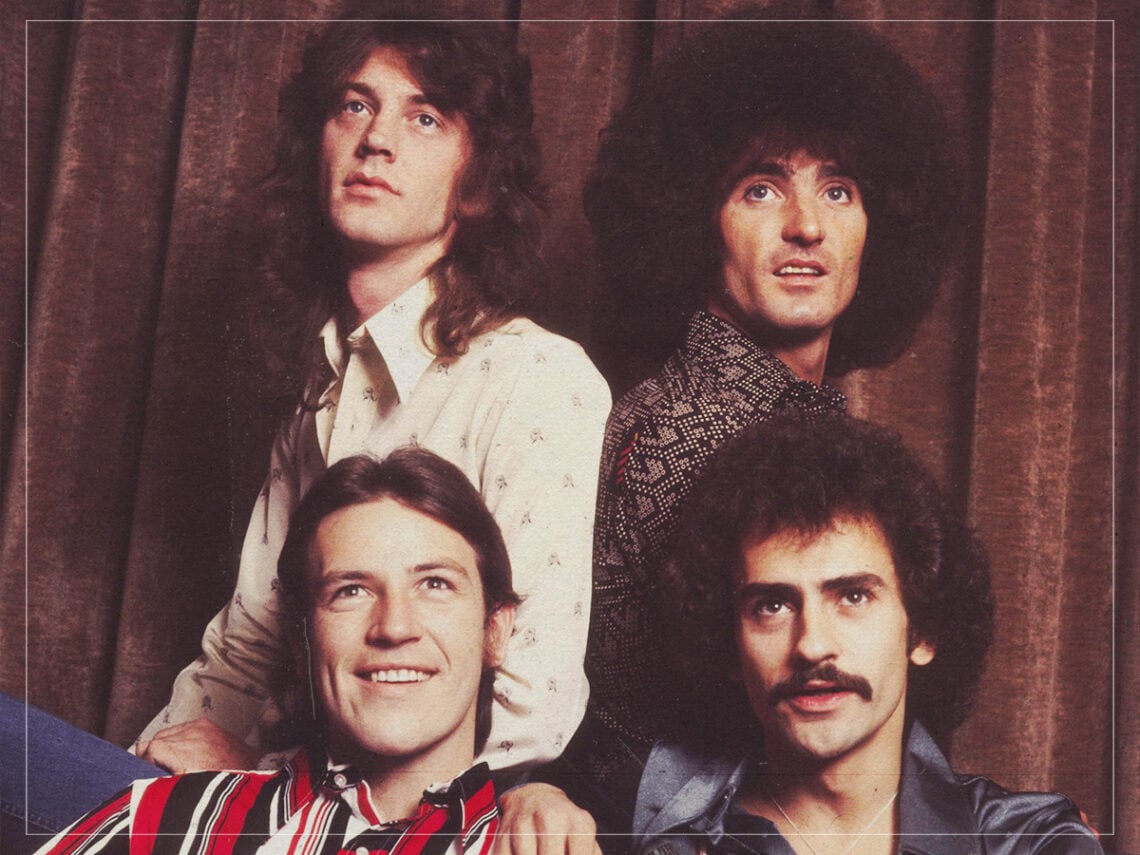
(Credits: Far Out / Grand Funk Railroad)
Thu 22 January 2026 0:00, UK
Beatlemania, in spite of countless spools of archival footage focusing on screaming teenage girls desperate to catch a mere glimpse of four lads from Liverpool, was a phenomenon which spread across virtually the entire population, and if any one event captured the essence of The Beatles’ colossal stardom, it was their momentous show at Shea Stadium back in 1965.
Breaking a litany of box office and attendance records, the Fab Four dragged a whopping 55,000 people into the stands of the now-demolished baseball stadium, prompting the show’s promoter, Sid Bernstein, to exclaim, “We took $304,000, the greatest gross ever in the history of show business.” While that rather sensationalist quote does reflect the incredible occasion, The Beatles certainly weren’t the only band to take Shea by storm.
Only six years later, in fact, Michigan’s finest, Grand Funk Railroad, matched the attendance – and presumably Bernstein’s profits – when they managed to sell every ticket for the colossal stadium in 72 hours, thus beating out The Beatles by at least a few days. While Grand Funk Railroad could never claim to rival the popularity of the biggest band that has ever walked this Earth, their Shea Stadium show was a cultural event of vital importance, which those ticket sales certainly reflected.
“It was the Vietnam era, and everybody wanted the war to stop,” the Railroad’s frontman, Mark Farner, once recalled to MLB.com. Essentially, that translated into the band’s Shea show being a show of solidarity with the anti-war movement, as opposed to being a run-of-the-mill stadium rock show. After all, GFR had amassed no hit singles by the time they performed, and they were short of much mainstream airplay, too.
Instead, the band’s message had been shared via the airwaves of underground and college radio stations, particularly with their defining anthem ‘I’m Your Captain (Closer to Home)’, the ten-minute anti-war ode to a sea voyage and its mutiny. While it might not have been the most commercially successful, nor the most overtly politically-charged anthem of the anti-war era, the song beautifully captured the feeling of those veterans who had been sent to Vietnam.
As you can imagine, therefore, the band’s Shea Stadium performance of the track managed to rival the reception garnered by The Beatles, and then some. “They got behind ‘I’m Your Captain’,” Farner recalled. “And even today, it’s the most requested song of all Vietnam veterans. It’s easy to see why. […] It still fits today in that theatre of war.”
“And it was powerful,” the singer continued. “Women were crying. Guys were crying.” He explained, “It was a very emotional time. New York City in 1971 was ready not only to hear the song but to react to the feelings it stirred up. And they reacted.”
Adding, “They sang it louder than the damn PA, dude. I could hear them singing louder than I was singing.”
Even still, Farner was quick to point out that their accolade of out-selling The Beatles was a result of little more than ticket-selling experience. “When The Beatles played there, nobody knew how to sell tickets for shows of that magnitude,” he explained, whereas the rock realm had moved on somewhat from the days of 1965.
Despite that qualifying factor, though, the show was nonetheless groundbreaking. With that gig in Queens, Grand Funk Railroad not only established themselves among the defining bands of the anti-war age, but they also almost single-handedly established the realm of arena rock in the process.
Related Topics
The Far Out Beatles Newsletter
All the latest stories about The Beatles from the independent voice of culture.
Straight to your inbox.