
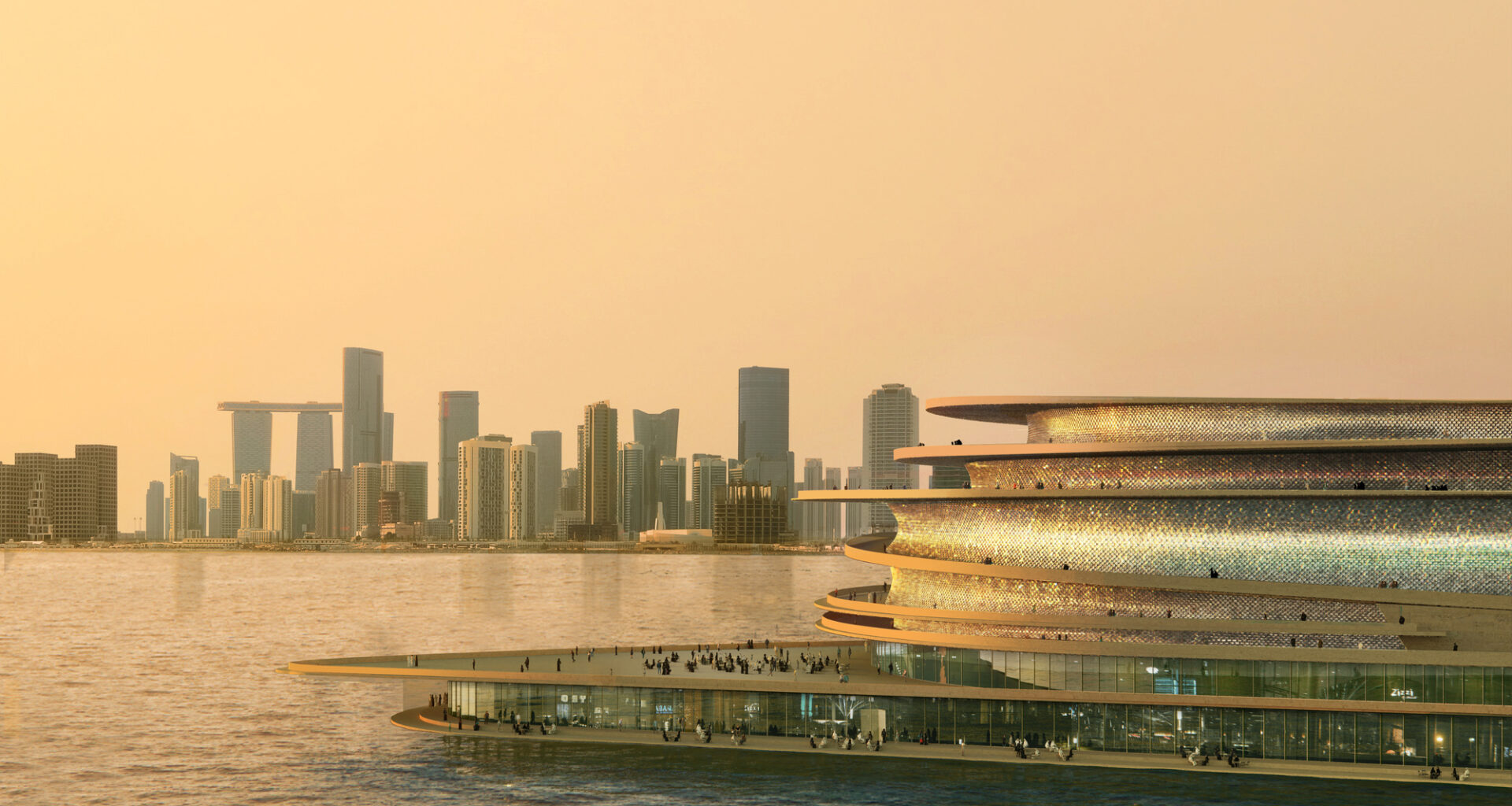
 House of Performing Arts in the Arabian Gulf. Image © Lina Ghotmeh — Architecture
Share
Or
https://www.archdaily.com/1038078/serpentine-pavilion-2026-and-lina-ghotmehs-house-of-performing-arts-this-weeks-review
Architecture’s public role emerges as a central theme across recent announcements, institutional projects, and professional programs. The selection of the 2026 Serpentine Pavilion designer foregrounds architecture as a space for public encounter and material inquiry, while major civic and cultural projects point to renewed investment in institutions that support education, exchange, and urban continuity. Alongside these developments, international award programs and policy-aligned initiatives continue to situate architecture within broader conversations on sustainability, social responsibility, and long-term impact, highlighting how design decisions at both intimate and monumental scales respond to shared environmental and civic challenges.
Civic Architecture as Public Platform and Cultural Infrastructure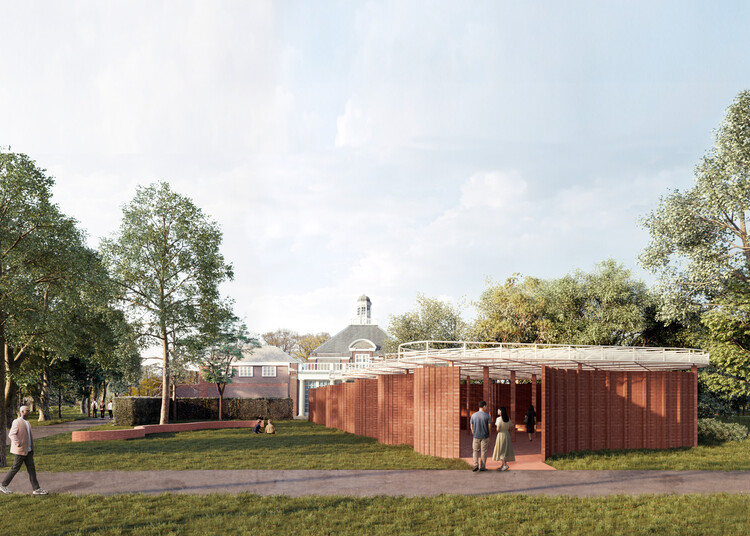 Serpentine Pavilion 2026 “a serpentine,” designed by Isabel Abascal and Alessandro Arienzo, LANZA atelier. Design render. Image © LANZA atelier. Courtesy Serpentine
Recent announcements underscore how architecture continues to shape public life through institutions that operate simultaneously as cultural platforms and civic interfaces. The selection of LANZA atelier to design the 2026 Serpentine Pavilion situates temporary architecture within this lineage, framing the Pavilion as a public structure that engages material continuity, historical references, and collective experience within a garden context. Conceived through a sequence of curved brick walls and permeable enclosures, the project draws from both English construction traditions and the spatial rhythms of the surrounding landscape, reinforcing the Pavilion’s role as a site of encounter, orientation, and pause within the city’s cultural calendar.
Related Article The New Museum Expansion by OMA to Open on March 21 with Exhibition on Humanity 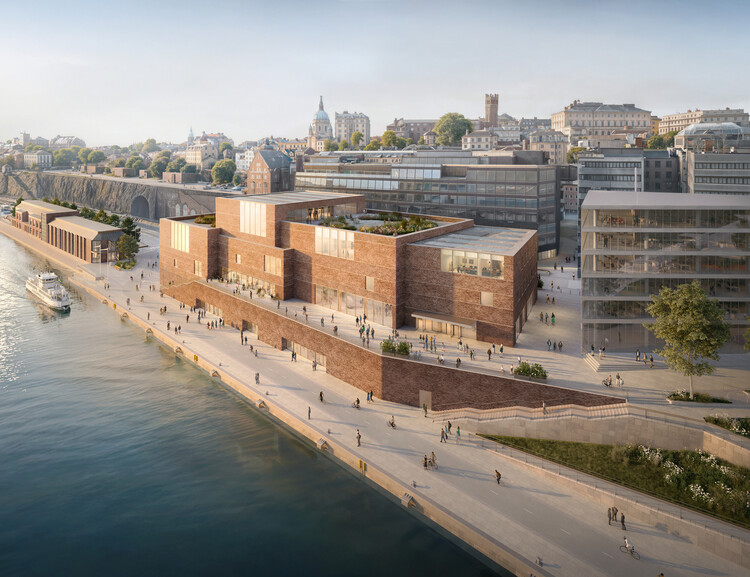 Aerial view along the waterfront. Image © Onirism/Nobel Prize Outreach
At a larger and more permanent scale, the newly revealed design for the Nobel Center in Stockholm by David Chipperfield Architects extends similar concerns into long-term civic infrastructure. Positioned along the evolving Slussen waterfront, the project integrates exhibitions, public programs, and everyday urban movement within a permeable architectural framework that connects the city’s historic and contemporary layers. Through its timber structure, reclaimed brick façade, and public terraces, the building is conceived as an extension of the public realm, aligning cultural representation with accessibility, environmental responsibility, and urban continuity.
Sustainability, Informality, and Global Architectural Frameworks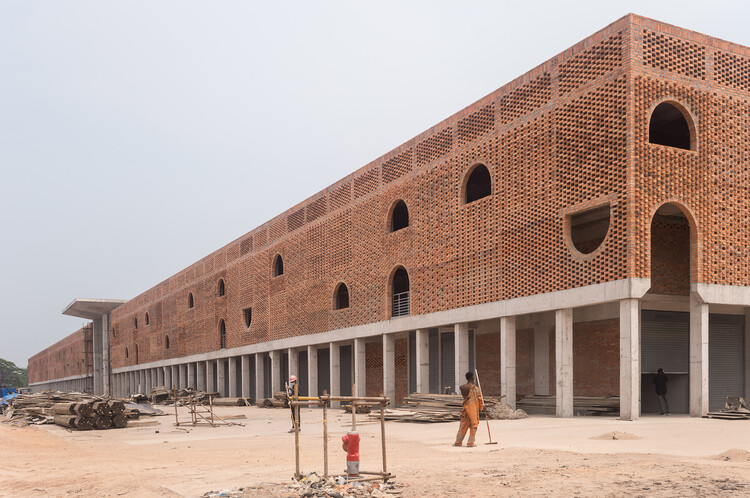 Zando Central Market, Kinshasa by THINK TANK architecture. Image © Martin Argyroglo
Alongside these civic and cultural projects, recent interviews and professional initiatives foreground architecture’s expanding role within sustainability agendas and global policy frameworks. An in-depth conversation with THINK TANK architecture examines the redevelopment of Zando Central Market in Kinshasa, a project recognised by the 2025 Holcim Foundation Awards for its climate-responsive design and engagement with local construction practices. The interview reflects on how the project negotiates density, informality, and material constraints through a restrained palette of concrete and terracotta, developed in close dialogue with vendors, local authorities, and craftspeople. Rather than presenting the market solely as a finished object, the discussion positions it as an evolving civic infrastructure shaped by collaboration, adaptation, and everyday use.
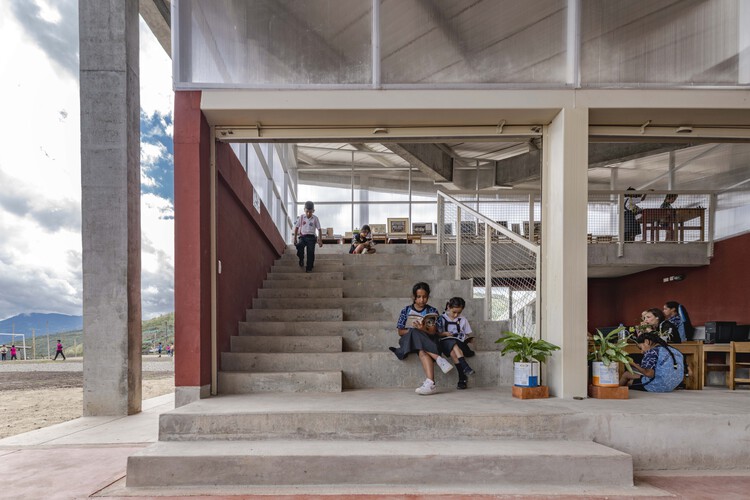 La Jalquilla: A School for All by Asociación Semillas Para el Desarrollo Sostenible. Image © Eleazar Cuadros
Running in parallel, the UIA 2030 Award has announced the regional finalists of its third cycle across five global regions, reinforcing architecture’s positioning within international policy frameworks aligned with the UN Sustainable Development Goals. The selected projects reflect a broad range of geographic, social, and environmental contexts, and are evaluated through a staged process that foregrounds real-world performance, contextual integration, and life-cycle thinking.
On the RadarLina Ghotmeh — Architecture Reveals the Design for the House of Performing Arts in the Arabian Gulf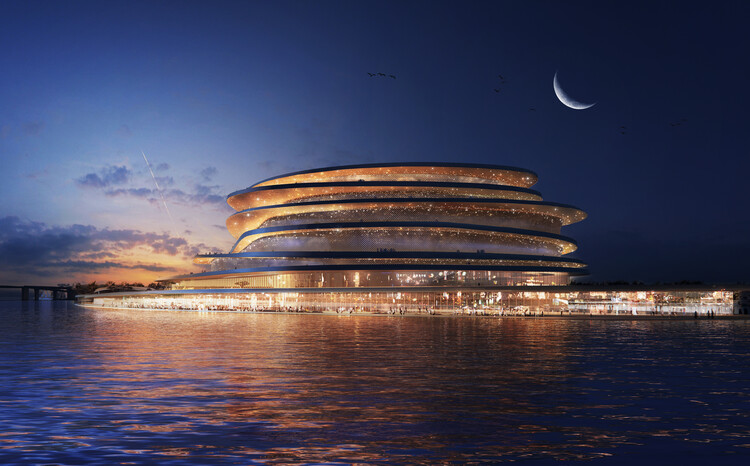 House of Performing Arts in the Arabian Gulf. Image © Lina Ghotmeh — Architecture
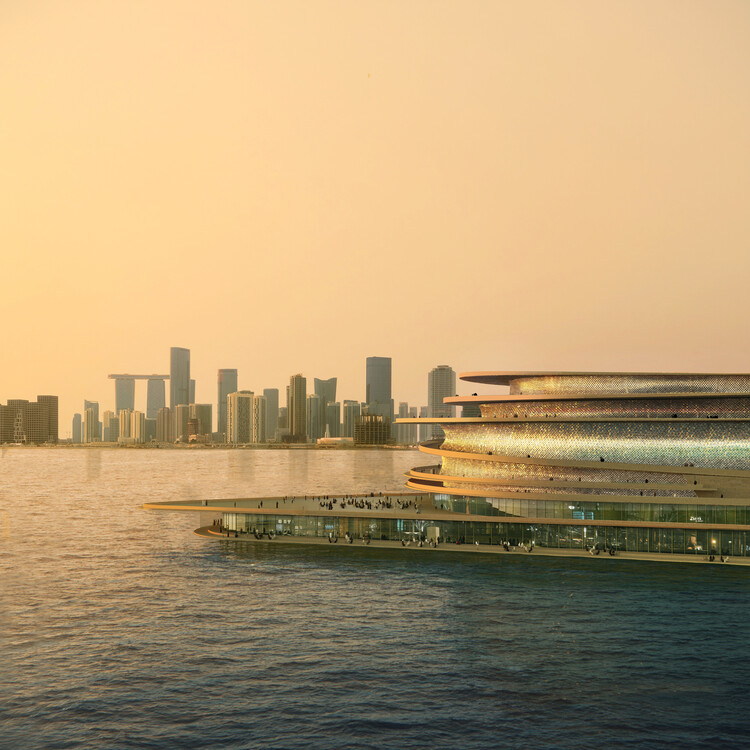
Lina Ghotmeh — Architecture has unveiled new images for the House of Performing Arts, conceived as a sculptural cultural building rising from the waters of the Arabian Gulf. Shaped as a spiral form, the project draws on references to movement, music, and the fluid relationship between land and sea, positioning the building as a civic gathering space along the corniche. The architecture is defined by a reflective, shimmering façade inspired by natural textures and fish scales, designed to respond to changing light conditions throughout the day and across seasons. Framed as a responsive and evolving presence rather than a static object, the proposal emphasises architecture’s capacity to engage with its maritime context, horizon lines, and the rhythms of the surrounding city.
MVRDV Wins Competition to Design Mixed-Use Tower in Downtown Dubai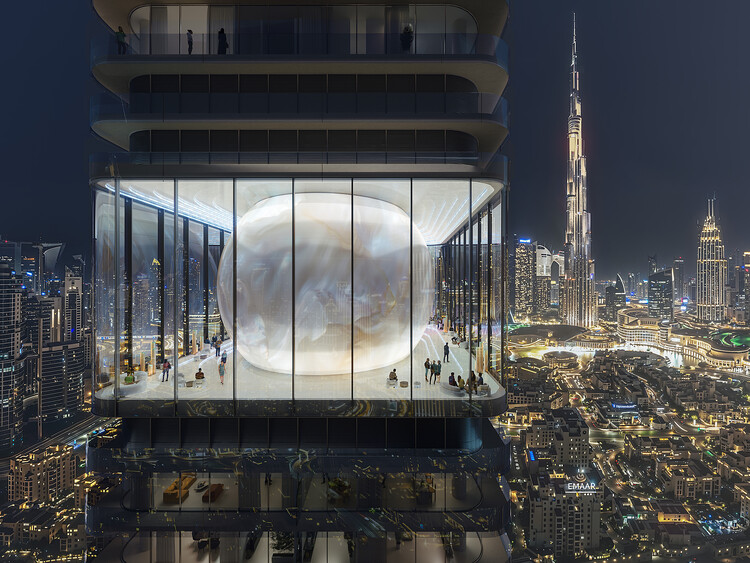 Inaura by MVRDV. Image © MVRDV
MVRDV has been selected to design Inaura, a 210-meter-tall mixed-use hotel and residential tower in Downtown Dubai, developed by Arada on a site between Downtown Dubai and Business Bay. The project introduces a largely rectilinear tower articulated by a luminous ovoid volume embedded within its upper portion, created by lifting and separating the building’s mass to form a distinctive Sky Lounge that organises the program vertically. A four-story plinth accommodates public and wellness-related functions, while hotel rooms, apartments, and larger residential units are stacked above, connected by shared amenities and panoramic views. Shading strategies, wraparound balconies, and a gradual transition in façade articulation from base to top respond to the tower’s climatic context and prominent skyline location, establishing a recognisable profile without relying on increased height or expressive crowns.
Joan Razafimaharo is Among the Participants of the Pan-African Biennale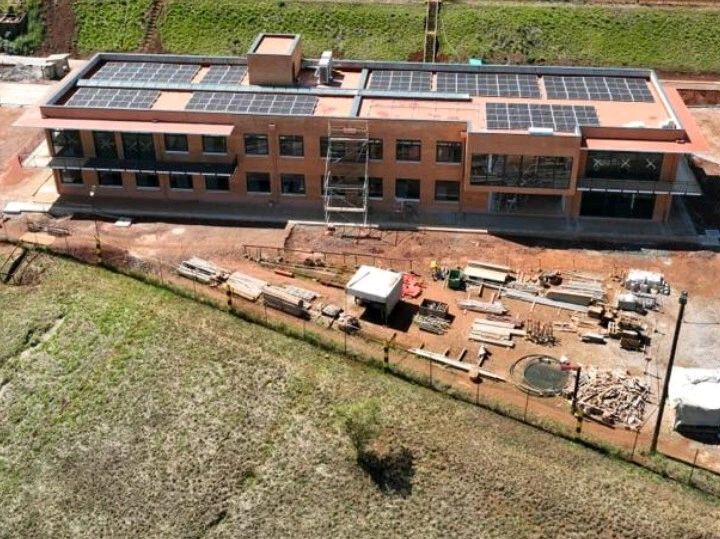 Biocenter – Office and Laboratory Building (Atsinana, Madagascar. Image Courtesy of Joan Razafimaharo
Architect, project manager, and researcher Joan Razafimaharo is among the participants of the Pan-African Biennale, bringing a practice that bridges architecture, ecology, and social justice. Working across Madagascar and the Indian Ocean region, her work spans social housing, educational and healthcare facilities, and heritage-sensitive projects, grounded in material responsibility and environmental ethics. One recent project, the Biocenter, an office and laboratory building currently under construction in the humid rainforest region of Atsinana, Madagascar, demonstrates this approach through the use of uncooked compressed-earth bricks as wall infill. Designed to respond to high humidity, intense rainfall, and limited infrastructure, the building explores how locally sourced, low-carbon materials can provide thermal stability and environmental performance within challenging ecological conditions.
Foster + Partners Designs the Rijksmuseum’s New Sculpture Garden Pavilions in Amsterdam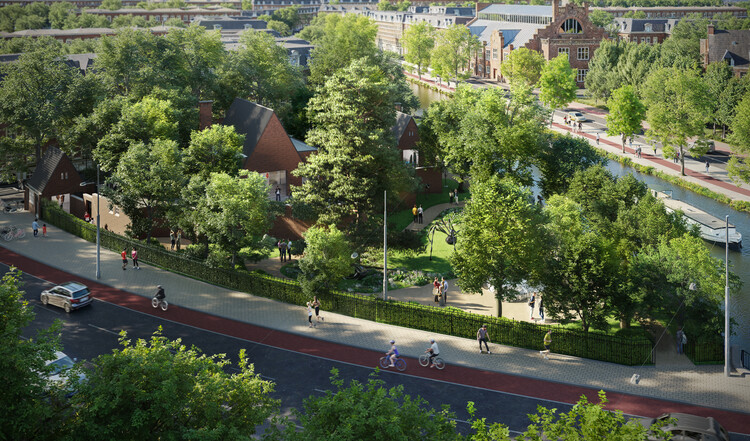 Artist Impression of the planned Rijksmuseum sculpture garden. Image © Foster + Partners
Foster + Partners has unveiled plans for a new public sculpture garden adjacent to the Rijksmuseum in Amsterdam, centred on the renovation of three existing brick pavilions, designed in the Amsterdam School style. Enabled by a donation from the Don Quixote Foundation, the project will merge the pavilions and their surrounding gardens with the nearby Carel Willinkplantsoen to create a unified cultural landscape that will be open to the public for the first time. The pavilions will be transformed into sculpture exhibition spaces housing works by artists including Alberto Giacometti, Louise Bourgeois, Alexander Calder, Jean Arp, Roni Horn, and Henry Moore, alongside temporary exhibitions. Landscape design for the garden is led by Belgian landscape architect Piet Blanckaert, with the new exhibition space collectively named the Don Quixote Pavilion and Garden at the Rijksmuseum.