
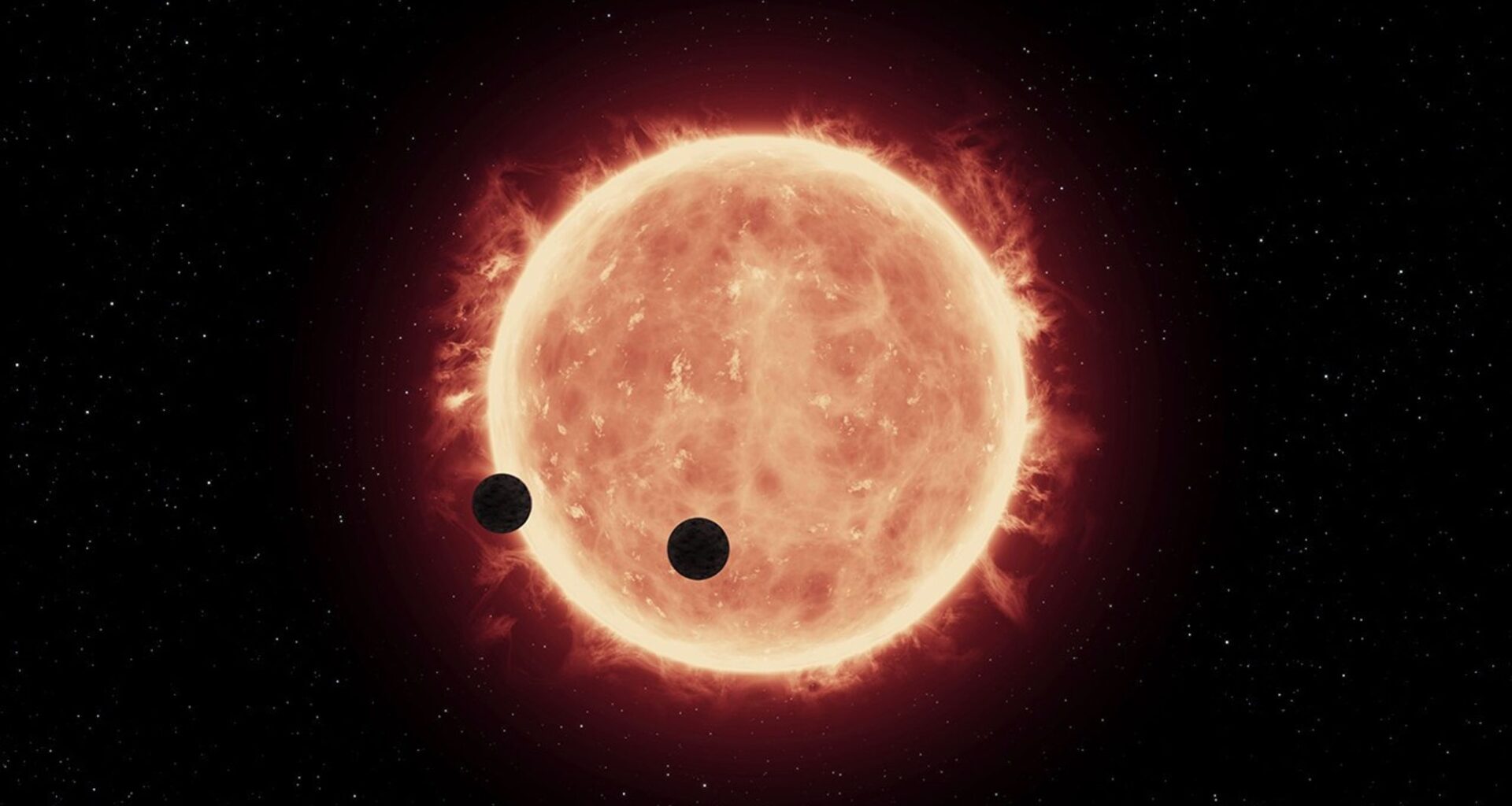
NASA scientists have unveiled an upgraded AI tool called ExoMiner++. The instrument builds on its predecessor’s success in discovering 370 exoplanets from Kepler mission data.
NASA’s ExoMiner AI Evolves to Tackle TESS Data
Over 6,000 exoplanets have been confirmed to date. More than half come from NASA’s retired Kepler telescope and its ongoing Transiting Exoplanet Survey Satellite (TESS). Yet vast public archives from these missions hold thousands more waiting to be found.
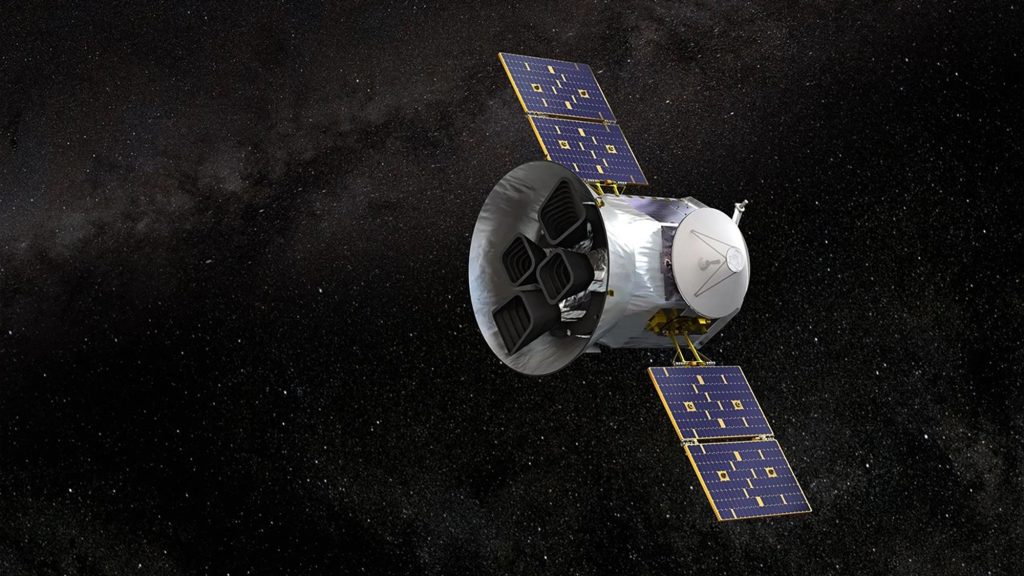 Artist’s impression of NASA’s Transiting Exoplanet Survey Satellite (TESS), which launched in 2018 and has discovered nearly 700 exoplanets so far. NASA’s ExoMiner++ software is working toward identifying more planets in TESS data using artificial intelligence. Credit: NASA’s Goddard Space Flight Centre
In 2021, researchers at NASA’s Ames Research Centre developed the original open-source ExoMiner software, which used machine learning to validate those 370 Kepler exoplanets. The new ExoMiner++, detailed in a recent Astronomical Journal paper, trains on combined Kepler and TESS datasets to sift through TESS signals with greater precision.
ExoMiner++ Uncovers Thousands of Candidates
In its first run on TESS data, ExoMiner++ flagged 7,000 potential exoplanet candidates — transit signals likely from planets that need telescope follow-ups for confirmation. The tool distinguishes true planetary transits from false positives, such as eclipsing binary stars.
Unlike Kepler’s deep dive into a small sky patch, TESS scans nearly the entire sky for transits around nearby stars, producing compatible yet voluminous data. ‘With not many resources, we can make a lot of returns,’ said Hamed Valizadegan, ExoMiner project lead and KBR employee at NASA Ames.
ExoMiner++ is now freely available on GitHub, empowering global researchers to analyse TESS’s expanding public archive.
Open Science Fuels Rapid Discovery
‘Open-source software like ExoMiner accelerates scientific discovery,’ noted Kevin Murphy, NASA’s chief science data officer. Sharing tools allows replication and deeper analysis, upholding NASA’s ‘gold-standard science’ through open data and code.
Miguel Martinho, a KBR employee and ExoMiner++ co-investigator at Ames, highlighted AI’s fit for processing hundreds of thousands of signals. Exoplanet scientist Jon Jenkins at Ames added, ‘Open-source science and software are why the exoplanet field is advancing as quickly as it is.’
Future Upgrades and Missions Ahead
The team plans to enhance ExoMiner++ to detect transit signals directly from raw data, boosting its standalone power. Upcoming missions like the Nancy Grace Roman Space Telescope will provide tens of thousands more transits, all publicly shared.
Published by Space Enthusiast
An amateur rocket enthusiast with a keen interest in all space-related activity. Looking forward to the day when the UK starts launching rockets into space and I’m able to watch launches (from a safe distance of course).