
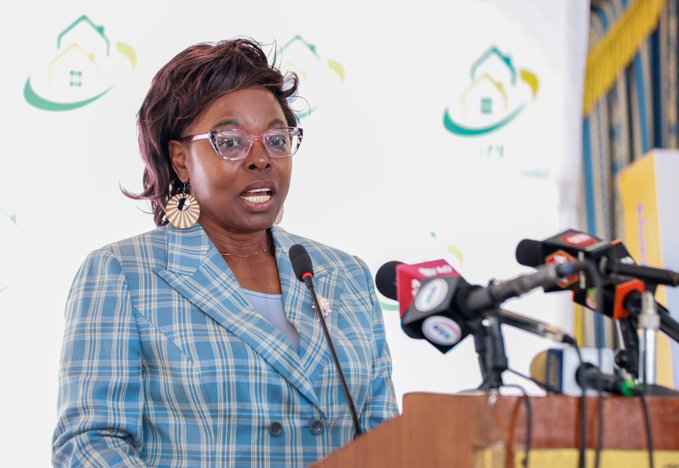
Controller of Budget (CoB) Margaret Nyakang’o has raised concerns over the government’s push for macroeconomic stability, warning that key fiscal reforms remain partial, uneven and insufficiently pro-poor.
Speaking at the launch of Kenya’s 2026 Macro Fiscal Analytic Snapshot by the Institute of Public Finance on Thursday, Nyakang’o said the country’s fiscal efforts need a sharper focus on citizen welfare.
“The gap between policy commitments, budget approvals and actual outcomes remains one of Kenya’s most persistent public finance challenges,” Nyakang’o said.
She points out some of the key areas of concern. While the government has increased allocations to the Primary Health Care Fund and the Emergency, Critical and Chronic Illness Fund, Nyakang’o notes persistent challenges in health financing.
These include delayed reimbursements to health facilities, transparency gaps, uneven protection for vulnerable groups, high out-of-pocket spending, and declining donor support that is not yet fully offset by domestic funding.
Without predictable funding flows, she warns, health reforms risk failing at the point of service delivery.
Nyakang’o also stress that the introduction of Zero-Based Budgeting and the Privatisation Act, 2025, are steps in the right direction, but issues remain regarding revenue optimism, poor sequencing of fiscal consolidation and accountability risks in new financing vehicles.
Gender and social programmes remain particularly vulnerable during fiscal tightening, she notes, emphasising that gender equality and social protection are not optional expenditures, but core obligations of the state.
Additionally, she warns that over-reliance on IMF-supported programmes could further constrain social spending and suppress household welfare.
The operationalisation of the National Infrastructure Fund was also flagged, with concerns that its establishment through the Government-Owned Enterprise Act bypasses parliamentary scrutiny, weakening public oversight.
“On this, it will be necessary to also monitor whether privatisation proceeds that will be channelled to the fund, contrary to the Consolidated Fund, will finance viable and clearly verifiable projects,” Nyakang’o said.
“Social health insurance reforms, meanwhile, require careful tracking to ensure they improve health system performance and advance progress toward universal health coverage,” she added.
Wholesomely, Nyakang’o calls for more credible and realistic budgeting anchored in conservative revenue projections, stronger execution discipline and reforms that protect human development and social spending even during fiscal adjustment.
She emphasises the need for transparent and accountable fiscal reforms that place citizens at the heart of public finance decisions.
“Budgets must do more than balance books; they must deliver dignity, opportunity and resilience.”