
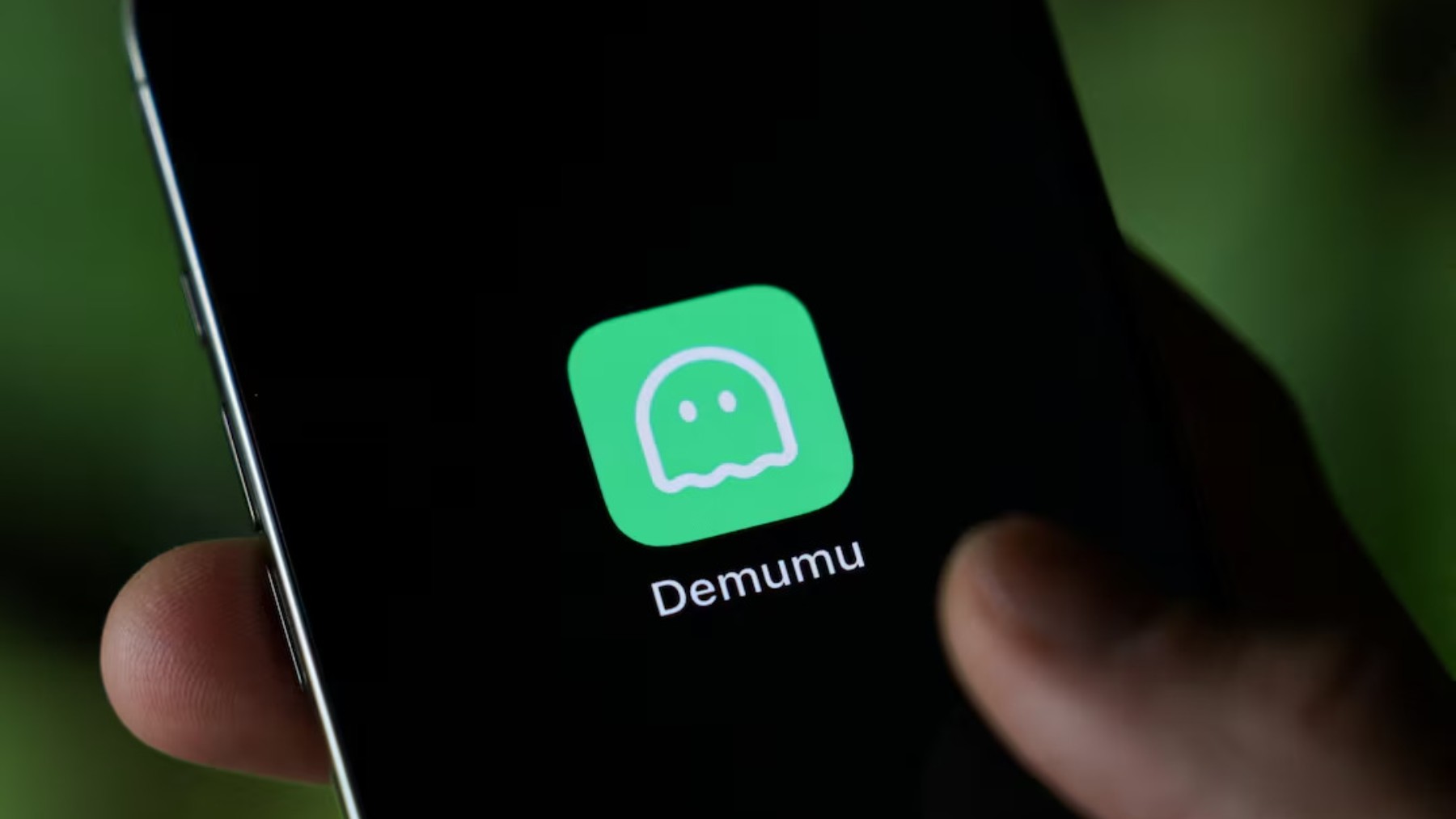
Originally launched in May of last year, the app “Are You Dead?”, known internationally as Demumu, has become a viral phenomenon in China, becoming the most downloaded payment tool in the country. It is a verification system where the user must confirm their well-being every 48 hours. If such notification is not received, an alert is triggered to notify the assigned emergency contact.
It was developed by the young Mr. Guo and his team in Zhengzhou, and its goal is to address a worrying social demand: loneliness. Despite criticism over its name, it is the most downloaded tool among a niche of lonely workers, students, or vulnerable people who fear that something might happen to them and no one will know.
Loneliness in Chinese society
Despite the number of people living in China, one of the main social problems is the feeling of loneliness. Against this backdrop, the app “Are You Dead?” was born, which has become one of the most downloaded paid apps despite its name. The app describes itself as a “safety company companion… whether you’re a solo office worker, a student living away from home, or anyone choosing a solitary lifestyle.” According to the state-run Global Times, by 2030 there could be up to 200 million single-person households in China, which worries the population.
Several users have left their testimonials on the app, among which it could be read: “People who live alone at any stage of their life need something like this, as do introverts, those with depression, the unemployed, and others in vulnerable situations.” Another user added: “There is a fear that people living alone might die unnoticed, with no one to call for help. I sometimes wonder, if I died alone, who would collect my body? Chilling statements that make a social problem evident.
From a low-cost project to a market success
This app originated in Zhengzhou, Henan province, where a group of young people led by Mr. Guo contributed an initial capital of just 1,000 yuan (about $140). Currently, the company is looking to sell 10% of the business for a value of 1 million yuan, highlighting the increase in its worth. Although it was initially free, the app now has a symbolic cost of 8 yuan ($1.15).
Another aspect that has caused a stir is its name. In Chinese, “Si-le-ma” sounds very similar to “E-le-ma,” which is the name of a famous food delivery platform. However, this irony has not been well received by users, who even believe that the current name brings bad luck and have suggested alternatives such as “Are you okay?” or “How are you?” In response, the developing company, Moonscape Technologies, is considering a possible change of commercial identity.
International expansion and focus on the elderly
The app is already ranked among the top paid apps in the United States, Singapore, Hong Kong, Australia, and Spain, under the name Demumu. The company’s next step is to target its use toward the elderly, as more than 20% of Chinese citizens are over 60 years old. In a recent statement, the company made a call for generational empathy: “we would like to call on more people to pay attention to the elderly who are living at home, to give them more care and understanding. They have dreams, strive to live, and deserve to be seen, respected and protected”.
Frequently asked questions
What does the verification system consist of?
The user must confirm their status in the app every 48 hours. If they don’t, the system sends an automatic alert to their emergency contact to notify them that they might be in trouble.
Why is it so popular despite its grim name?
Because it addresses the fear of “lonely death.” With 200 million single-person households expected by 2030, workers and students who live alone use it as an essential safety measure.
What is the cost of the app and where is it available?
It has a symbolic cost of 8 yuan ($1.15). Under the international name Demumu, it already tops the download charts in countries such as Spain, the United States, and Singapore.