
Home » AIRLINE NEWS » Qantas joins Air New Zealand, Fiji Airways, American Airlines, Virgin Australia in Setting for Major Gains as Fiji’s Aviation Reform Supercharges Hotels and Resorts Across Australia, the USA, and New Zealand
Published on
January 25, 2026
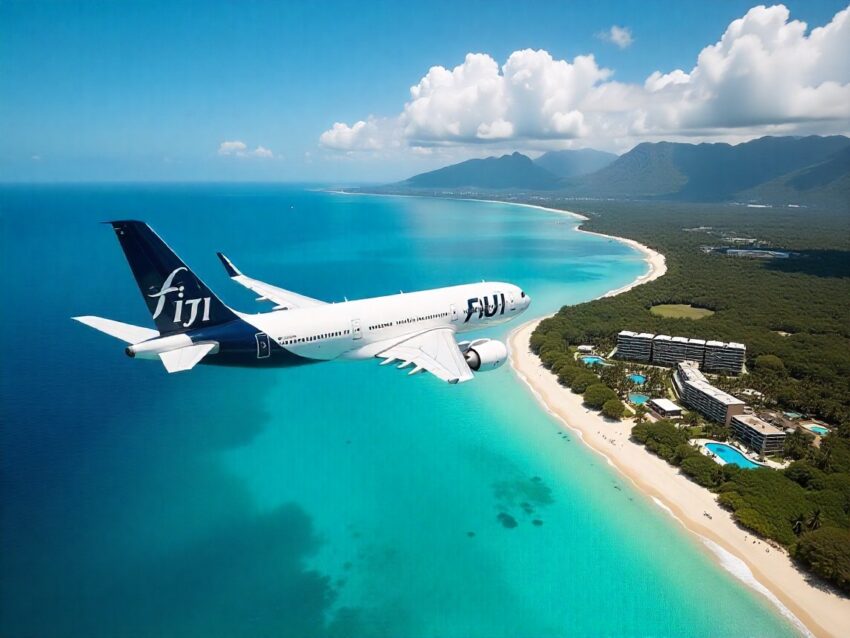
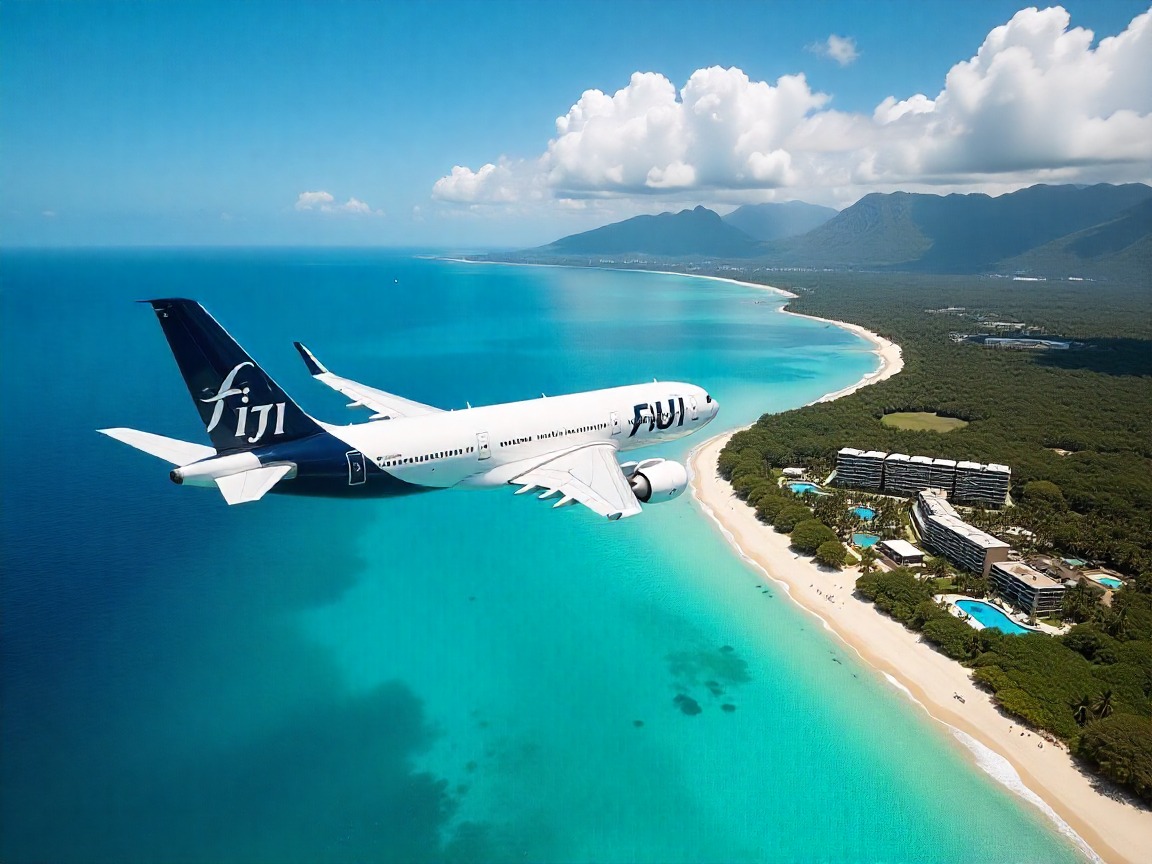
Qantas, Air New Zealand, and Fiji Airways are entering a pivotal moment in South Pacific travel as Fiji’s aviation reforms reshape the way airlines, hotels, and resorts connect with visitors from Australia, New Zealand, and the United States. With Fiji recording close to one million visitor arrivals in 2025 and the vast majority entering the country by air, confidence in aviation safety and regulatory clarity has become a powerful driver of tourism growth. The country’s move to modernise its aviation framework in line with international standards is strengthening trust among global carriers and reassuring travellers who prioritise reliability as much as paradise. For holidaymakers, this shift translates into steadier flight networks, greater connectivity, and a hospitality sector gearing up for sustained demand, from beachfront resorts in the Mamanuca Islands to family-friendly stays along the Coral Coast. As airlines expand schedules and hotels invest in upgraded experiences, Fiji is positioning itself not just as a dream destination, but as one of the Pacific’s most dependable long-haul escapes, where safe skies, seamless arrivals, and warm island hospitality come together at exactly the right time.
Qantas Joins Air New Zealand, Fiji Airways, American Airlines, Virgin Australia
Fiji is entering a new travel era. A modern aviation framework is reshaping how airlines operate, how tourists arrive, and how hotels and resorts plan for growth. For travellers across Australia, New Zealand, and the United States, this shift signals something simple but powerful: easier confidence in flying, stronger connectivity, and a destination doubling down on safety, service, and hospitality.
At the heart of this moment are airlines that already dominate Fiji’s skies. Qantas, Air New Zealand, Fiji Airways, American Airlines, and Virgin Australia are well placed to benefit as Fiji modernises aviation oversight and strengthens global confidence in its airspace.
For travellers, this is not about legal language or policy paperwork. It is about smoother journeys, stable flight networks, and a tourism ecosystem ready for the next wave of demand.
Advertisement
Advertisement
Advertisement
Advertisement
Qantas Joins Air New Zealand, Fiji Airways, American Airlines, Virgin Australia in Setting the Tone for Safer, Smoother Travel
Fiji’s aviation reform responds to internationally recognised safety and oversight benchmarks set by the International Civil Aviation Organization. The updated legal framework focuses on safety regulation, clearer oversight authority, and independent accident investigation. For airlines, this clarity matters. For passengers, it builds trust.
Air travel underpins Fiji’s tourism success. In 2025, the country welcomed nearly one million visitors, the highest annual total ever recorded. More than four out of five visitors arrived by air. This makes aviation reliability the backbone of every beach holiday, honeymoon, dive trip, and family escape.
Advertisement
Advertisement
Qantas and Virgin Australia connect Fiji directly to major Australian gateways such as Sydney, Brisbane, and Melbourne. Air New Zealand maintains strong links from Auckland and Christchurch. Fiji Airways operates an extensive regional and long-haul network, serving Australia, New Zealand, the United States, Canada, Japan, and Asia. American Airlines strengthens access from North America, particularly from the west coast of the United States.
With updated aviation oversight, these carriers operate in an environment aligned with global standards. That alignment supports long-term route planning, codeshare partnerships, and consistent flight schedules. For travellers, it means fewer uncertainties and greater confidence when booking ahead.
Advertisement
Advertisement
Qantas Joins Air New Zealand, Fiji Airways, American Airlines, Virgin Australia as Hotels and Resorts Prepare for Growth
Fiji’s hospitality sector moves in lockstep with aviation. Resorts, boutique hotels, and family-run stays depend on steady air arrivals. With holiday travel accounting for close to 80 percent of all visitors, the hotel industry feels every shift in airline capacity and passenger confidence.
Resort operators across Nadi, the Coral Coast, the Mamanuca Islands, and the Yasawas are already responding to strong demand. Occupancy rates rebounded sharply through 2024 and 2025. New room inventory, refurbished villas, and upgraded dining experiences are appearing across the islands.
For travellers from Australia and New Zealand, Fiji remains one of the shortest international long-haul escapes available. Typical flight times range from three to five hours. From the United States, non-stop services from the west coast make Fiji an accessible South Pacific gateway, often arriving early morning to maximise first-day enjoyment.
Hotels are tailoring experiences to these key markets. Australian and Kiwi travellers favour family-friendly resorts, surf access, and wellness-focused stays. American visitors increasingly seek longer stays, cultural immersion, and multi-island itineraries. Aviation stability allows hotels to design these products with confidence.
Why Fiji’s Aviation Reform Matters to Travellers, Not Just Airlines
For the average traveller, aviation reform may sound abstract. In reality, it shapes everyday travel outcomes.
Clear safety oversight supports airline confidence. That confidence underpins consistent flight schedules. Consistency improves on-time performance and reduces last-minute disruptions. Independent accident investigation enhances transparency, which reassures both airlines and passengers.
Fiji’s approach follows international best practice. Aviation safety is treated separately from aviation security. This mirrors systems in many mature aviation markets. Travellers benefit from a framework designed to evolve with new technologies, increased traffic, and emerging aviation challenges.
For holidaymakers, the result is peace of mind. When booking flights months in advance, travellers value stability. When travelling with families, safety reassurance matters. Fiji’s reforms reinforce its image as a dependable destination in the Pacific.
Airline Networks That Power Fiji’s Tourism Engine
Each major airline plays a distinct role in Fiji’s connectivity.
Qantas and Virgin Australia provide frequency and flexibility from Australia’s east coast. Multiple weekly services connect Fiji to major Australian cities, supporting short breaks and school holiday travel.
Air New Zealand offers strong connectivity from New Zealand, with flight schedules designed for weekend escapes and longer holidays. The airline’s network also links Fiji with onward Pacific connections.
Fiji Airways sits at the centre. Its hub at Nadi International Airport connects regional islands with long-haul routes to North America and Asia. The airline carries a large share of inbound tourists and remains a critical link for resort transfers and domestic travel.
American Airlines connects Fiji with the United States market, one of Fiji’s fastest-growing long-haul segments. US visitors now represent more than one in ten arrivals, and average lengths of stay tend to be longer than regional markets.
Together, these airlines create a resilient network. Fiji’s aviation reform supports that resilience by aligning regulation with global expectations.
What This Means for Australian, New Zealand, and US Travellers
Australia remains Fiji’s largest source market, accounting for nearly half of all visitors. New Zealand follows closely. The United States ranks third and continues to grow in importance.
For Australians and New Zealanders, Fiji’s appeal lies in proximity, familiarity, and value. Direct flights, shared time zones, and strong cultural connections make Fiji an easy choice. Aviation confidence ensures that seasonal capacity can expand during peak periods such as winter escapes and school holidays.
For Americans, Fiji represents a long-haul destination that rewards the journey. Non-stop services reduce travel fatigue. Improved regulatory confidence supports airline investment in consistent schedules and partnerships.
As aviation reform strengthens market access, travellers from Canada, the United Kingdom, China, and Japan also benefit. These markets may be smaller, but they add diversity and resilience to Fiji’s tourism mix.
Hotels and Resorts Respond with New Experiences
Fiji’s hospitality industry is not standing still. Resorts are responding to demand with upgrades and innovation.
Beachfront resorts in the Mamanuca and Yasawa Islands are enhancing sustainability practices and wellness offerings. Coral Coast properties focus on family travel, cultural activities, and accessible pricing. Urban hotels in Nadi and Denarau cater to short stays, business travellers, and transit guests.
Boutique lodges and island stays are gaining popularity among repeat visitors seeking quieter experiences. Aviation reliability allows these smaller operators to market confidently to international guests.
Food and beverage experiences are also evolving. Resorts are highlighting local produce, seafood, and Fijian flavours. Cultural performances and village visits are increasingly integrated into guest programs, adding depth beyond the beach.
Flight Details Tourists Should Know Before Booking
Travellers planning a Fiji holiday should consider a few practical flight details.
Most international arrivals land at Nadi International Airport, Fiji’s main gateway. The airport offers direct access to resorts on Denarau Island, the Coral Coast, and domestic flights to outer islands.
Flight durations are traveller-friendly. From Australia’s east coast, flights typically take around four hours. From New Zealand, around three hours. From the west coast of the United States, flights average ten to eleven hours non-stop.
Many airlines operate overnight services, arriving early morning in Fiji. This allows travellers to reach resorts by midday. Return flights often depart late evening, maximising final-day relaxation.
Travellers should check baggage allowances, especially if planning island-hopping with domestic flights. Fiji Airways and regional carriers offer seamless connections, but light packing helps.
Tourism Growth Brings Economic Confidence
Tourism earnings in Fiji rose strongly through 2025, reflecting higher visitor numbers and longer stays. Hospitality employment continues to expand, particularly in resort regions.
Aviation reform supports this growth indirectly. Strong oversight enhances Fiji’s reputation with airlines, insurers, and international partners. That reputation matters in a competitive global travel market.
As more visitors arrive, hotels invest more. As hotels invest more, experiences improve. As experiences improve, repeat visitation increases. Aviation sits quietly at the centre of this cycle.
Travel Tips for a Smooth Fiji Experience
Travellers can make the most of Fiji with a few simple tips.
Book flights early during peak seasons such as June to August and December. Demand from Australia and New Zealand is strongest during winter months.
Consider combining resort stays with island escapes. Domestic flights and ferries connect Nadi with the Mamanuca and Yasawa Islands.
Allow buffer time for domestic connections, especially when travelling to outer islands. Weather and sea conditions can affect schedules.
Respect local customs. Dress modestly when visiting villages. Learn a few Fijian greetings. Cultural respect enhances the travel experience.
Travel insurance remains essential. While aviation safety standards are strengthening, insurance provides peace of mind for all aspects of travel.
Why Fiji’s Moment Matters Now
Fiji’s aviation reform arrives at a time when global travel demand is strong, but travellers are selective. Destinations must offer not only beauty but reliability.
For airlines like Qantas, Air New Zealand, Fiji Airways, American Airlines, and Virgin Australia, the reforms support long-term planning. For hotels and resorts, they support investment and confidence. For travellers, they support trust.
Fiji is not reinventing itself. It is refining what already works. Clear skies, welcoming culture, and world-class hospitality now sit on a stronger aviation foundation.
For travellers across Australia, New Zealand, the United States, and beyond, the message is clear. Fiji is ready. The flights are steady. The resorts are prepared. The islands are waiting.
