
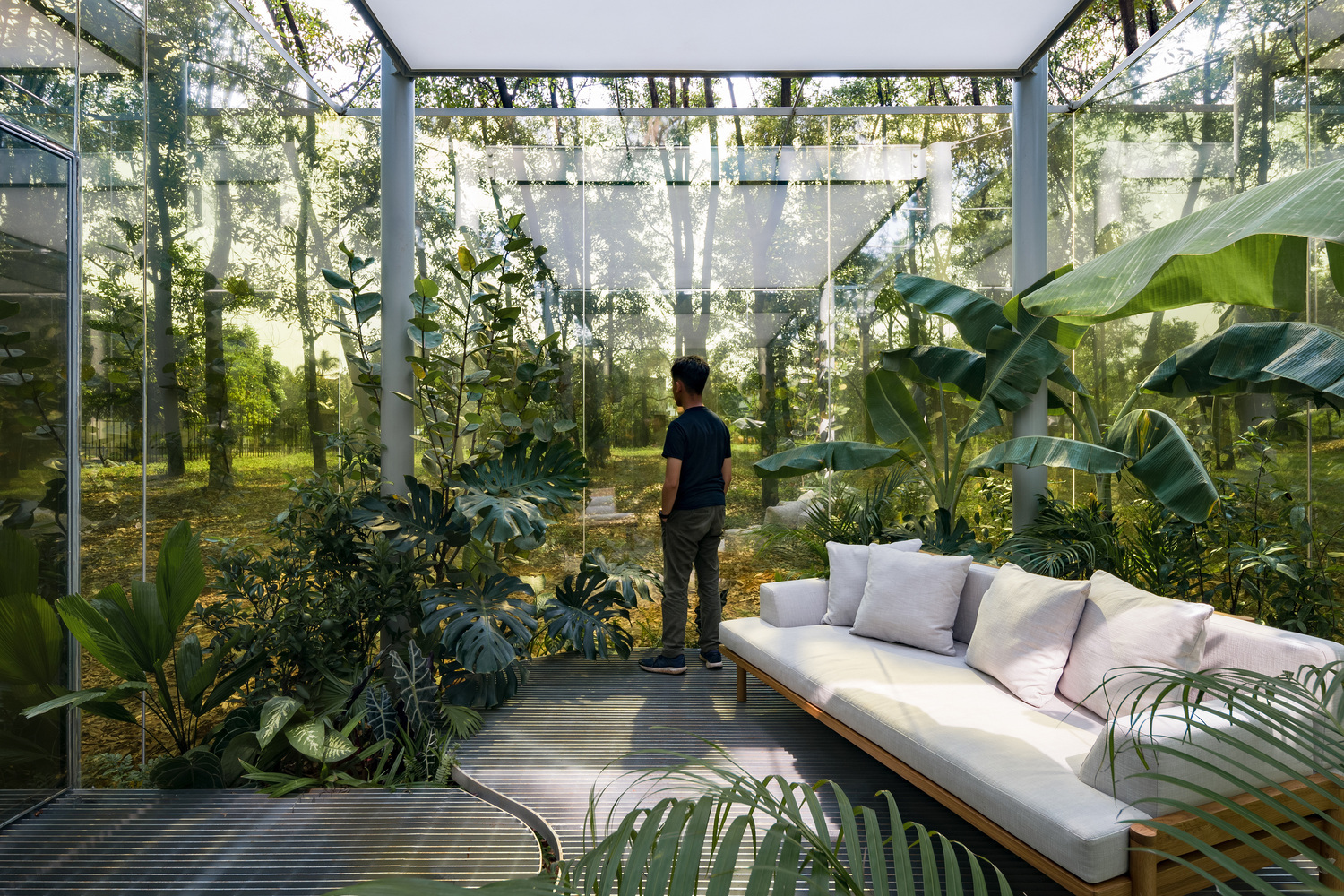
 Room Installation / Tamara Wibowo Architects . Image © Andreas Widi
Share
Or
https://www.archdaily.com/1037865/designing-for-presence-when-architecture-invites-us-to-stay
Architecture is increasingly asked to do less, not more. In environments shaped by constant movement, noise, and expectation, spaces that allow people to stay, pause, and be present have become both rarer and more necessary. Many public and semi-public places are designed to keep people moving, consuming, or reacting, leaving little room for lingering, observation, or simply being without a reason.
In response, a growing body of work is shifting attention away from activation and toward presence. Rather than asking users to interact or participate, these spaces create conditions that support staying. Comfort, continuity, and openness allow people to remain without pressure or obligation, making presence a spatial quality rather than an activity.

Designing for presence reframes architecture as a support for shared awareness and reflection. It asks how built environments can soften attention, slow everyday rhythms, and sustain moments of coexistence without demanding interaction.
Related Article Peter Zumthor: Seven Personal Observations on Presence In Architecture 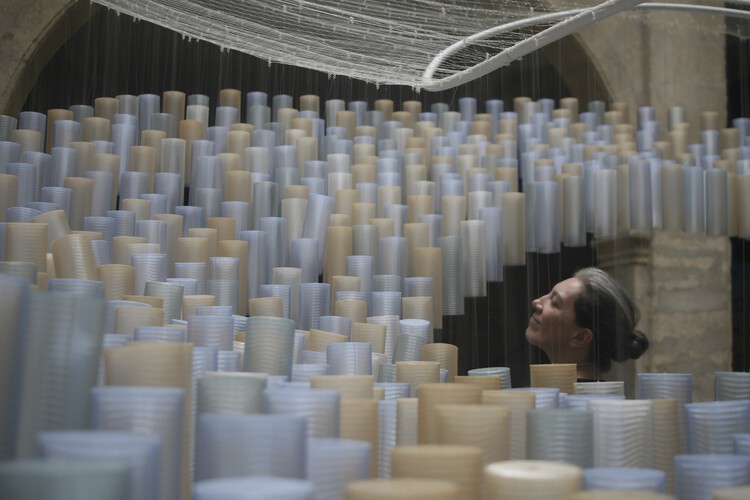 RHUBARB Installation / Atelier DARN. Image Courtesy of Atelier DARNWhy Presence, Pause, and Permanence Matter Today
Certain spaces continue to hold collective value even when they appear inactive. Libraries, reading rooms, shaded patios, and quiet public interiors function not because of what happens in them, but because of how they support sustained presence. They allow people to share space without synchronizing actions or interactions, creating a form of togetherness based on duration rather than exchange.
Similar conditions are explored in projects such as Bojagi Lounge by Izaskun Chinchilla Architects, which frames time spent in nature as a gift, or Le Gardien Pavilion by Collectif REV.L, where simply staying and observing becomes the primary spatial act.
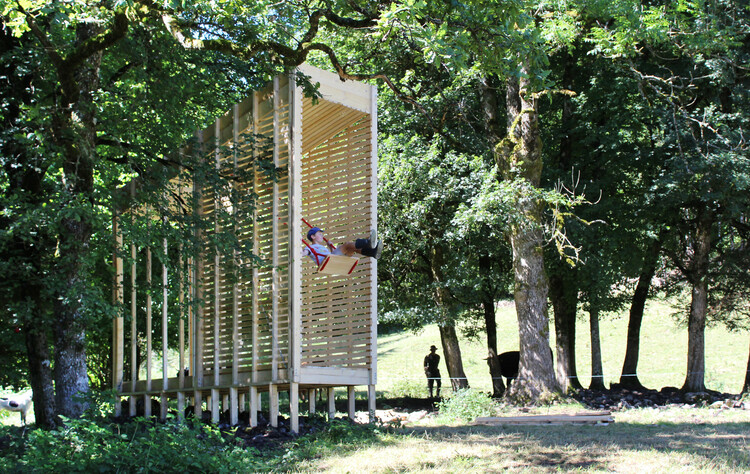 Le Gardien Pavilion / Collectif REV.L . Image © Nicolas Delucinge
In this context, designing for presence reflects a shift in how built environments are evaluated. Rather than measuring success through activity or intensity, attention turns toward how spaces shape perception, awareness, and the willingness to remain. Architecture becomes relevant not by accelerating experience, but by creating conditions that allow people to stay, individually and collectively, without pressure. Presence, in this sense, is not an absence of use, but a spatial quality that enables care, focus, and coexistence to unfold naturally.
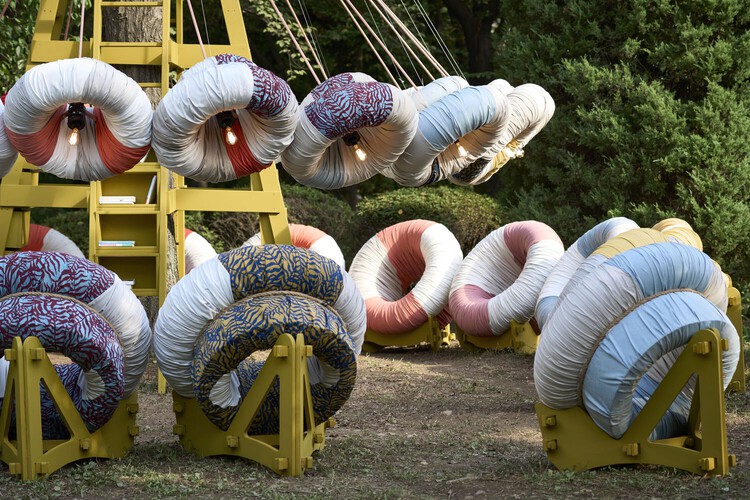 Instalación Bojagi Lounge / Izaskun Chinchilla Architects. Image © DongWoong LeeHow Architecture Is Responding Today
Growing conversations around well-being and care have shifted attention toward how space affects focus and shared presence. In this context, architecture is increasingly understood not as a tool for stimulation, but as an environment capable of moderating pace and supporting quieter forms of coexistence. This shift does not emerge from a single trend, but from a growing awareness of how built environments influence the way attention and everyday experience unfold.
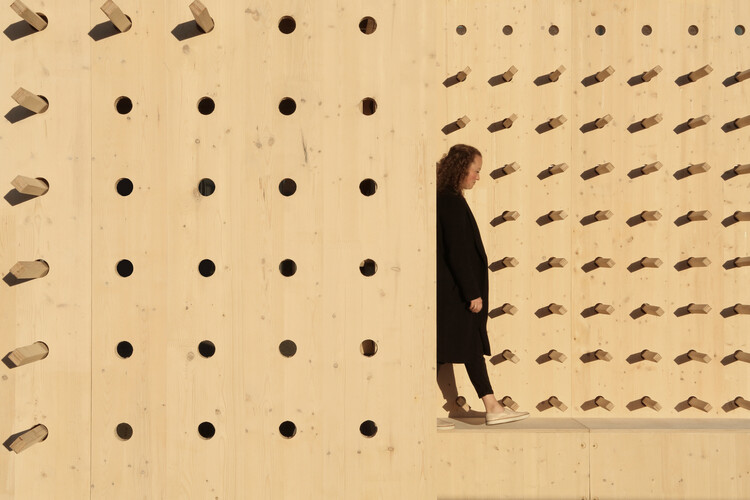 Pause / DBR | Design Build Research . Image © Ema Peter
Recent discussions across architectural media have begun to question the dominance of speed, productivity, and constant activation in contemporary space. Several ArchDaily features explore how spatial conditions influence perception and behavior, showing that environments designed for comfort, continuity, and sensory moderation can change how long people stay and how they experience space. Rather than intensifying activity, these environments operate by reducing pressure, allowing attention to settle and presence to emerge.
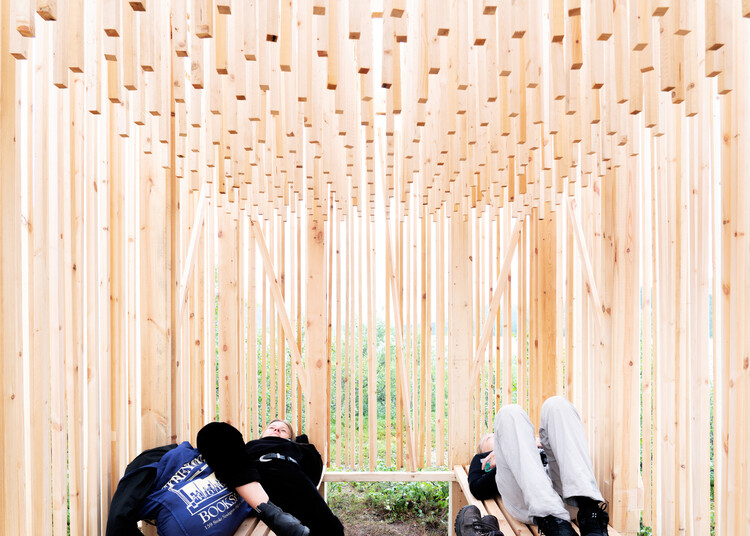 The Waterfall that Went Silent Installation / Umeå School of Architecture. Image © Jonas Eltes
Other coverage has approached this issue through the lens of care. Reflections on healing environments and everyday public spaces point to architecture’s role as a support system rather than a driver of action. Across different contexts, from interiors to open-air settings, emphasis is placed on spaces that tolerate stillness, repetition, and informal use. Care appears not as a visual language or programmatic label, but through spatial decisions that make staying possible without expectation.
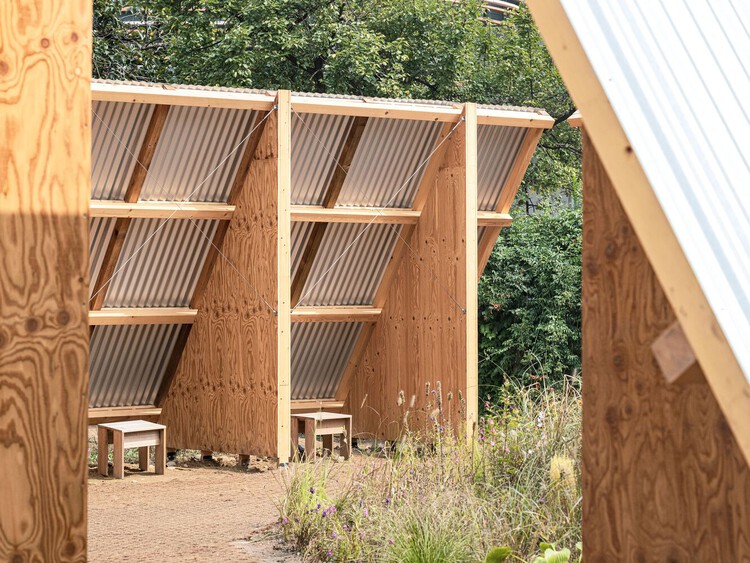 The Outdoor Room Pavilion / salazarsequeromedina + Frank Barkow. Image © Yongjoon Choi
This perspective is also visible in broader editorial conversations that frame quietness and low intensity not as absence, but as active spatial qualities. Spaces that allow observation, shared silence, and unforced presence are increasingly understood as shaping how people relate to one another and to their surroundings, even without direct interaction.
Similar ideas appear within cultural institutions such as the Museum of Modern Art in New York, whose slow looking itineraries invite visitors to remain with a single artwork over time. Rather than encouraging rapid circulation, this approach frames attention and duration as collective values, reinforcing the idea that presence can be sustained without instruction or interaction.
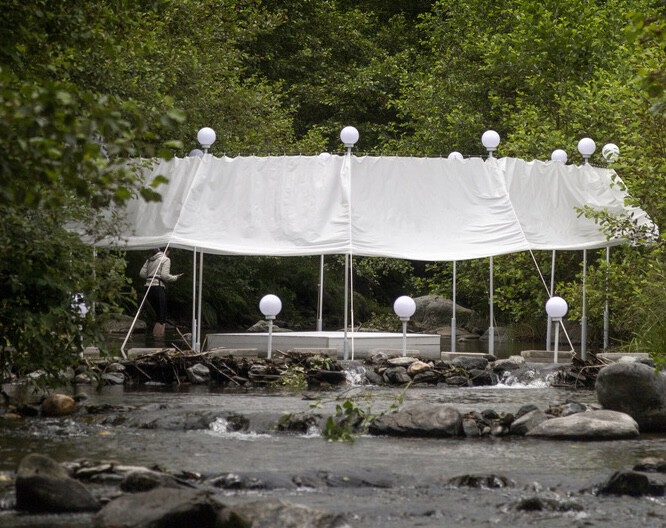 Temporary Installation at a Mountain River / atelier VRAC . Image © Cristian Bădescu
What emerges from these discussions is a shift in how architectural value is measured. Instead of prioritizing activation, attention turns to how spaces sustain attention, support coexistence, and remain usable over time. Designing for presence, in this sense, is less about adding new functions and more about refining the conditions that allow people to remain: attentively, comfortably, and together.
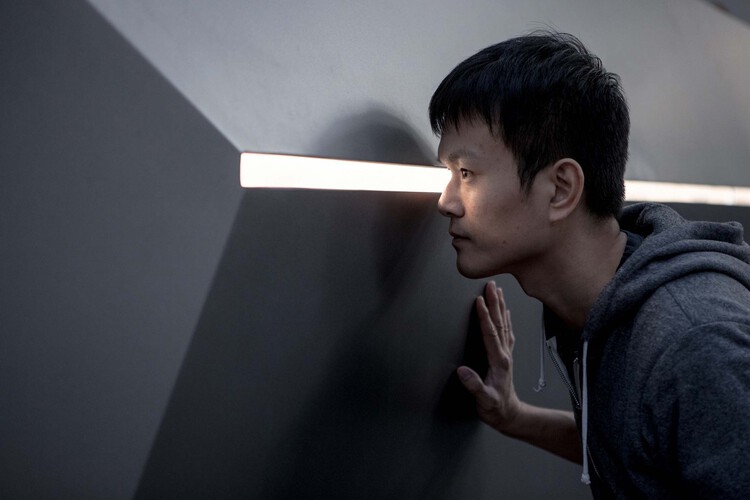 Street-Wall Gallery on Yuyuan Road / Xiang Architects. Image © Di Zhu
This shift is not only visible in discourse but also in how spaces are being shaped. Across recent projects and temporary interventions, architects are experimenting with environments that prioritize staying over passing through. Seating, enclosure, material softness, and framed views are used not to activate space, but to hold attention gently. Here, presence becomes a design outcome, produced through design decisions.
How Presence Takes Shape in Built Space
In practice, designing for presence often begins with small spatial decisions rather than bold formal gestures. Many recent installations and public interventions rely on minimal elements, such as walls, frames, seating, shade, or enclosure, to create environments where people can remain undistracted. These spaces do not demand attention; they allow it.
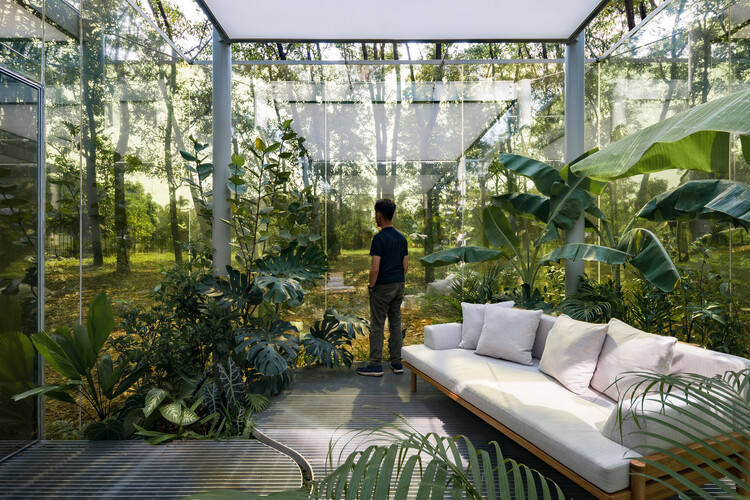
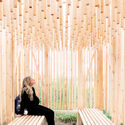
Projects such as Room Installation by Tamara Wibowo Architects or The Outdoor Room Pavilion by salazarsequeromedina and Frank Barkow demonstrate how enclosure and framing can slow perception. By filtering views, softening boundaries, or defining a clear spatial edge, these environments encourage people to stay, observe, and become aware of their surroundings. Presence emerges not through interaction, but through spatial containment and visual focus.
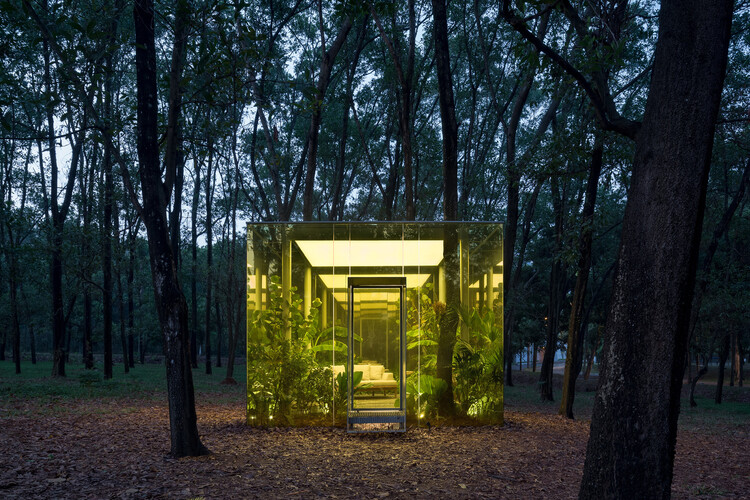 Room Installation / Tamara Wibowo Architects . Image © Andreas Widi
Other works approach presence through sensory reduction. Installations like The Waterfall That Went Silent by Umeå School of Architecture or Periscope Hut by ELSE create quiet environments where sound, light, and movement are carefully limited. In these spaces, architecture works by removing stimuli rather than adding them, allowing visitors to experience stillness, reflection, and shared silence.
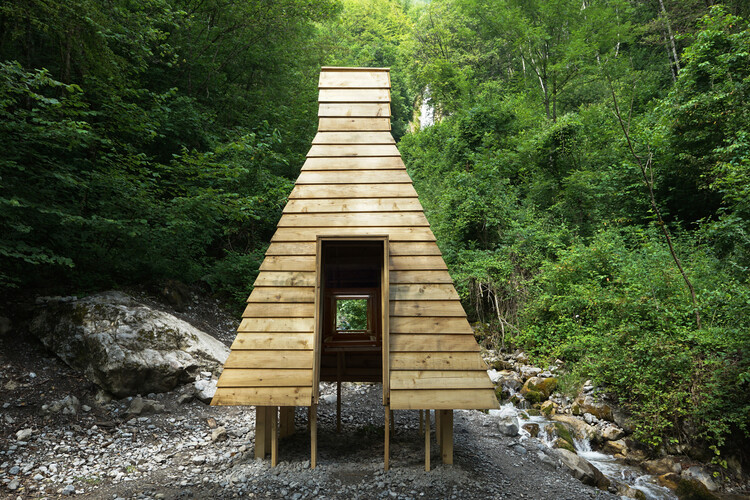 Periscope Hut / ELSE. Image Courtesy of ELSE
Designing for presence suggests a shift in how architecture defines its role within everyday life. By allowing people to stay without expectation, these spaces position architecture as a framework for shared awareness, one that values duration and attentiveness over constant activation. As cities continue to accelerate, this approach raises an open question: how might architecture continue to create room for being, not as an exception, but as an essential part of collective life?
This article is part of the ArchDaily Topic: Coming Together and the Making of Place. Every month we explore a topic in-depth through articles, interviews, news, and architecture projects. We invite you to learn more about our ArchDaily Topics. And, as always, at ArchDaily we welcome the contributions of our readers; if you want to submit an article or project, contact us.