
HMRC has written to hundreds of thousands of people over the error but some say they thought it was fake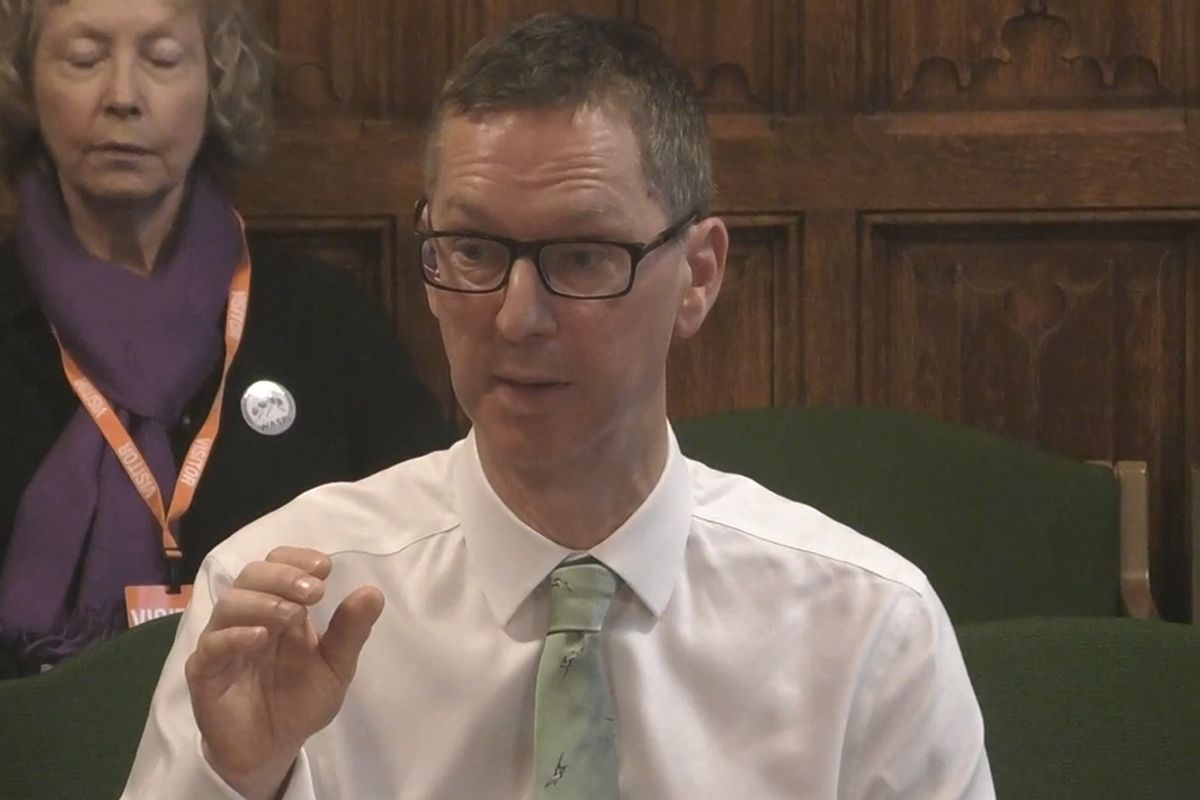
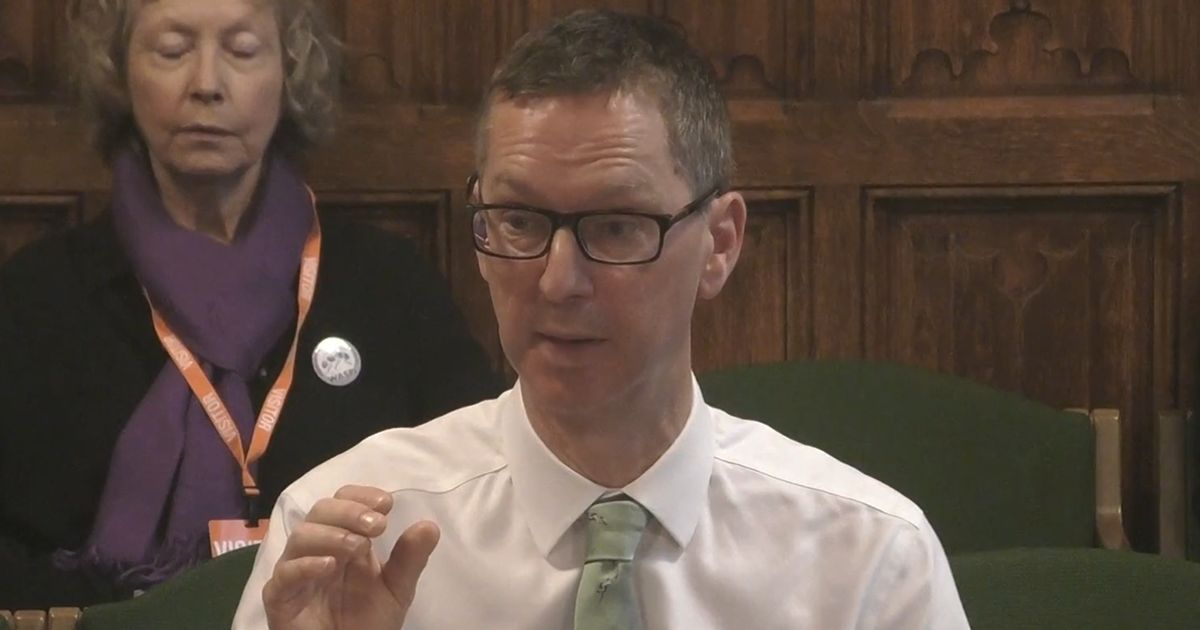
DWP permanent secretary Peter Schofield spoke to MPs about his department’s work(Image: Parliament TV)
The DWP has called on state pensioners to check whether they are entitled to thousands of pounds in back payments. The department said that “very few people” have stepped forward to submit a claim, despite the average arrears payment to being more than £8,000. The matter came to light after the discovery of a historical mistake showing that many claimants may have been short-changed.
DWP permanent secretary Peter Schofield informed MPs that he is concerned many state pensioners are still losing out on “the money that they are entitled to”. This comes despite HMRC sending out letters to some 370,000 claimants who may be due back payments.
The issue stems from a historical problem where Home Responsibilities Protection (HRP) was missing from people’s National Insurance (NI) records. HRP was added to a person’s NI record to ensure they continued receiving NI contribution credits while out of employment due to caring duties, such as childcare or supporting an ill or disabled relative.
Officials discovered that many people were missing HRP on their record, resulting in their state pension entitlement being lower than it ought to be. The problem is believed to predominantly impact women but may also affect other carers.
Following the discovery of this significant mistake, the DWP and HMRC worked together to check people’ records and determine who might be affected. HMRC sent letters to 370,018 people encouraging them to submit applications for HRP, so it could be added to their NI record.
 State Pensioners to face major tax change
This could potentially result in back payments from the DWP as well as an uplift in your weekly state pension amount. However, Mr Schofield informed the Work and Pensions Committee recently [January 21] that disappointingly few people have stepped forward to claim their outstanding money.
DWP statistics as of March 2025 revealed just over 67,000 applications were submitted to HMRC, with merely 21,878 cases transferred to the DWP for processing. Ultimately, just 12,379 cases received arrears payments, totalling £104million distributed.
The average arrears payout was £8,377. While this specific outreach campaign to contact affected people has concluded, Mr Schofield told the committee that they remain prepared to pay claimants what is rightfully owed.
‘We have not given up’
He said: “I want to reassure you we have not given up on the efforts. It is just that the number of people coming through was much lower than we had anticipated it being, and therefore holding those staff ready, waiting for cases that did not come in, given the other pressures that we have under way, did not make operational sense. However, the door is still open.”
The senior official explained that the department had carried out research to understand why eligible people were not coming forward. He said: “That suggested that unfortunately some people did not believe the letter, so HMRC did a load of work to reassure people about the letter.
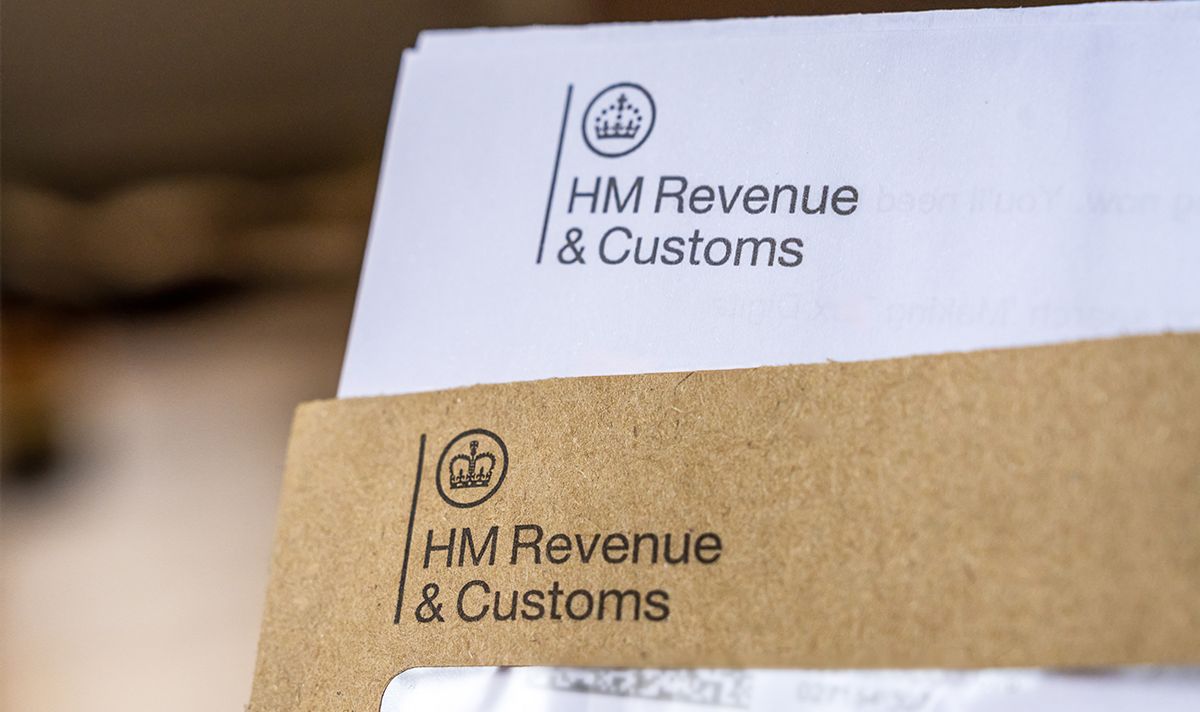
HMRC wrote letters to some 370,000 people who could be owed state pension payments(Image: Getty)
“It put things on its website to say, ‘If you get a letter like this, this is not a scam’, but people did not necessarily believe it.” He also explained that some people who did hear they could be affected still chose not to claim.
Mr Schofield said: “Some people said, ‘Well, look, I am perfectly happy with the income I have’. Maybe some people were worried that if they got more state pension it would affect their Pension Credit entitlement and, therefore, their access to other benefits as a result.”
“Other people just said, ‘This is such a long time ago. I do not really want to come forward to claim the money that I am entitled to’.”
Who could be affected by the state pension missing HRP issue?
The matter concerns people who may have qualified for HRP during the period spanning 1978 to 2010. HRP should have been automatically added to your NI record if, between April 6, 1978 and April 5, 2010, you received either Child Benefit for a child under 16 or Income Support due to caring for someone who was sick or disabled whilst being unavailable for employment.
Unfortunately, this was not added to some people’s NI records as it should have been. That said, if you applied for HRP after 2000, this won’t impact you, as you had to include your National Insurance number on forms from that point onwards.
Mr Schofield said the DWP still wants people to collect their rightful back payments. He said: “We continue to work on this. The system is ready to go. When people do claim, if people come forward, people are there to deal with the claim.
“We are doing everything we can, and I want to reassure the committee that the LEAP [Legal Entitlements and Administrative Practice] exercise, in terms of standing a large number of people ready to go, has ended but the access to this system is there and will continue to be so.” You can apply for HRP on the Government website.
For the latest money saving tips, shopping and consumer news, go to the new Everything Money website.