
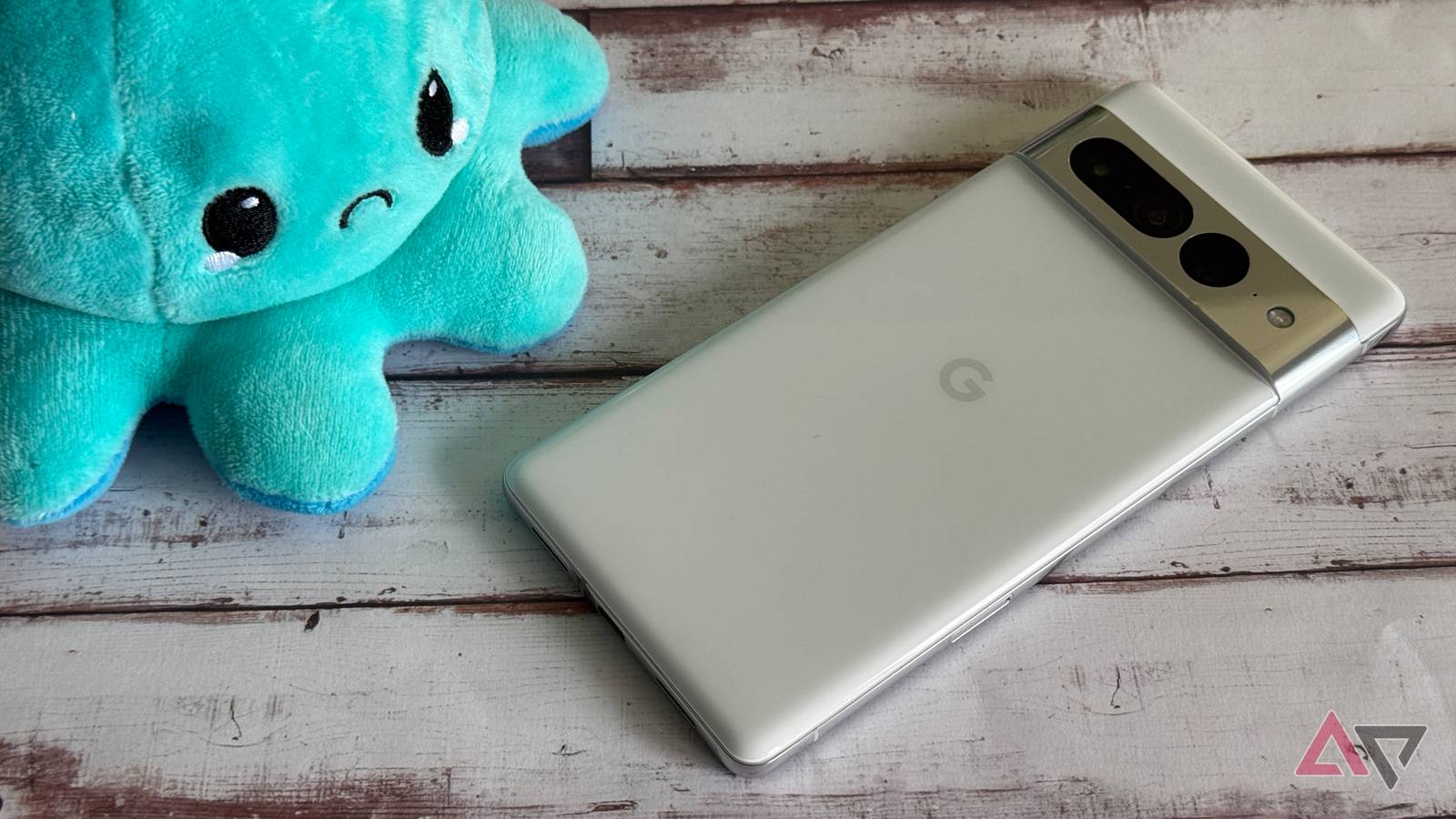
I woke up to reports of a problem with the latest Pixel software update. It immediately brought back memories of faulty software on my Pixel 6, with Wi-Fi and Bluetooth issues plaguing users for months.
This latest issue stems from the January patch, with users complaining of Wi-Fi that disconnects and won’t even scan for networks, and unreliable Bluetooth connections.
There’s always background noise whenever a new update is released, with some users experiencing intermittent problems.
However, this latest issue appears to be more widespread. Google would be wise to get out in front of any software issues.
The company has built up plenty of goodwill with solid hardware and software in the last few years, but it wasn’t that long ago that things were different, and Google’s software was seen as a liability to many buyers.
Related
I’ve had enough — Google still has these 5 Pixel problems to sort out in 2026
My Pixel wish list for 2026
The Pixel 6 made me not want to use a Pixel ever again
Software issues crushed the phone
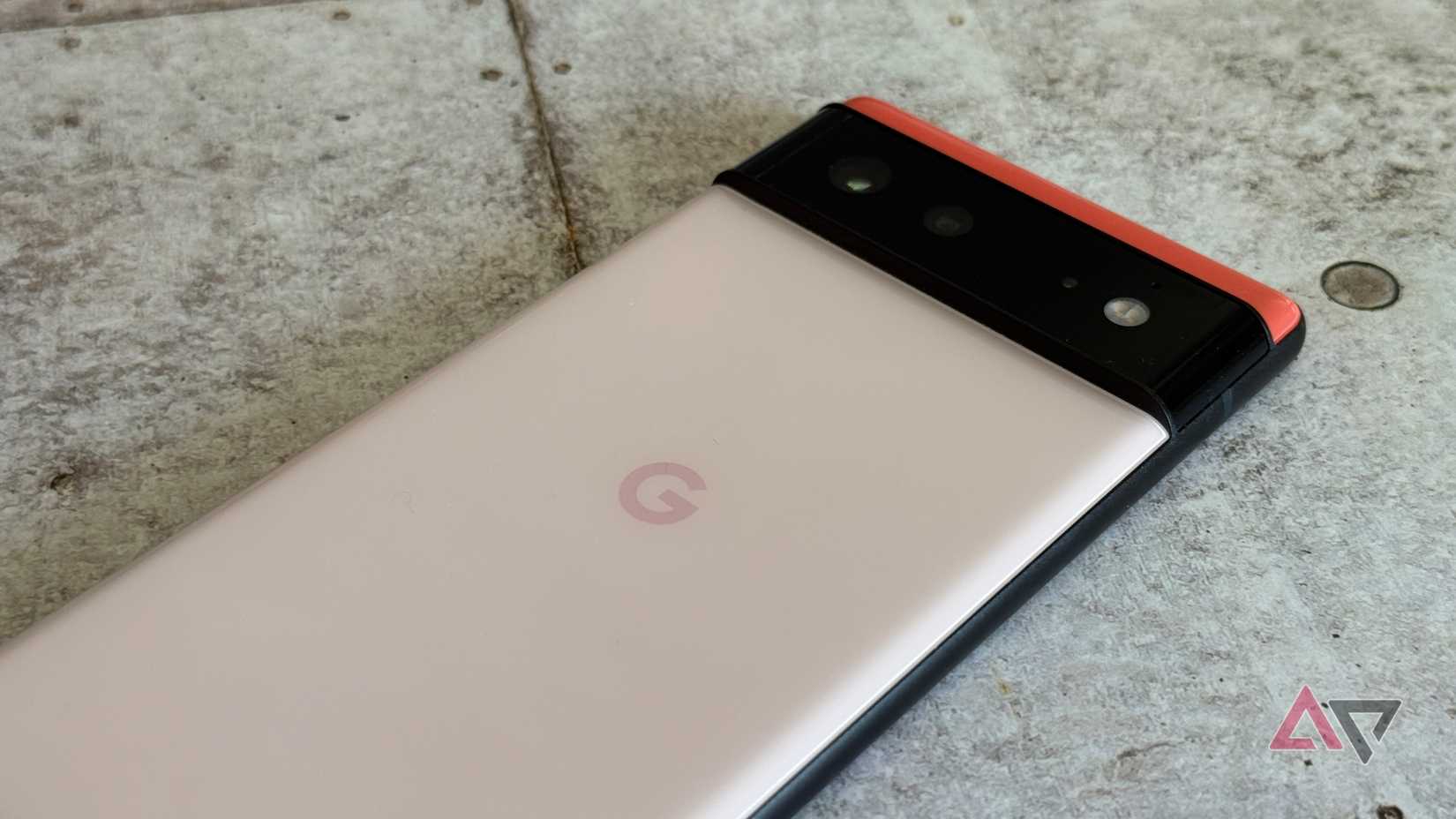
I’ve never been more disappointed with a smartphone than the Pixel 6. It completely soured me on Google’s smartphones for two years, and most of the issues were avoidable.
It was a poor marriage of hardware and software, and Android 12 wasn’t ready for primetime.
Thankfully, I never encountered the Wi-Fi and Bluetooth issues that many others did, but my fingerprint sensor only worked half the time, and I had to do several hard restarts a day after crashes.
Google didn’t address most of the issues for two months, leaving users with faulty phones while the company worked on a fix.
Overheating Tensor chipsets didn’t help, and the entire experience was unpleasant.
The Pixel 7 was lackluster, and consumer confidence in Google phones dropped.
A Statista Consumer Insights survey from the period found that 57% of Pixel owners said they were very likely to switch brands with their next purchase.
Something needed to change, and it did.
Google turned a corner with the Pixel 8
Hardware and software became reliable
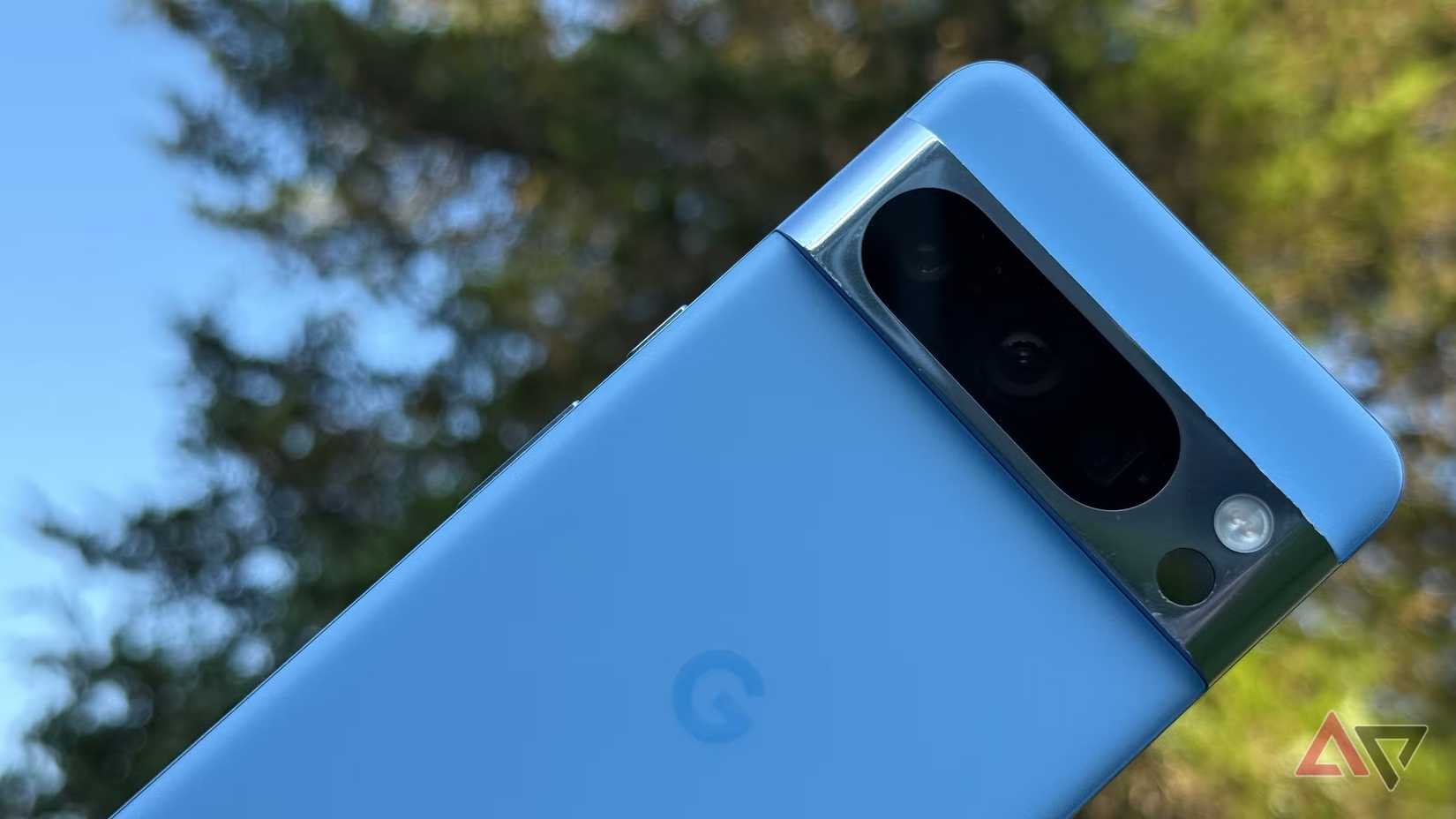
It felt Google was rudderless with its phone hardware until the Pixel 8.
For the first time in a while, the company had a cohesive design to work off of, and its software felt right.
I wasn’t holding my breath every month, waiting to see what would be broken by the latest patch or Pixel Feature Drop.
Most of the overheating issues were resolved with the Tensor G3, and I was truly impressed by the Pixel’s battery life for the first time.
The Pixel 9 and 10 series followed up on that success, and Google’s done a wonderful job of rebuilding confidence in the Pixel brand.
I recommend the Pixel 10 to first-time Android buyers, and Material 3 Expressive is the best Android software I’ve used in a long time.
It’s intuitive, but more importantly, it runs smoothly. I don’t experience crashes and hiccups, problems that I used to have daily with Google’s older software.
Everything seemed headed in the right direction, and I haven’t had to complain about Google’s missteps in a while.
I hope that trend doesn’t reverse, but today’s news is unsettling.
Wi-Fi and Bluetooth are mission-critical features
Updates can’t break the way we communicate
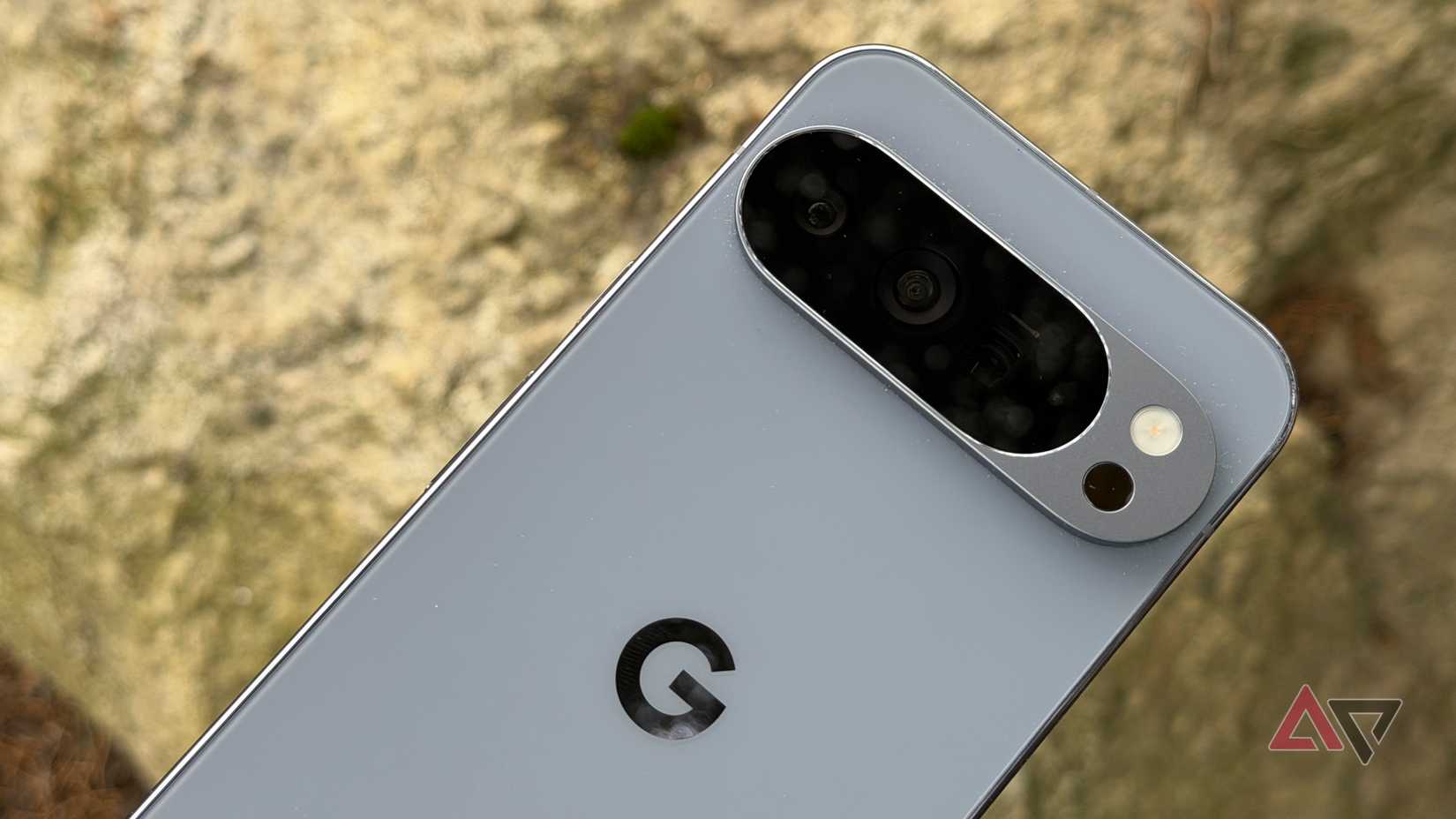
Pixel update issues used to frustrate me more than software problems with other manufacturers because they often interrupted communication.
Wi-Fi is a must-have for so many people, especially if you’re on a limited data plan.
Bluetooth is how our phones communicate with the tech around us, whether it’s our smartwatches or cars.
It’s the reason why we have a smartphone in our pockets to begin with, so anything to do with communication has to be solid 100% of the time.
My Pixel 7a had a modem issue where it wouldn’t effectively switch from 5G to 4G LTE when the signal was weak. I lost messages because of it.
That can’t happen. It’s not ideal, and Google would still catch grief, but if there is even a hint that an update could cause issues with Wi-Fi or Bluetooth, it shouldn’t be released.
The January update was delayed as it was, and I’d hate to think it’s because Google knew there was a potential issue.
It wasn’t that long ago that people didn’t trust Pixels
Google’s worked too hard over the last few years to turn things around.
The company has the best plan for AI on smartphones I’ve seen, and Material 3 Expressive is a significant step in the right direction for Android software.
However, updates matter, especially if you’re selling phones with promises of seven years of support.
Unfortunately, as we’ve seen, past trends are not a measure of future performance — and Google needs to get a handle on any software issues.