January 28, 2026
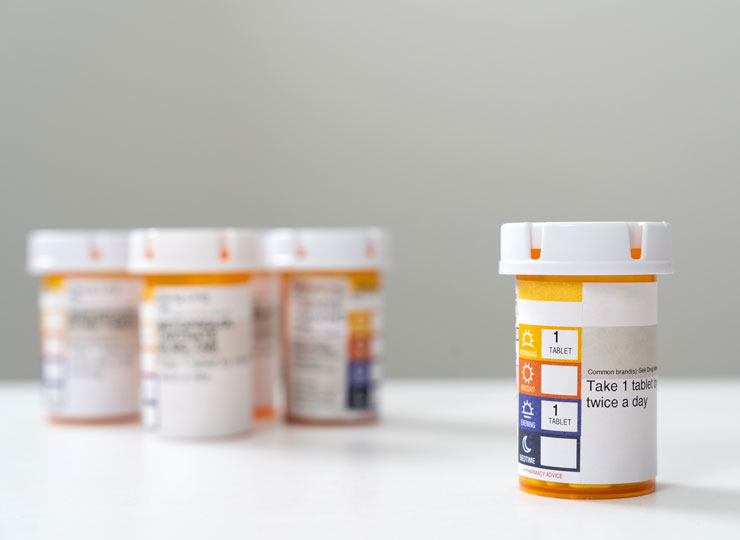
One in four older Americans with Alzheimer’s disease are prescribed risky medications they may not need, according to a new report. The drugs put them at increased risk of falls, disorientation and hospitalizations and may increase the risk of premature death.
The study, from researchers at the University of California, Los Angeles, looked at Medicare prescription drug records for nearly 5,000 older men and women who were part of the large and ongoing Health and Retirement Study between 2013 and 2021. They found that those with Alzheimer’s disease or other forms of dementia were much more likely than their cognitively normal peers to receive the risky drugs.
The researchers focused on drugs that affect the central nervous system and that may have harmful side effects including an increased risk of falls and delirium. They included certain antidepressants, including older tricyclic antidepressants like amitriptyline and doxepine; antipsychotics, such as quetiapine, which goes by the brand name Seroquel, and olanzapine (Zyprexa); barbiturates, such as phenobarbital and pentobarbital (Nembutal); benzodiazepines, such as diazepam (Valium) and alprazolam (Xanax); and non-benzodiazepine hypnotics, often called Z-drugs, such as zolpidem (Ambien), zaleplon (Sonata) and eszopiclone (Lunesta).
These sedative and antipsychotic drugs are often prescribed to people with Alzheimer’s disease to ease symptoms like agitation, aggression and wandering and to promote better sleep. However, for many years, the American Geriatrics Society and other medical groups have cautioned they have potentially deadly side effects and are over-prescribed in seniors, including those with dementia.
Overall, prescribing of potentially inappropriate drugs that affect the central nervous system (CNS) among older Medicare beneficiaries declined modestly from 2013 to 2021, from 20 percent to 16 percent. Still, about one in four of those with Alzheimer’s disease or other forms of dementia continued to receive the drugs, even though they may not have had a medical condition that indicated they should be prescribed them.
“While this decline was encouraging, over two-thirds of patients receiving these prescriptions lacked a documented clinical indication in 2021, the end of the study period, suggesting high levels of potentially inappropriate and harmful prescribing,” said Dr. John N. Mafi, the study’s senior author and an associate professor-in-residence of medicine at the David Geffen School of Medicine at UCLA. “Compared with patients with normal cognition, we found higher levels of prescribing among older adults with cognitive impairment, who face a higher risk of adverse effects from these drugs.” The findings were published in JAMA, a medical journal from the American Medical Association.
Experts recommend that all patients and their families review current medications with their doctors to be sure the medicine is still needed.
“While CNS-active prescriptions may be appropriate in some cases, it is important for older patients or their caregivers to work closely with their physicians to ensure that these medications are appropriate to their cases,” said study leader Dr. Annie Yang, who is now at Yale. “When inappropriate, patients and their care teams should consider alternative treatments and consider whether it might be safe to taper or stop the medication.”
Experts say that agitation and other symptoms for which antipsychotics and other potentially harmful drugs are prescribed may be caused by an underlying condition such as pain. Finding and treating any underlying conditions is therefore critical.
Other research has found that massage, touch therapy, exercise, music therapy and other non-drug treatments can be effective ways to reduce aggression and agitation in people with Alzheimer’s disease. In many cases, these non-drug therapies should be given priority as a first course in treating disruptive behaviors in people with dementia, before drugs are tried.
If you are caring for a loved one with Alzheimer’s, it is important to be aware of potential side effects of prescribed drugs and to read any boxed warnings carefully. Review the list of medications that a loved one is on regularly with your doctor and consider discontinuing any drugs that may no longer be needed.
By ALZinfo.org, The Alzheimer’s Information Site. Reviewed by Eric Schmidt, Ph.D., Fisher Center for Alzheimer’s Research Foundation at The Rockefeller University.
Source: Annie W. Yang, MD; Mei Leng, MS; Dan P. Ly, MD, PhD, MPP: et al: “Prescribing Patterns of Potentially Inappropriate CNS-Active Medications in Older Adults.” JAMA, January 12, 2026