
By Aaron Blake, CNN
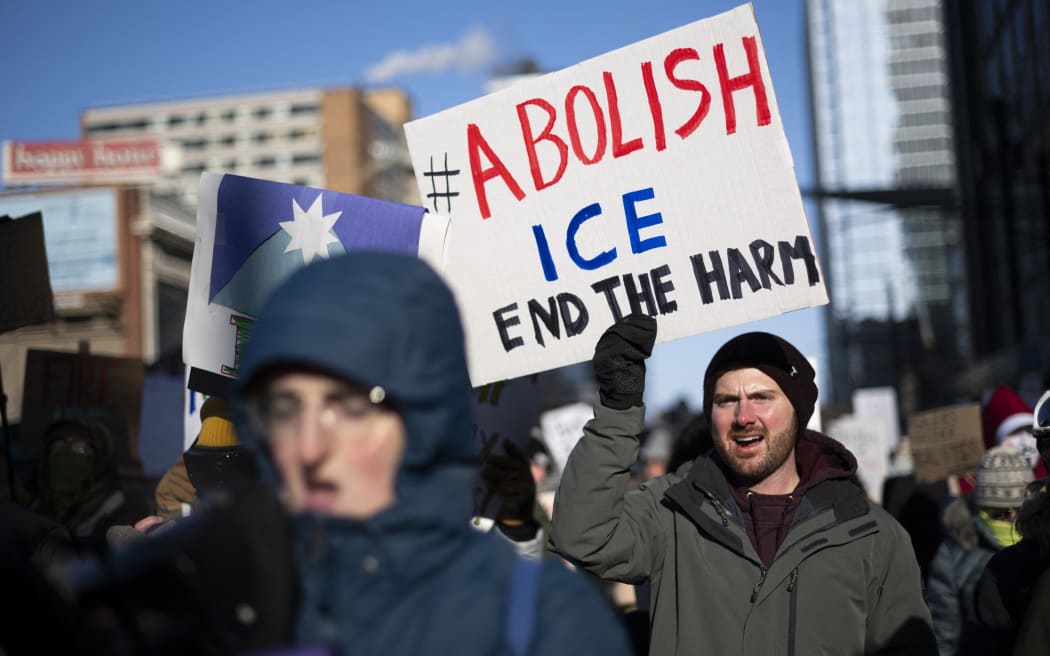
Protesters against Immigration and Customs Enforcement (ICE) march through the streets of downtown Minneapolis, Minnesota, on January 25, 2026.
Photo: ROBERTO SCHMIDT/AFP
Analysis: Even after a press conference Thursday morning from the new leader of President Donald Trump’s immigration crackdown in Minneapolis, Tom Homan, it’s still not clear exactly how much the mission will change in the aftermath of Alex Pretti’s killing.
But what’s abundantly clear is that the administration is scared of the politics of ICE and its immigration enforcement operations right now.
A number of new developments – not just in Minneapolis, but also in Maine and Washington, DC – speak to that.
Even as Homan is signaling there will be a softer, more focused and by-the-books effort and fewer agents in Minneapolis, we got word Trump is pulling out of the other state where he’s launched a similar immigration enforcement effort.
Meanwhile, the White House and Republicans seem to be preparing to make significant legislative concessions on immigration enforcement to prevent a government shutdown.
Much has yet to play out. But let’s break down where we’re at.
Homan’s press conference
The big question right now is what happens on the ground in Minneapolis.
Homan’s press conference Thursday was light on specifics, but heavy on suggestions of a new course.
Perhaps the biggest news was that Homan said there would be a “drawdown”. He didn’t say how big or how soon; he instead said the plan is currently being worked on. But he did signal it would happen at least to some extent regardless of conditions on the ground.
“Yes, I said it,” he said: “Draw down the number of people here.”
“The drawdown is going to happen, based on these agreements,” he added. “But the drawdown can happen even more if the hateful rhetoric and the impediment and interference will stop.”
Homan also repeatedly emphasised that operations would be “targeted” and focused on safety and national security risks – which would suggest the government is less interested in broad sweeps and stopping random people.
Of course, the administration has long insisted that its enforcement actions are “targeted.” But Homan said his approach would be different, noting the effort “got away from” that targeted approach “a little bit.”
And he made a series of comments that seemed intended to break with the administration’s previous no-apologies, never-back-down posture.
“I do not want to hear that everything that has been done here has been perfect,” Homan said at one point. He added that agents who don’t act with professionalism “will be dealt with” and that the operation would be “safer” and “by the book”.
That could be read as a rebuke to the ousted head of the Minneapolis operation, Gregory Bovino, who said last week that “everything we do every day is legal, ethical, moral, well grounded in law”. It could even be read as a corrective of White House adviser Stephen Miller, who earlier this month claimed ICE had “a flawless track record of deporting non-citizens.”
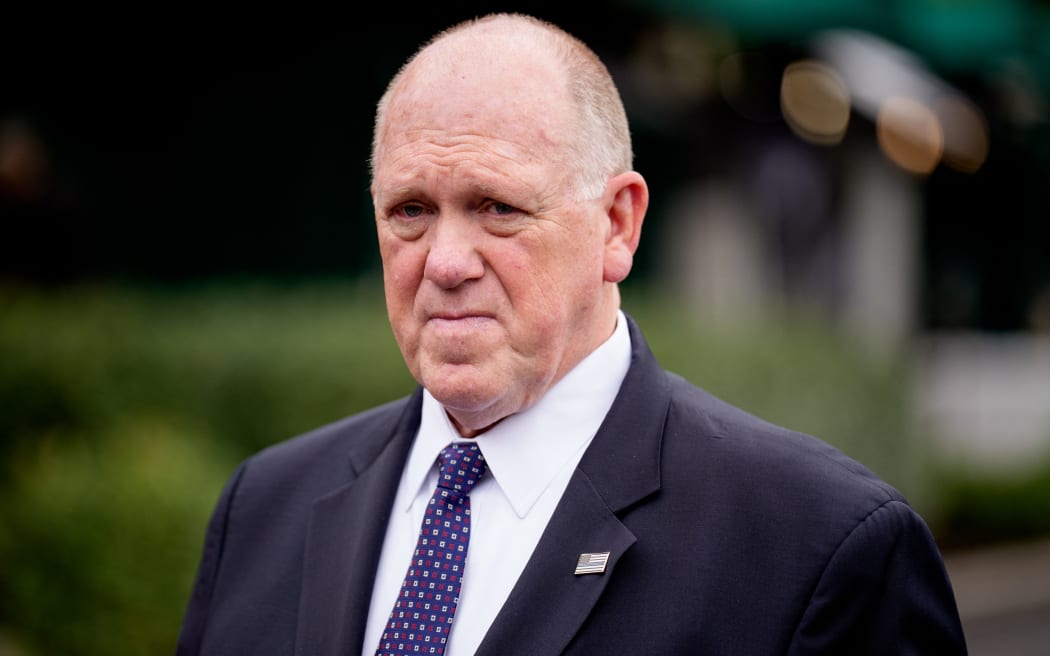
White House border czar Tom Homan.
Photo: AFP/ANDREW HARNIK
On the flip side, Homan at least notionally tried to combat the idea that this was a capitulation. He repeatedly criticised the protesters’ rhetoric – while acknowledging their right to protest – and said the administration was “not surrendering” its mission.
“I’m staying till the problem’s gone,” he said.
We’ll have to see how much changes in the hours and days ahead. But it’s telling that the administration at least feels the need to signal this softer touch.
And given all the cameras trained on what its agents are doing, it’ll be pretty easy to tell if it was just rhetoric.
Pulling out in Maine
On a related note, Republican Sen Susan Collins of Maine announced Thursday morning that ICE was suddenly ending its recently ramped-up efforts in her state, which, like Minnesota, has a sizeable Somali population.
Collins had urged ICE to do that in both Maine and Minnesota.
It was always a bizarre move for the administration to choose Maine, given Collins is hugely important for their efforts to hold the Senate in this year’s midterm elections. ICE being there risked a backlash.
The new announcement suggests the administration has come to the realisation that this wasn’t a great idea, however belatedly.
The mission was announced just eight days ago.
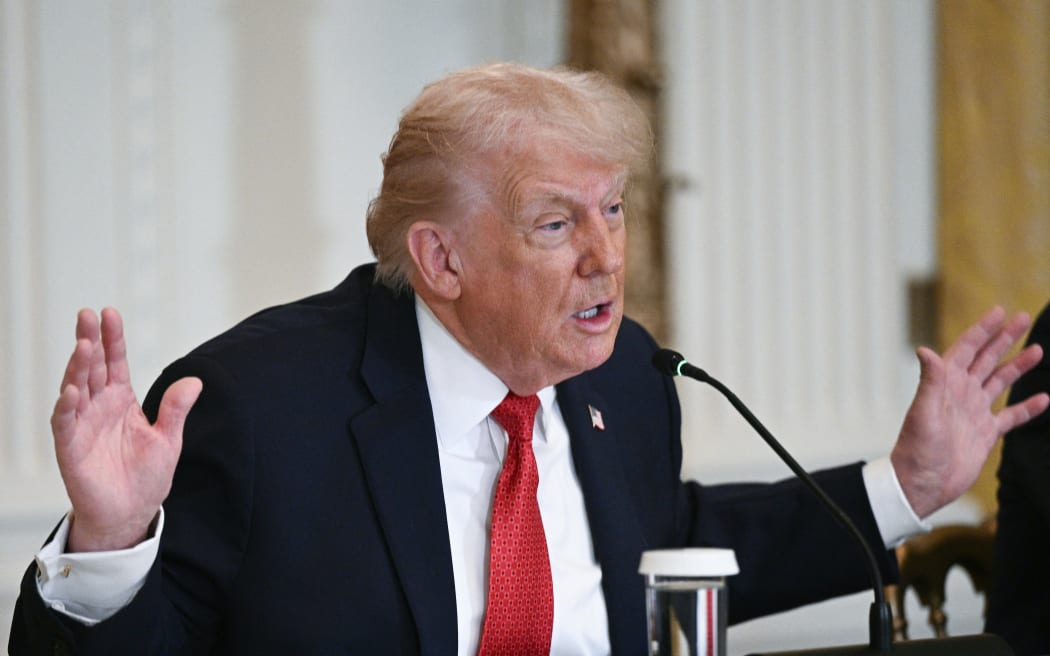
US President Donald Trump speaking on 16 January, 2026, during a meeting on rural health care investments, in the East Room of the White House.
Photo: AFP/ Brendan Smialowski
The funding bill in Washington
Perhaps most striking have been the machinations in Washington, where the White House and Republicans appear unusually amenable to making concessions to Democrats.
CNN’s Manu Raju and Jeff Zeleny reported late Wednesday that the White House was moving towards’ Democrats’ demands to cut out DHS funding from the current larger spending package ahead of a possible government shutdown this week. That would allow for negotiations over restricting ICE’s tactics to continue in the weeks ahead.
Republican leaders earlier this week had dismissed the idea of splitting up the funding bill, but Democrats – whose votes are required to overcome filibusters in the Senate – have played hardball. Even the centrists who gave in at the end of shutdown late last year have projected a united front with leadership and rejected the White House’s efforts to negotiate separately with them.
None of it means the White House and Republicans are going to give Democrats all the policy changes they want. (Senate Minority Leader Chuck Schumer laid out a number of demands Wednesday, including restricting roving patrols and agents’ ability to use force, as well as requiring body cameras and banning masks.)
But there is a clear sense that Democrats have much of the leverage right now. Republicans aren’t even talking very tough.
Democratic Sen. Brian Schatz of Hawaii said that Republicans “seem to understand the gravity of the situation societally, and I’m confident we can land it.”
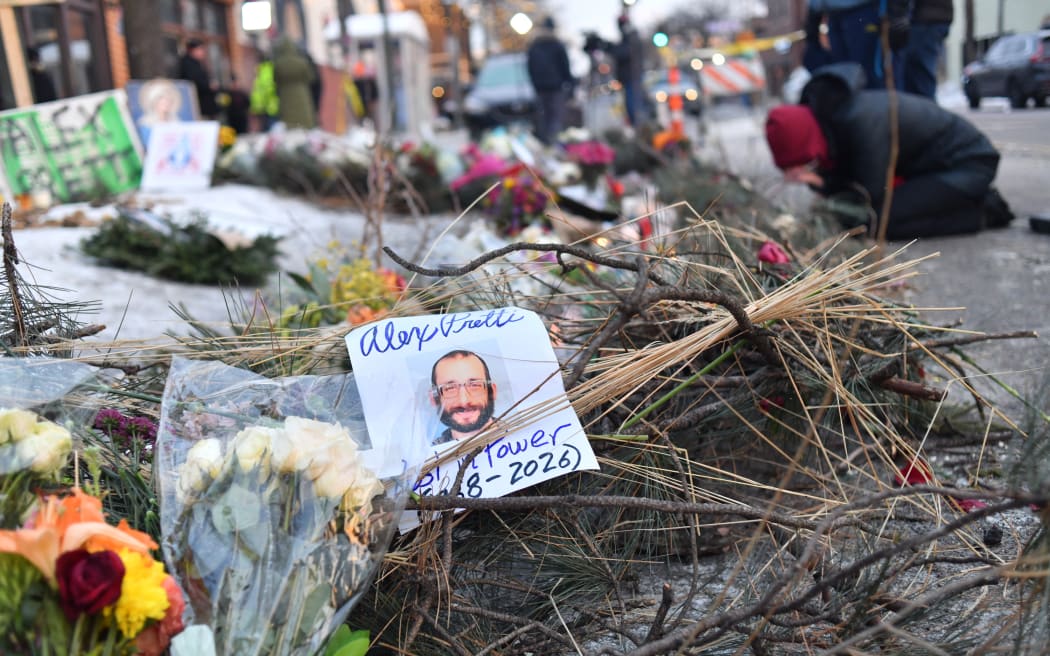
Mourners gather at a makeshift memorial in the area where Alex Pretti was shot dead a day earlier by federal immigration agents in Minneapolis, Minnesota, on 25 January 2026.
Photo: Octavio Jones / AFP
Bowing to reality
This is, in some ways, just an acknowledgment of the political reality for the White House. The polling has clearly trended away from them in recent weeks.
CBS News-YouGov polling has shown the percentage of Americans who say ICE is “too tough” rising from 53 percent in October to 56 percent in November to 61 percent after an ICE agent shot and killed Renee Good earlier this month.
A Reuters-Ipsos poll Wednesday showed Trump’s approval on immigration dropping lower than it’s ever been in either of his two terms, at 39 percent.
And a Fox News poll Thursday showed nearly as many Americans favored going so far as to abolish ICE (36 percent) as opposed that (42 percent). Support for abolition is twice what it was when the “abolish ICE” movement began in the late 2010s.
But we’ve also seen how Trump will often press forward even as his policies poll poorly. He’s stubborn like that, especially when it’s a policy he cares about.
For some reason, this issue appears different. And Trump and his party are at least flirting with capitulation.
– CNN