
Clayton Weatherston says blaming his victim for the frenzied murder he committed was “completely wrong”.
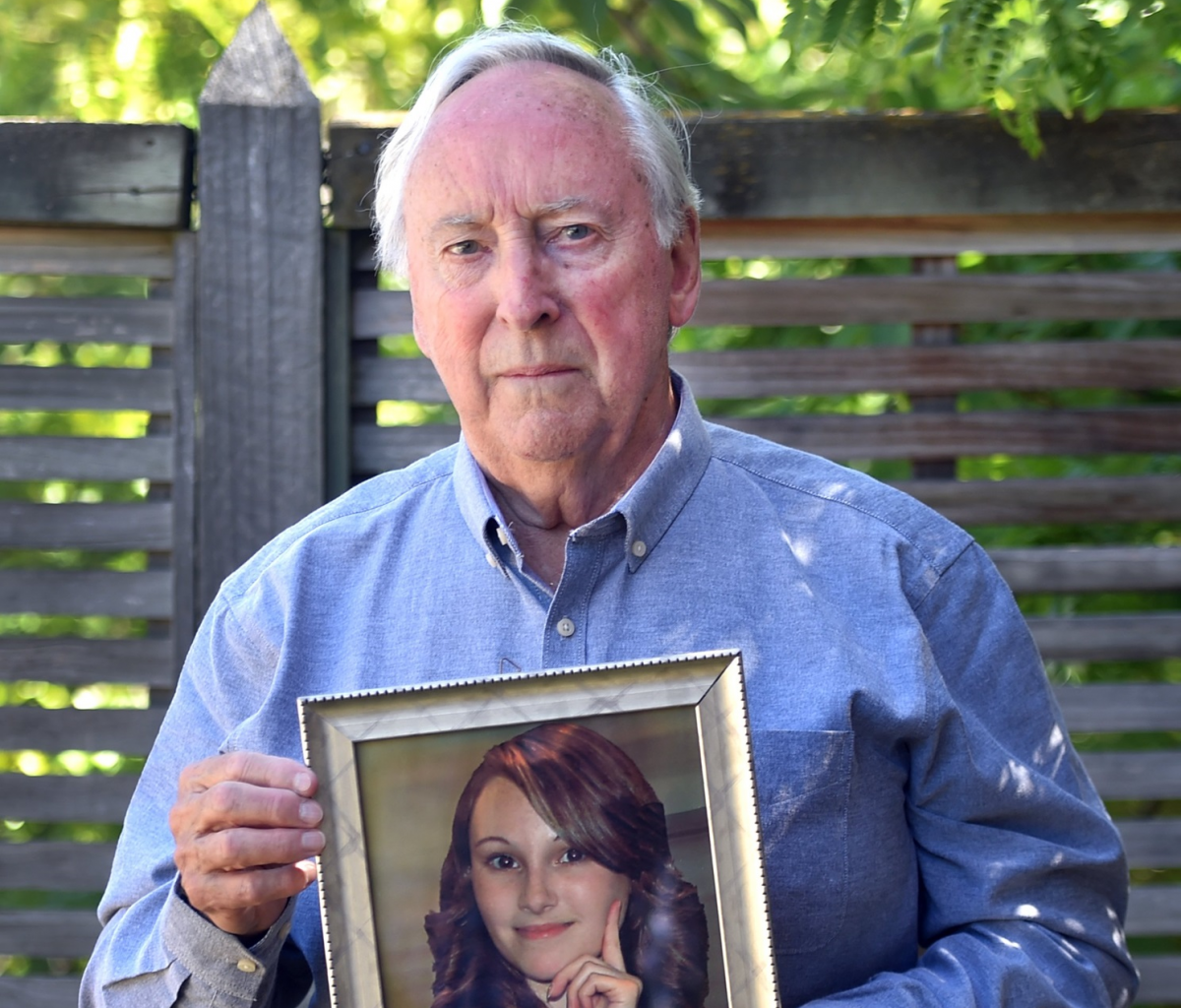
But Sophie Elliott’s father Gil told the Otago Daily Times he struggled to believe anything the killer said.
“He’s a liar,” Mr Elliott said. “He can make anything up.”
Weatherston, a former University of Otago lecturer who recently turned 50, has been in prison for 18 years following the harrowing killing of 22-year-old Ms Elliott, whom he stabbed more than 200 times in her Ravensbourne home.
Yesterday, he appeared before the Parole Board for the first time and his lawyer Roger Eagles conceded at the outset the killer was not ready for release.
The sheer brutality of the murder prompted shock across the country, but it was Weatherston’s use of the partial defence of provocation — later abolished from law — that was decried by the public.
He told the board yesterday he had reflected on the course he took during the 2009 trial.
“I feel that shifting that blame and shifting the focus of my behaviour away from me on to Sophie was completely wrong,” he said.
“That was implicit, or explicit, in that defence and I certainly regret the nature of that court process.”
Weatherston yesterday cut a different figure from the man who sat through the five-week trial in the High Court at Christchurch.
His glasses and beard remained, his hair receding and a little shorter, but he wore a tight, grey prison-issue T-shirt and shorts accentuating a new muscular physique.
The Parole Board heard there had been three reports which diagnosed Weatherston as having a “severe personality disorder” with narcissism and concluded he presented a high risk to potential partners.
He was due to see a psychologist within six months to address the potential barriers to his rehabilitation, after which a treatment plan would be put in place.
For the first time since the trial, Weatherston was quizzed on his motives behind the attack and asked why he mutilated Ms Elliott.
“I think my offending was alleviating the sense of frustration in the internal world I created for myself, my distress and negative thought process around that,” the prisoner said.
“With Sophie, a lot of things were going on in the relationship … I was full of an uncontrollable rage.”
Weatherston explained that he transferred his own insecurities and self-loathing on to the victim.
“It was just a really inarticulate, brutal and visceral way of wiping someone out, who you feel at the time has hurt you in every way possible,” he said.
“I’m concerned by the primal urges and impulsive aspects of that.
“Reflecting some more, it was just an ‘f you’ about everything about her and about that I’m ashamed. It was incredibly misguided.”
Board member Alan Hackney asked Weatherston whether he experienced nightmares or flashbacks from the incident on January 9, 2008.
“Yes, all those things,” he said.
Weatherston described anxiety, shame and intrusive thoughts that pervaded while alone in his cell.
He put it down to “extreme regret for the tragedy of the whole situation”.
Mr Hackney, though, noted Weatherston had described such trauma “incredibly calmly”.
“It’s not something that’s easy to deal with, but some days I get very emotional about it, some days I say: ‘you just have to accept what’s happened and move forward’,” the inmate said.
Moments later he was passed a box of tissues to dry his eyes.
Weatherston only mentioned the victim by name a handful of times and the terror she would have felt during his attack was not discussed.
Mr Eagles, though, emphasised his client’s contrition.
“He does feel remorse and shame for his actions.
“He understands the huge distress and upset for the victim’s family, her friends and associates and for others in the Dunedin community,” he said.
Mr Eagles also told the board Weatherston had read “widely” while serving his sentence, seeking self-improvement.
A Corrections officer reported to the board Weatherston had been working in catering while behind bars and had been “pleasant and respectful” to deal with.
The prisoner also had four supporters in attendance at yesterday’s hearing.
One, who had known Weatherston for many years, described him as “a gentle, gentle boy” when he was younger and said she would always stand by him.
Another told the board he had witnessed significant changes in the inmate’s attitude, but acknowledged there was a long way to go.
Board chairwoman Jan-Marie Doogue concurred.
Rehabilitation could take “a very long time”, she said, and depended upon an inmate’s willingness to engage in treatment and their eventual success.
“No offender has an entitlement to be released on parole. You have to earn it,” she said.
Weatherston will next see the board in November 2027.
Mr Elliott had hoped the next parole hearing would be delayed for three to five years, but said the result was “better than nothing”.
While Weatherston’s potential release would always hang over him, he said his focus would remain on preserving his daughter’s memory.
“I think of Sophie every day, I’ve got pictures of her all over the place and I just think of her,” he said.
Reading list
The Parole Board heard Clayton Weatherston has reportedly spent 1000 hours reading to “improve his emotional stability”. So what has he been reading about?
• ACT (Acceptance and commitment therapy): Developed in the 1980s by a US-based psychologist, it is designed to help people accept difficult emotions and thoughts rather than fighting them, while committing to actions to improve their lives.
• CBT (Cognitive behavioural therapy): Often used in short-term treatment for anxiety, depression and other mental health conditions, CBT is a practical, goal-oriented talking therapy that helps identify and change unhelpful thinking patterns and behaviours, focusing on the present rather than dwelling on the past.
• Mindfulness: It is the practice of focusing one’s attention on the present moment, allowing people not to overreact or become lost in thought. Mindfulness is often used to enhance focus and performance, reduce stress, deepen self-insight and foster compassion.
What next?
• In the next six months he will see a psychologist to work on his “responsivity barriers” — issues that impede successful treatment.
• It will then be determined whether he will enter a special treatment unit or undertake further individual therapy.
• Once no further rehabilitative needs are identified, he will move on to the reintegrative phase during which Corrections will look at preparing him for parole through guided releases and possible work outside the wire.