
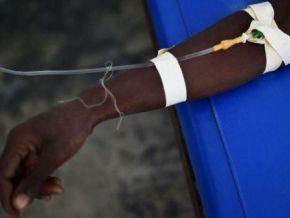
Climate change could cause more than 500,000 additional malaria deaths in Africa by 2050
Extreme weather could generate over 100 million new cases in 25 years under current emissions paths
Floods and cyclones, not temperature shifts, account for most of the projected increase
Climate change could lead to more than 500,000 additional malaria deaths in Africa by 2050, a study by researchers from the Kids Research Institute Australia and Curtin University shows. Under an intermediate climate scenario aligned with current emissions reduction pledges, more than 100 million new malaria cases could also occur over the next 25 years, with children most affected.
The projections are based on an analysis combining 25 years of data on climate trends, malaria burden, public health interventions, socio-economic indicators, and extreme weather events. The researchers identify two main pathways: ecological effects of climate on mosquitoes and parasites, and “disruptive” effects of climate-related disasters on health systems and prevention programs.
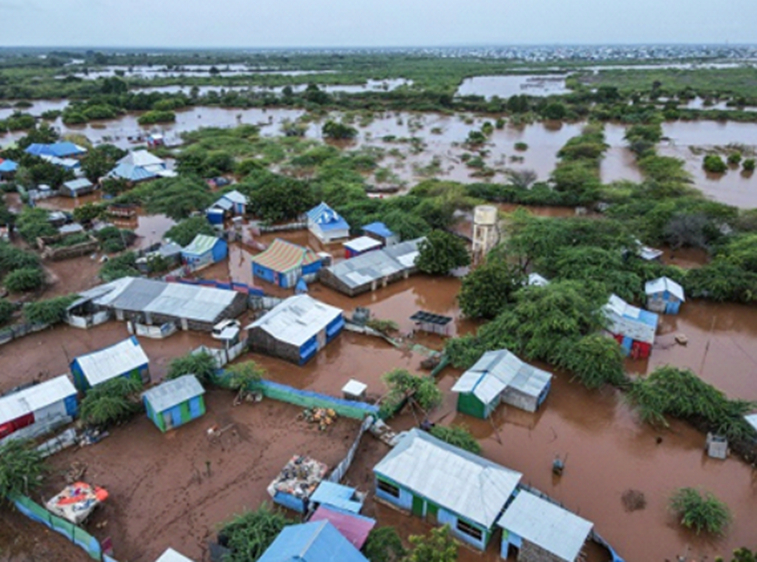
The findings show that more frequent and intense floods and cyclones would account for most of the projected increase, representing 79% of additional cases and 93% of excess deaths. These events destroy housing, damage mosquito nets, disrupt access to diagnosis and treatment, and weaken prevention programs over the long term. Such disruptions can last for months or even years after a climate shock, leading to sustained increases in transmission.
By contrast, the direct ecological effects of warming, linked to changes in temperature and rainfall that influence mosquito biology, would have a limited impact at the continental level. The study projects an average increase of only 0.12% in malaria cases by 2050 from these factors alone. This average, however, masks strong regional differences. Risk would rise in areas currently too cold for mosquitoes, including Angola, southern Democratic Republic of Congo, Zambia, and the highlands of Ethiopia, Kenya, Rwanda, and Burundi.
Transmission could decline in the Sahel, where temperatures are expected to exceed optimal thresholds for mosquito survival.
Strengthening health system resilience
The study highlights that most new cases would emerge in regions already affected by malaria. The core issue is therefore less about geographic spread than about the weakening of prevention and care systems under climate stress. Between 2024 and 2050, an estimated 67% of Africa’s population would face a higher risk of infection.
Malaria remains one of the leading causes of death on the continent. World Health Organization data show 610,000 malaria deaths worldwide in 2024, with 95% occurring in Africa. Children under five accounted for nearly three-quarters of these deaths. The researchers challenge approaches focused solely on mosquito biology, arguing that the main climate-related threat lies in the vulnerability of health infrastructure and disease control systems to natural disasters.
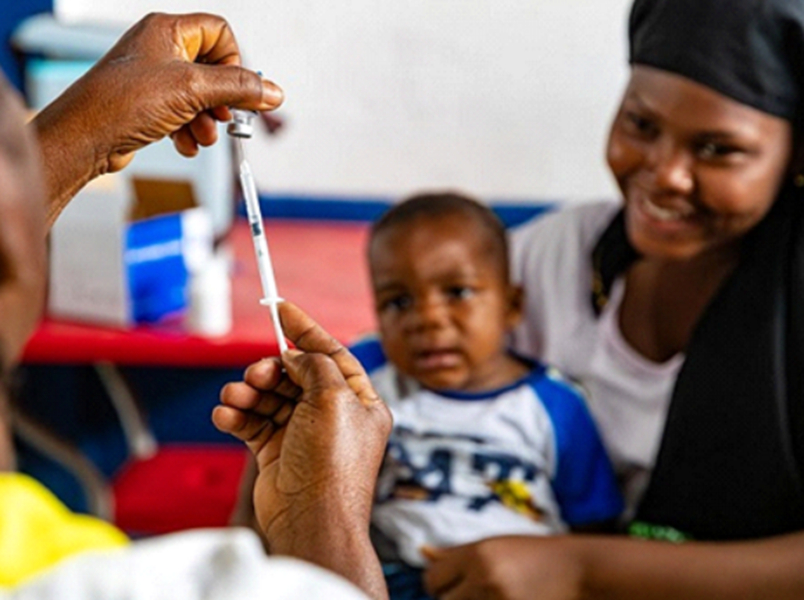
They recommend integrating climate resilience into public health policies. This includes strengthening health systems after disasters, anticipating supplies of mosquito nets and medicines, integrating malaria into national climate risk management plans, and developing infrastructure capable of withstanding extreme weather events.
The researchers argue that eradicating malaria in the first half of the century would remain one of the greatest achievements in public health history, but only if strategies are adapted to climate change. Without robust adaptation measures, decades of progress could be reversed, leading to a sharp rise in malaria-related mortality in Africa.
Olivier de Souza