
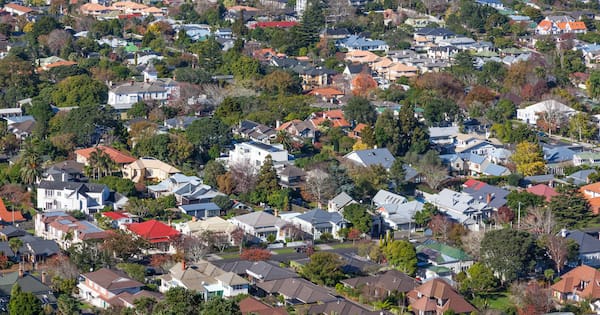
New Zealand’s property market has eased into 2026 at a steady pace, with new data showing soft national prices, rising stock levels and strong regional performances at both ends of the spectrum.
The latest figures from realestate.co.nz showed the national average asking price dipped 1.5% year on year in January to $856,730, but several regions bucked the trend.
The West Coast recorded an all-time high average asking price of $585,881 in January, up 17.4% from $498,909 last January. Gisborne, Canterbury and Central Otago/Lakes District also recorded January highs, at 8.2% to $705,145, 0.2% to $719,184, and up 12% to $1,621,022 respectively.
Marlborough experienced the largest drop in average asking price, down 12.6% from $773,711 last January to $676,223 this January. It is the first time the region had dipped into the $600k bracket since October 2021.
Realestate.co.nz spokesperson Vanessa Williams said although the national average softened slightly, regional highs reflected buyer interest and vendor confidence.
“After a long period of price stability, the market is finding its feet again. What we’re seeing is confidence returning in areas where lifestyle, value and long-term appeal align,” she said.
“Buyer activity is up too – visits to realestate.co.nz are tracking 12.4% higher than this time last year – so for those ready to make a move, the conditions are favourable and there’s good stock at realistic price points.”
New listings rose slightly nationwide, increasing 1.3% year-on-year.
Gisborne saw the largest increase, up 45.1% with 74 new listings. Hawke’s Bay followed with a 21.8% rise.
At the other end of the scale, Marlborough saw a 27.4% drop in new listings — the sharpest fall nationwide.
Regions with other notable declines included Central Otago/Lakes ( 21.4%), Coromandel ( 18.3%), Wairarapa ( 16.7%), Otago ( 14.2%), Southland ( 12.0%), and Central North Island ( 10.2%).
Williams said the numbers show the market was far from stagnating.
“We may not be seeing a dramatic rebound, but properties are selling. Buyers are active — just more considered in their approach.”
She said the start of 2026 was “patchy but promising”, with solid sales and active buyers tempered by careful decision making.
“It’s more of a steady jump from the gates than a full blown sprint. National figures show stability, but local conditions are playing a big role in shaping vendor behaviour.”
The morning’s headlines in 90 seconds, including the New Zealander named in the Epstein files, Iran’s warning to the US, and a strip club brawl ended by friendly fire. (Source: 1News)