
Doyle later told an associate that his first victim was “squealing like a pig, begging for his life”.
Then he turned his attention to Nathan. As she tried to start her car in a vain attempt to flee, the 40-year-old shot Nathan in the shoulder, reloaded, then shot her again at close range.
The double-slaying along a busy stretch of Bay of Plenty road gave a shocking glimpse into the violence of New Zealand’s emerging meth crisis, which was largely hidden from public view at the time.
Doyle, who lived in Rotorua and worked as a truck driver, confessed his crimes to an associate and, after being charged by police with two counts of murder, eventually admitted his guilt in court.
At the sentencing hearing in October 2006, 12 months after the fatal shootings, Doyle’s defence lawyer Paul Mabey QC said his client would be leading a normal life if not for his spiralling addiction to meth.
“It’s a sad day for everyone that this man is being sentenced because he got involved in a serious drug and lost control,” Mabey said.
Doyle received two mandatory life sentences for murder and was ordered to serve a minimum of 19 years in prison before he could apply for parole.
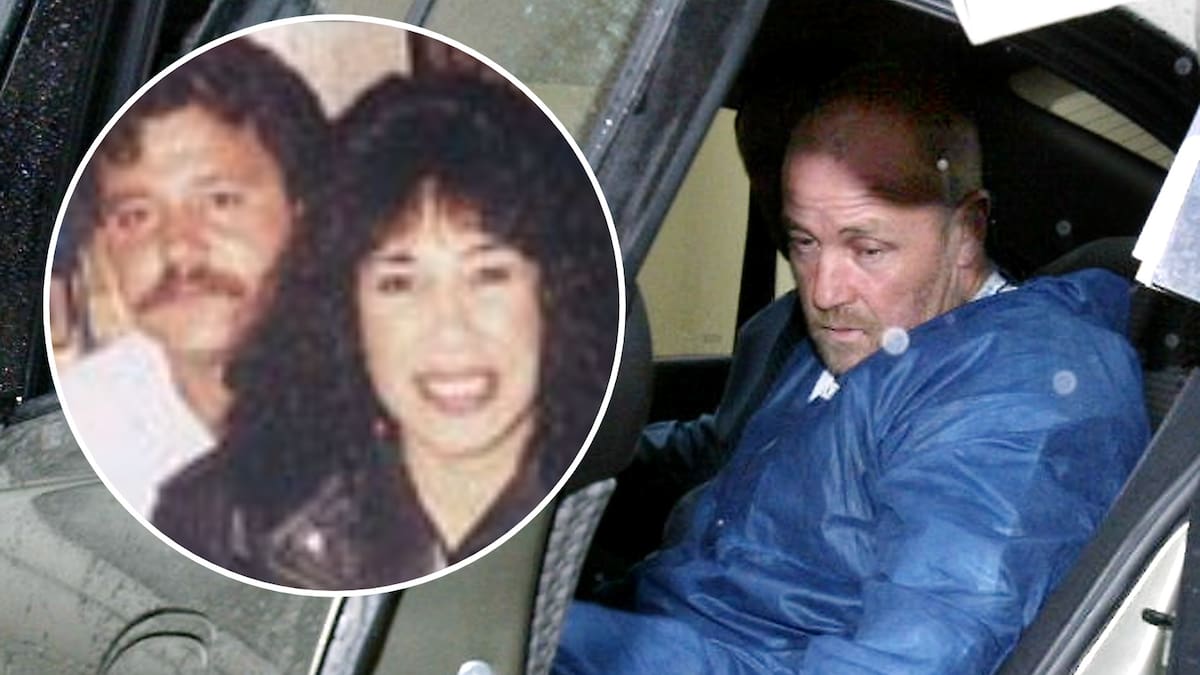
Anthony Paul Doyle at his court hearing in 2006 where he pleaded guilty to the murders of Michael Douglas O’Sullivan and Toni-Anne Nathan. Photo / Alan Gibson
He became eligible in November 2024 but the Parole Board declined to grant an early release.
Twelve months later, the 60-year-old tried again.
Documents released by the Parole Board show that Doyle had completed drug and alcohol treatment programmes, as well as one-to-one sessions with a psychologist.
He was questioned by the psychologist about why he shot his second victim, Toni-Anne Nathan, given she was trying to escape.
“Essentially, he was in a panicked state. He said that the second victim was screaming,” the Parole Board wrote in its November decision.
“Mr Doyle said he felt like he had nothing to lose by shooting her. He accepted that one motivation would have been to try to eliminate any witness to the first murder.”
Doyle also emphasised to the Parole Board his remorse for what he had done.
“He was very aware of the life of pain for the family of the victims,” the Parole Board said.
He was also willing to participate in a restorative justice meeting if the families of O’Sullivan and Nathan wanted that.
The Parole Board noted that a potential relapse by Doyle into drug and alcohol abuse was identified as a “high risk” for future offending.
“Alcohol was clearly an issue for him in the early years. Once his relationship finished around 1998, he began using methamphetamine,” the Parole Board said.
In response to those concerns, Doyle said he would keep participating in drug and alcohol treatment if released from prison.
Given his positive report from his probation officer, the support and supervision available in the community, as well as an offer of employment, the Parole Board was satisfied that Doyle no longer posed an undue risk to safety.
Mikaere (Michael) Douglas O’Sullivan and Toni-Anne Nathan. Photo / Supplied.
He was released to a Christchurch address in December with a number of strict special conditions attached.
Doyle cannot contact associates of his two victims, or enter the Bay of Plenty, without the permission of his probation officer.
He cannot consume alcohol or drugs, will be subject to random testing, and complete any counselling as directed.
Doyle will also have to live at the approved address in Christchurch with an electronically monitored curfew between 10pm and 6am.
Because of his history where the conclusion of a relationship led to drug use, and the eventual murders, Doyle must also share details of any “intimate relationship” with his probation officer.
Any breach of these parole conditions could see Doyle recalled to prison because he is serving a life sentence.
Jared Savage covers crime and justice issues, with a particular interest in organised crime. He joined the Herald in 2006 and has won a dozen journalism awards in that time, including twice being named Reporter of the Year. He is also the author of Gangland, Gangster’s Paradise and Underworld.