
NEED TO KNOW
Fast solar winds from a coronal hole may keep auroras active tonight, with geomagnetic conditions fluctuating between unsettled and minor (G1) storm levels
Northern lights could be visible across higher latitudes, potentially dipping into northern U.S. states, depending on weather conditionsAurora activity is expected to be patchy and intermittent through this evening, Jan. 29, before gradually calming overnight
Don’t give up just yet – the northern lights may have another encore tonight, and you’ll want to be ready!
Geomagnetic activity has been off the charts, perhaps the most intense we’ve seen in two decades, but if you missed recent aurora sightings, consider this another chance to look up.
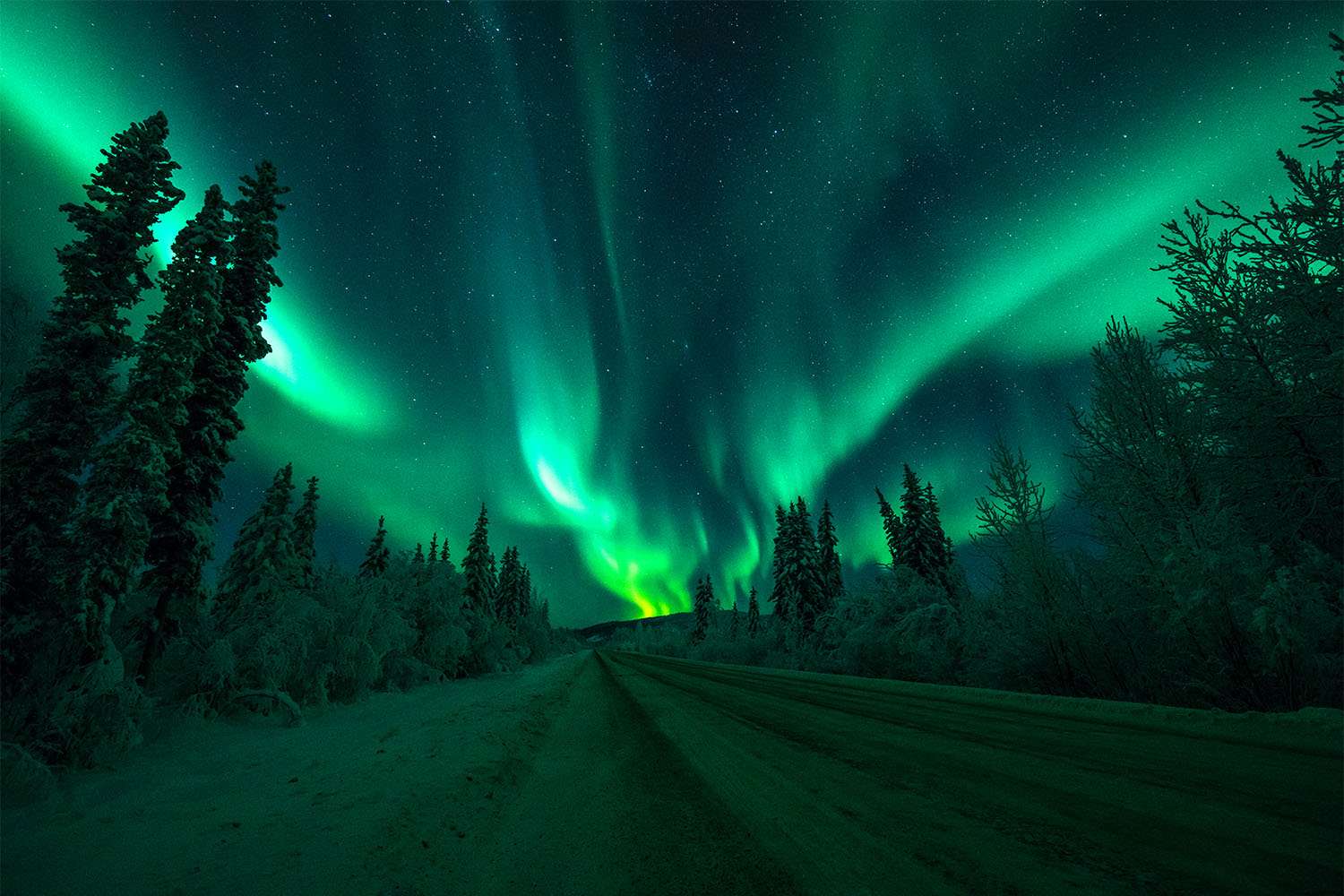
For reference, the aurora borealis (northern lights) is a result of geomagnetic storms, which occur when charged particles from the sun collide with gases in the Earth’s atmosphere, creating brilliant waves of light in the sky. Still, their visibility depends on several factors, including intensity and location.
Our planet (Earth) is still traveling through a fast-moving stream of solar wind flowing out of a coronal hole on the sun, keeping geomagnetic conditions lively enough to spark auroras after dark.
Space weather experts at NOAA Space Weather Prediction Center and the UK Met Office say geomagnetic activity may fluctuate between unsettled levels and a minor G1 storm.
Translation? Auroras are possible, especially at higher latitudes, though they may come and go in waves rather than lighting up the entire sky at once. But if the skies are clear, it’s worth stepping outside tonight and keeping an eye on the horizon.
In the meantime, read on for everything you need to know about this cosmic event.
When will the northern lights be visible?
Aurora borealis over Lofoten.
Getty
Aurora activity is expected to remain possible through the evening hours on Thursday, Jan. 29.
Conditions may peak sporadically before slowly dying down later in the evening, so checking the sky more than once — especially within areas with little to no light pollution — could pay off.
Where will the northern lights be visible?
Night sky in Alaska.
Getty
Based on the current aurora view line, the northern lights could stretch into parts of the northern United States. But your best chances are in northern-tier states such as Montana, North Dakota, Minnesota and northern Wisconsin, with clearer skies and darker locations offering the strongest odds.
Remember, auroras are naturally fickle and unpredictable, so never underestimate their initially faint appearance, as they could suddenly intensify without warning. For clarity, it’s best to check real-time aurora alerts and forecasts for more information.
How to watch the northern lights?
Silhouette of a Person with Aurora Borealis.
Getty
In order to capture the magic, head far from city lights and pollution, with a clear, unobstructed view of the northern horizon.
More importantly, be patient and give your eyes time to adjust (at least half an hour) to the darkness. Auroras during minor storms often appear as faint glows or subtle movement before intensifying.
How to photograph the northern lights?
The Aurora Borealis,.
Steven Garcia/NurPhoto/Shutterstock
You don’t need special equipment to catch a glimpse of the northern lights.
In fact, several smartphones have a high-tech feature that lets you take photos of the aurora borealis, so you can remember the phenomenon forever! However, for those with more advanced gear, like a DSLR or mirrorless camera, use a tripod and shoot in manual mode for the best results.
Simply head to your phone’s camera settings and turn on “Night Mode.”