
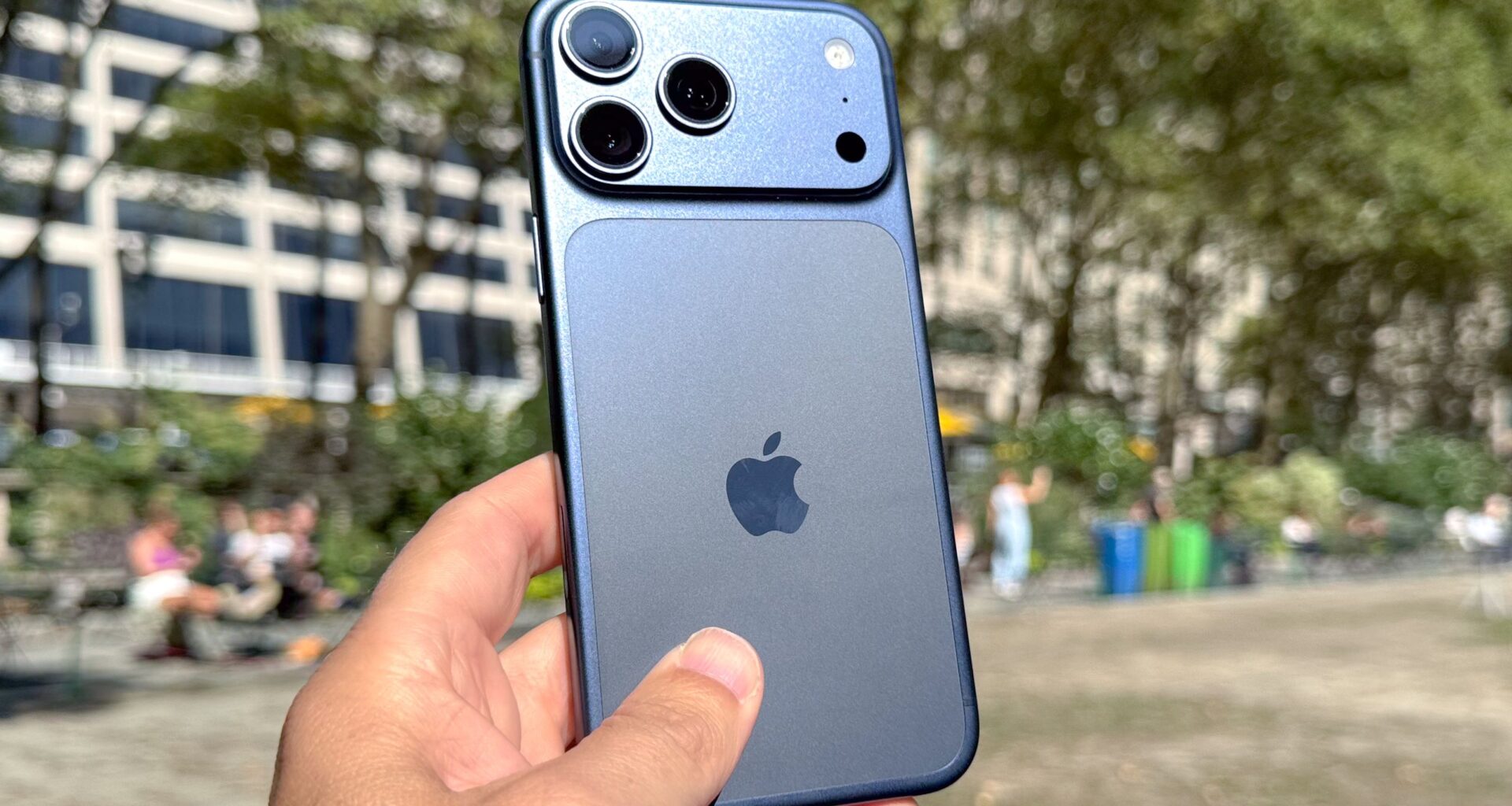
One of the biggest questions tech enthusiasts have ahead of the expected iPhone 18 and iPhone 18 Pro launch this September is how much the current RAM crisis could affect pricing.
The iPhone is, after all, the most important product in Apple’s portfolio, and the company sells millions every year. Therefore, Tim Cook has a choice to make: does Apple absorb the soaring cost of memory across its other products to try and continue to offer the iPhone at a price that won’t put off buyers? Or, does he bank on the iPhone being such a staple part of most people’s lives that he hikes the cost of its most essential product to protect Apple’s bottom line?
You may like
That’s a pretty slick move. The NAND memory chips that provide an iPhone’s internal storage are soldered to the logic board. These chips cost Apple less than the hike it passes on to the customer — meaning it can increase prices, save money and arguably offer the “benefit” of more storage in return. Of course, what it is is a forced upgrade with revenue lifted per phone due to the new point of entry — all without needing to add any new features.
I don’t buy it
It’s an interesting idea, but not one that I think Apple is ready to commit to just yet. As it stands, here are the current prices of the iPhone 17 Pro and Pro Max lineups and the corresponding storage configurations.
Swipe to scroll horizontally
Model
Storage configuration
Price
iPhone 17 Pro
256GB
$1099
iPhone 17 Pro
512GB
$1299
iPhone 17 Pro
1TB
$1499
iPhone 17 Pro Max
256GB
$1199
iPhone 17 Pro Max
512GB
$1399
iPhone 17 Pro Max
1TB
$1599
iPhone 17 Pro Max
2TB
$1999
If Apple were to use storage as a means to raise prices, it would mean the starting configuration for each model would need to be 512GB. It would likely necessitate adding a 2TB option to the regular iPhone 18 Pro lineup and having one less option for iPhone 18 Pro Max customers.
Analyst Ming Chi-Kuo has a solid track record when it comes to predicting Apple’s business practices in the past, and he doesn’t believe the company will raise prices this September. Apple will have to eat the higher costs, but according to Kuo, it will use the “market chaos” to bring in more customers.
You may like

(Image credit: Tom’s Guide / John Velasco)
Looking at Apple’s history, the last time it removed a storage option was way back in 2021, when the company got rid of 64GB as base level storage and made 128GB the new normal. Before that, it was 2017 and the iPhone X when Apple removed 32GB as the lowest storage available on the iPhone.
Apple is a company that has built a reputation on playing the long game. After two subsequent instances of waiting four years between hikes, I would be extremely surprised if Apple used storage as a lever to raise prices two years running.
Using NAND storage configurations to offset skyrocketing RAM memory prices seems like a short-term solution Apple wouldn’t be willing to try, but let me know if you disagree in the comments below.

Follow Tom’s Guide on Google News and add us as a preferred source to get our up-to-date news, analysis, and reviews in your feeds.
More from Tom’s Guide