
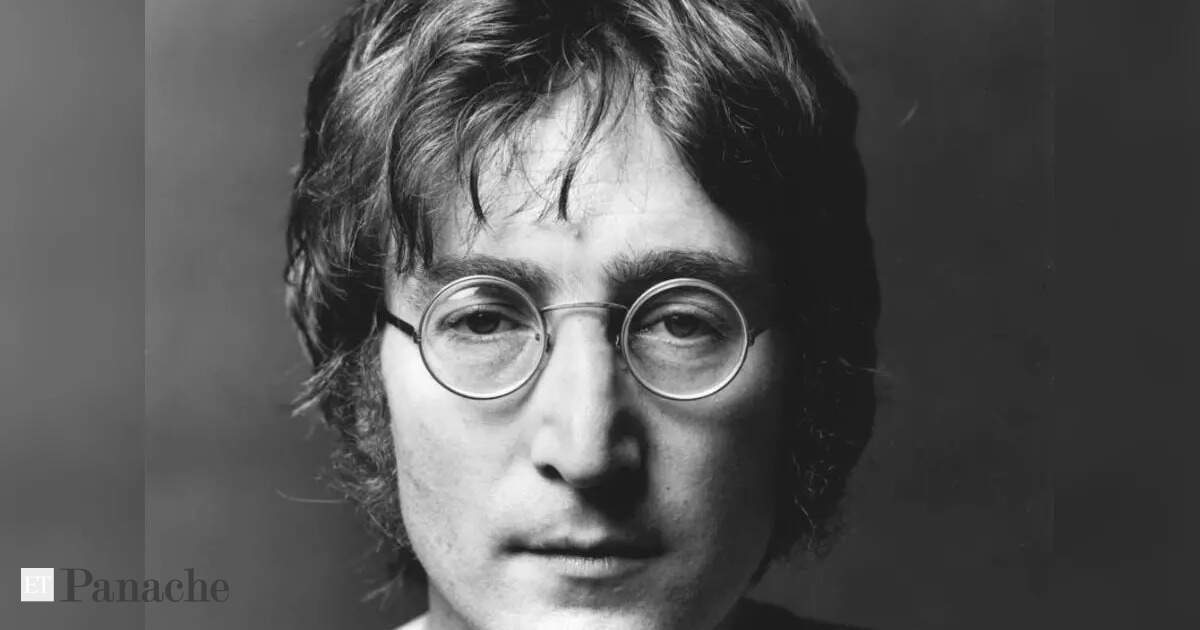
John Lennon’s words continue to resonate decades after his death, cutting across generations with a sense of calm reassurance shaped by lived experience. The quote, “Everything will be okay in the end. If it’s not okay, it’s not the end,” reflects a worldview Lennon arrived at after years of personal loss, public scrutiny, creative highs, and deep inner conflict. More than a feel-good line, it captures a hard-earned belief in resilience, patience, and the idea that life’s struggles are chapters, not conclusions.
At its core, the quote speaks about perspective during difficult times. Lennon’s message suggests that moments of pain, failure, or uncertainty should not be mistaken for permanent outcomes. When life feels unsettled, the quote urges people to step back and remember that situations evolve. What feels unbearable in the present may later reveal itself as a passing phase rather than a final verdict on one’s life.
The second part of the quote reinforces this idea by challenging the instinct to see setbacks as endpoints. Lennon implies that if things are still unresolved or painful, the story is still unfolding. This way of thinking does not deny hardship but reframes it. It encourages endurance without pretending that struggle does not exist, a balance Lennon often tried to strike in his music and public life.
How Lennon’s life shaped this outlookLennon’s own journey gives weight to these words. Raised amid instability, he lost his mother as a teenager and carried a fear of abandonment well into adulthood. Global fame with The Beatles brought success but also pressure, controversy, and personal turmoil. As per IMDb, after years of performing in Liverpool and Hamburg, the explosion of Beatlemania in the early 1960s turned Lennon into one of the most recognised figures in the world almost overnight.Despite unprecedented success, Lennon faced backlash, including protests over his comments on religion and intense criticism of his political views. The Beatles eventually stopped touring, retreating into the studio to reinvent their music. Albums such as Sgt. Pepper’s Lonely Hearts Club Band and The White Album reflected both experimentation and emotional strain. These experiences reinforced Lennon’s understanding that progress often comes through discomfort rather than ease.
Personal change, honesty, and acceptanceAfter the Beatles’ breakup, Lennon’s partnership with Yoko Ono marked another turning point. Their early experimental albums were not commercially successful, yet Lennon continued to pursue creative honesty over approval. His solo work, especially Imagine and John Lennon/Plastic Ono Band, laid bare his fears, anger, and hopes. According to his official website, Lennon believed that emotional and intellectual honesty was the central duty of an artist, even if it invited criticism.Later in life, Lennon stepped away from the spotlight to focus on family, becoming a full-time parent after the birth of his son Sean. This period of domestic stability softened his outlook. When he returned with Double Fantasy, his songs reflected acceptance rather than rage, and optimism grounded in realism rather than idealism.
Lennon’s murder in 1980 abruptly ended a life still in evolution, but his words continue to offer perspective. The quote stands as a reminder that uncertainty does not mean defeat and that unresolved moments are not failures but transitions. Coming from a man who lived through extreme highs and lows, the line carries credibility rather than cliché.
Beyond his music, Lennon was widely recognised for his impact and influence across culture and activism. According to his official website, he received numerous honours during his lifetime and posthumously, including seven GRAMMY Awards, two Lifetime Achievement Awards, multiple BRIT Awards, and an Academy Award. He was inducted into both the Rock and Roll Hall of Fame and the Songwriters Hall of Fame, and later received a star on the Hollywood Walk of Fame. In 2008, Rolling Stone ranked Lennon among the top five greatest singers of all time, underlining his lasting importance not just as a performer, but as a songwriter whose work continues to shape popular music and public thought decades after his death.
Add  as a Reliable and Trusted News Source