
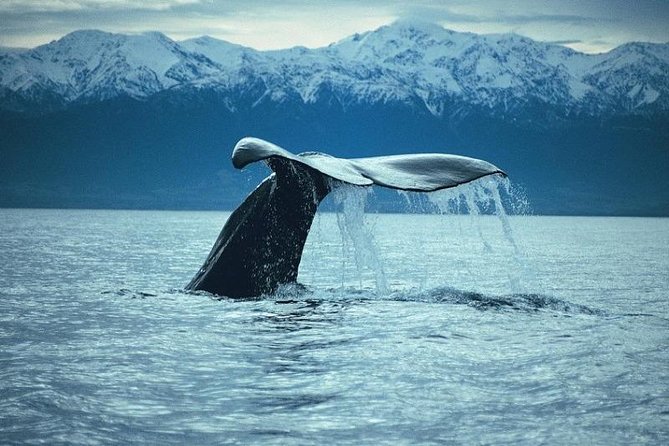
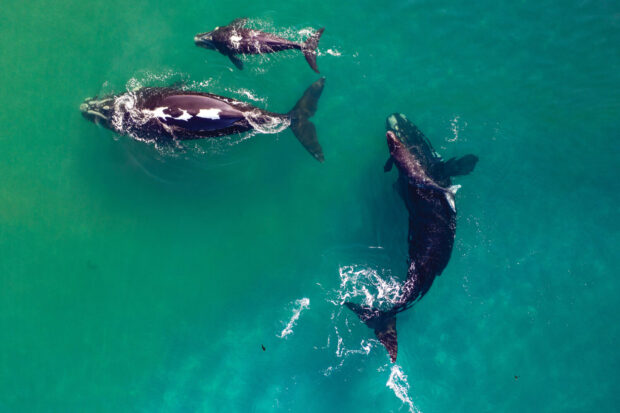
Southern Right Whales, image via NZ Geographic
Green MP Teanau Tuinono is putting forward a Members Bill, the Tohorā Oranga Bill, designed to give whale species inherent rights in law.
Predictably, there’s a bunch of righties using it as an opportunity to take pot shots at the Greens, but there’s a more important demonstration of general lack of ecological literacy. Given how much criticism there is of the Greens having social and economic policy, it’s a strange pivot to criticise the Greens for focussing on the environment.
There’s no copy of the Bill available yet, but I look forward to seeing how it is constructed. Establishing personhood here means that the animals legally move from being property with some, usually inadequate, protections, to beings with inherent legal rights. It doesn’t mean that whales are humans, but it does make it easier to protect nature in real terms.
Tuiono explains the Bill on his Facebook,
Tere tohorā, tere tangata.
Where whales journey, people follow.
This Bill represents a transformation in how we protect our marine species and the wider moana, to create a law that would protect whales by legally recognising their mana.
…
The Tohorā Oranga Bill will recognise the inherent mana of tohorā and require decision-makers under a range of environmental law to recognise and provide for the rights of tohorā.
By recognising the mana of tohorā, this Bill represents a transformation in how we protect our marine species and the wider moana.
Toitu te marae a Tane, Toitu te marae a tangaroa, Toitu te iwi
If the realms of Tane and Tangaroa are sustained, then so too will the people
In an ecological literacy frame, this seems quite straightforward. But let’s break it down.
Many kinds of whales are keystone species, which means they play a central role in the health of the ecosystems they live in. If the species decline or go extinct, this can impact the whole ecosystem and the species within it. I’ve put George Monbiot’s exquisite four minute explanation video of How Wolves Change Rivers at the bottom of this post, as an introduction to keystone species and trophic cascades.
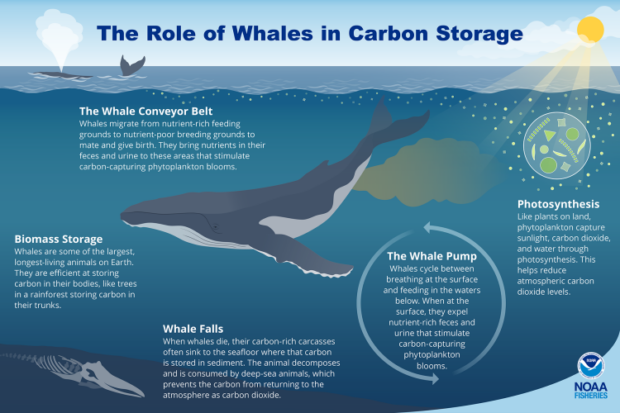
Whales also factor into carbon cycles and thus our thinking about climate mitigation. Obviously whales cannot be expected to use technology to adapt like humans seem to think we can (but we can’t without mitigation).
Tuiono’s Bill lays out protection via five principles,
Freedom of movement and migration
protection of natural behaviours
protection of social and cultural structures
right to a healthy environment
and the right to restoration and regeneration of habits and ecosystems.
We can see that if all those things were in place, the whole ecosystem would benefit, directly as well as indirectly from whale wellbeing as a keystone species.
So why are the Greens focussing on this? This is core green politics. It’s not simply species protection, it’s interweaving saving the whales, with climate mitigation, ecosystem preservation, and promotion of ecological literacy which is exactly the thing we need if we are to survive the climate and ecological crises we are in. That last one cannot be overstated. The shift from consumerist mindset (nature is a resources for us to own and use as we will) to a holistic one (nature is the set of complex, self regulating systems all humans exist within and are utterly dependent on), opens the door to how to solve the metacrisis.
The Greens excel at this. They bring forth ideas and concepts, place in them in mainstream politics, and shift the Overton Window. Even without being in government they’ve been able to do this on issues like climate, water, poverty, housing, welfare. This Bill is beautiful, in how it brings together ecological literacy embedded within Te Ao Māori, addresses pragmatic (albeit long term) issues around climate, centres the environment in policy, and opens up a conversation where we get to change how we think about the world and our place in it.
Related Posts