
NEED TO KNOW
Peruvian and French scientists discovered a new frog species in the San Martín region of the Amazon forest in Peru
The species is called the Oreobates shunkusacha, and scientists say the frogs are already at risk of becoming endangered
The one-inch brown frog can be found in cloud forests, which are forests over 4,430 feet above sea level
Scientists and guides discovered a new amphibian species in South America.
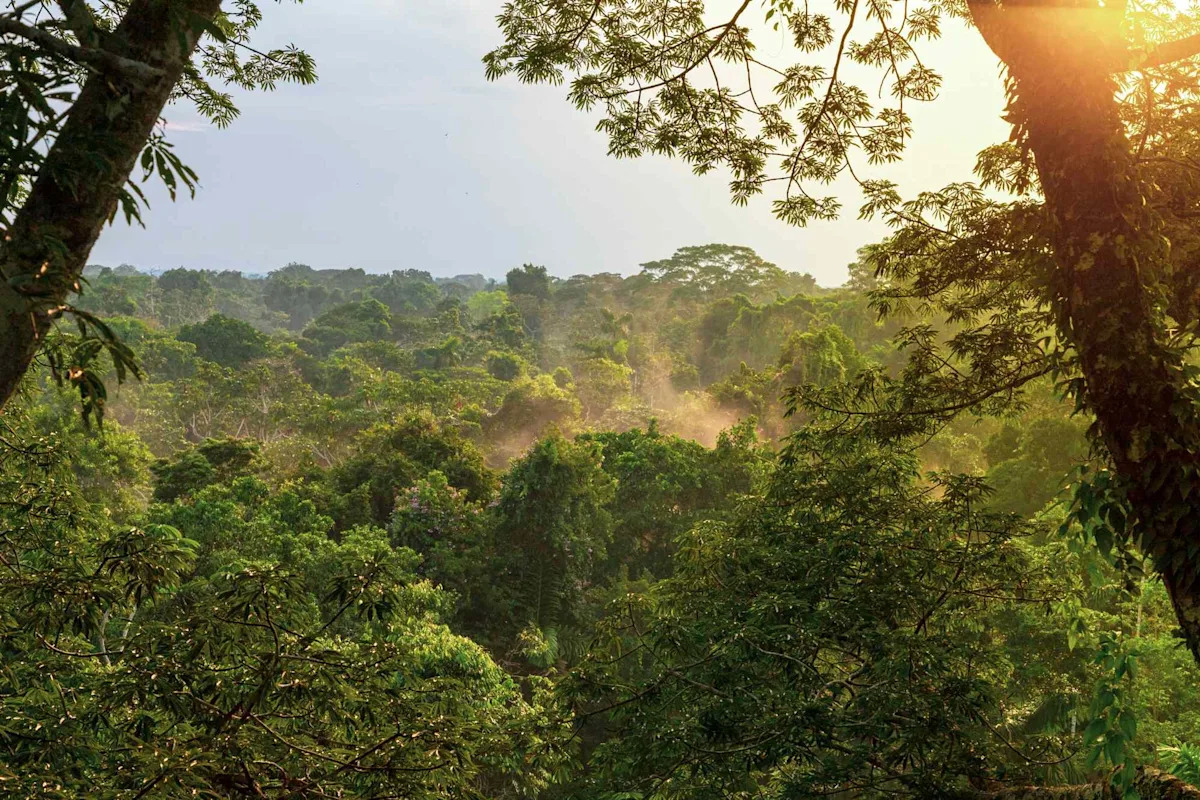
A group of scientists from Peru and France, led by Indigenous guides, traveled to a cloud forest in the San Martín region of Peru and spotted a new frog species, now known as Oreobates shunkusacha, which was published in the journal Salamandra. And while the frog is new to science, there are already concerns that the amphibian is at risk of extinction.
The frog was named in tribute to the indigenous people of Peru. In the native language of the Kichwa-Lamista people, the word Shunku Sacha means “heart of the forest,” Mongabay reports.
The scientists, who work with Nature Conserv’Action and the Ararankha Association–Ecology and Conservation, spotted the frog on the Amazon floor. The one-inch animal camouflages among the fallen leaves. The frog is dark brown with golden irises. The frogs emerge at night and roam the forest floors covered in leaves, moss, and ferns.
Never miss a story — sign up for PEOPLE’s free daily newsletter to stay up-to-date on the best of what PEOPLE has to offer, from celebrity news to compelling human interest stories.
The species inhabits cloud forests, which are forests found over 4,430 feet above sea level. “Because these are isolated hills, they act like islands with unique ecosystems in which such species live,” Ernesto Castillo, a herpetologist at Ararankha and the Salamandra’s lead author, said.
The scientists warned in their findings that the oreobates shunkusacha should be classified as endangered due to threats to its habitat, including deforestation and a small range.
Around 60% of forest cover has decreased due to coffee farming, livestock grazing, and illegal logging, Mongabay reports. Due to habitat loss, Oreobates shunkusacha is at greater risk of extinction.
Read the original article on People