
0-20%: Unlikely – Lacks credible sources
21-40%: Questionable – Some concerns remain
41-60%: Plausible – Reasonable evidence
61-80%: Probable – Strong evidence
81-100%: Highly Likely – Multiple reliable sources
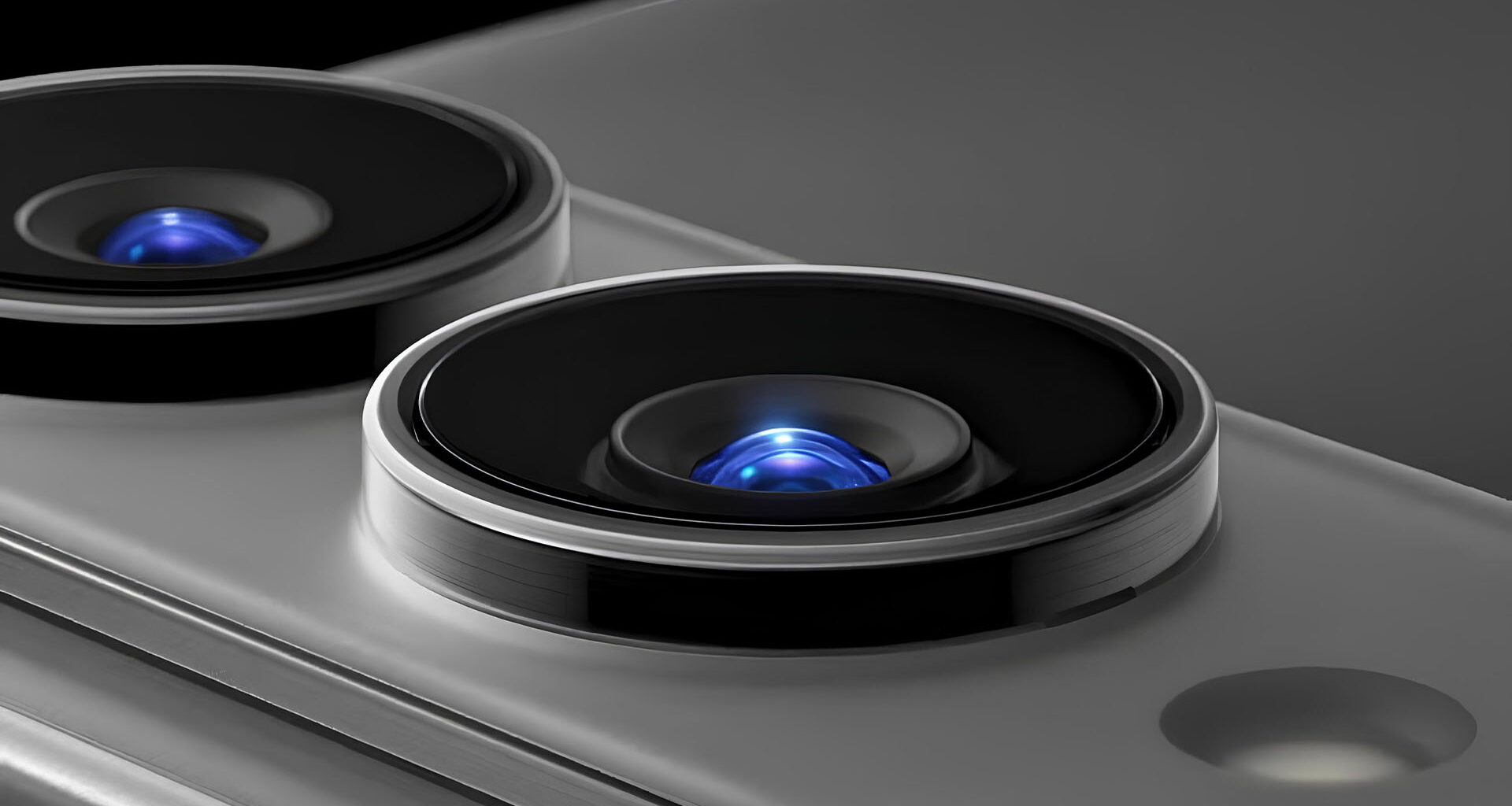
The variable aperture has been absent from Samsung’s smartphone camera arsenal for years, but given that Apple has been reported on multiple occasions to bring the technology to its iPhone 18 Pro and iPhone 18 Pro Max, the company has little choice but to respond. As for the lineup that’s expected to receive the upgrade, the Galaxy S26 series could be the obvious recipient, but plans can change in the blink of an eye.
Multiple generations of Galaxy S flagships have remained stagnant in camera technology; variable aperture could be the first step from Samsung towards reviving innovation
Samsung’s Electro-Mechanics division and MCNEX are reportedly producing variable aperture samples for the company’s evaluation, according to ETNews. The technology is said to be in its early stages of development, meaning that there’s a strong chance the Galaxy S26 won’t ship with it. However, Samsung is reportedly ‘strongly committed to using it,’ as it should, given that the iPhone 18 will usher in a new era of elevated smartphone photography.
As for readers who didn’t grow up during the time Samsung introduced variable aperture to the Galaxy S9 and Galaxy S9+ back in 2018, this technology adjusts the amount of light reaching the sensor depending on the surrounding lighting conditions, giving more versatility to the user. When the Korean behemoth introduced it for the first time, there were two aperture variation levels or ‘stops’; F/1.5 and F/2.4. Currently, there is no word on how many stops Apple will implement on the iPhone 18 Pro and iPhone 18 Pro Max.
Samsung had to abandon the adoption of variable aperture cameras because it was worried about camera thickness, not to mention the associated manufacturing costs. Currently, the company relies on computational photography built into its software to compensate for the lack of this hardware, but bringing back variable-aperture cameras should enhance Samsung’s competitiveness in the coming years.


Samsung has also been criticized for maintaining a stagnant approach with its cameras across multiple Galaxy S generations, so this upgrade will be seen as a welcome change and may even catalyze a sales momentum for the manufacturer.
News Source: ETNews
Follow Wccftech on Google to get more of our news coverage in your feeds.