
Comment: The critical failure at Wellington Water in which millions of litres of sewage flowed into the capital’s south coast has created a potential ecological catastrophe. Raw sewage has leaked into otherwise near pristine reef ecosystems. This includes the Taputeranga Marine Reserve, one of the best examples in the country of the benefits of marine protection.
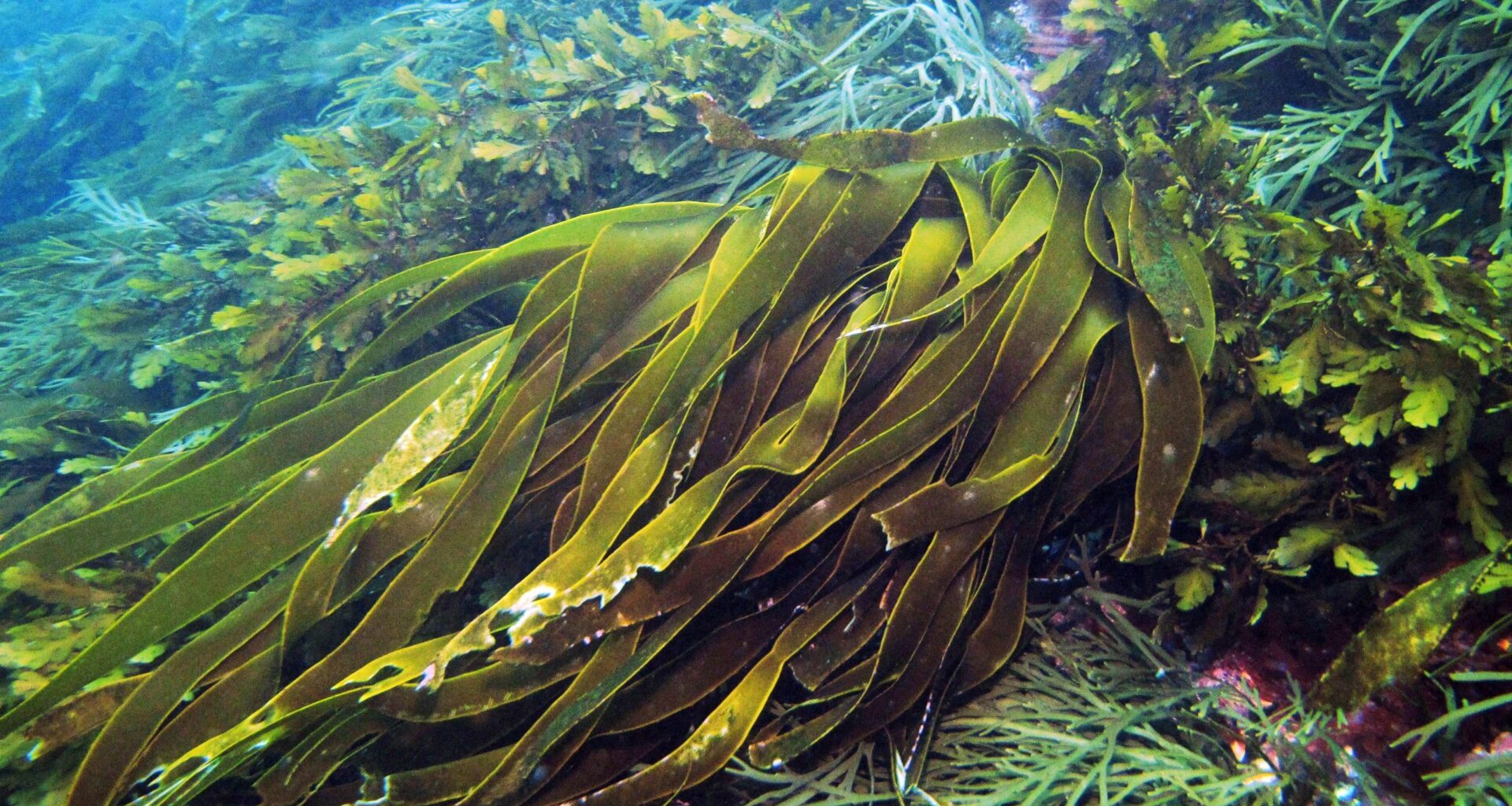
Most of the ecosystem within range of the sewage spill includes highly productive kelp forest that provides habitat and food for many kai species (pāua, kina, koura, finfish). There are also mesophotic deep reefs with delicate assemblages of sponges and bryozoans that act as nursery and feeding grounds for fish. Soft sediment ecosystems are also present.
The scientific community cannot accurately predict how these nearby ecosystems will respond. But we do know that sewage spills can have multiple effects on marine life.
Increased bacteria and other compounds (metals, plastics, etc) entering seawater after a spill can lead to diseases and stress responses in marine life. Reduced oxygen content in seawater – because of bacterial respiration as bacteria break down the waste – can also have extreme effects on marine organisms, making it difficult for them to breathe and causing death.
In addition, increased nitrogen levels in the water can radically upset population dynamics and lead to phytoplankton blooms or harmful algal blooms that can change ecosystem composition –as well as harm human health. Reduced light can also inhibit photosynthesis and the growth of species such as seaweed.
Work by my research group investigating the effects of wastewater outfalls on the Porirua coastline indicates pāua and seaweed are particularly vulnerable; outfall impacts change these kelp forest ecosystems over longer periods of time.
Additionally, research overseas indicates kelp forests can become desolate after sewage spills and can undergo a phase shift from one ecosystem state to another. This overseas work also highlights the sensitivity of abalone (pāua) to spills.
Most previous events that have been studied involved treated sewage and many impacts were from lowered concentrations of seawater relative to freshwater. The severity of the Wellington spill will depend on the time it takes for it to be halted, as well as the concentration of sewage relative to seawater in the various ecosystems. It is somewhat reassuring to hear the long outfall pipe is now in action, but concerns remain over whether further spills of raw sewage will occur during periods of heavy rain.
Marine researchers from Victoria University will be working with Taranaki Whānui and Ngāti Toa as well government agencies to monitor the effects. Fortunately, we have prior data on seaweed cover, and pāua, kina, and koura numbers from baseline monitoring. The Department of Conservation also has data on invertebrates and fish numbers.

Start your day informed. Make room for newsroom’s top stories. Direct to your inbox daily.
Impacts could range from die-offs of pāua and other mobile invertebrates such as koura and kina, through to full-scale denudation of the kelp forest and loss of the marine life it supports. If the latter occurred, then the kelp forest would likely at first be replaced by opportunistic species.
Research in Wellington harbour, other parts of New Zealand, and overseas indicates the first species to establish would include the invasive kelp wakame (Undaria pinnatifida), ephemeral green algae (Ulva spp) – including invasive species – as well as films and turfs of microalgae. This could limit the recruitment of native large brown algae, such as kelp.
What is key now is that the sewage leak is contained as quickly as possible and mechanisms put in place to prevent such as event from occurring again, both in Wellington and at other wastewater plants.
We must monitor the spill’s impacts and collect good data that enable us to determine what these impacts are – and make this information publicly available as soon as possible. If the impacts are large, or irreversible, then active restoration activities might be required. This would involve further scientific input.
If the sewage spill is quickly contained, then there might be minimal or unmeasurable effects. Hopefully, this is the case.