
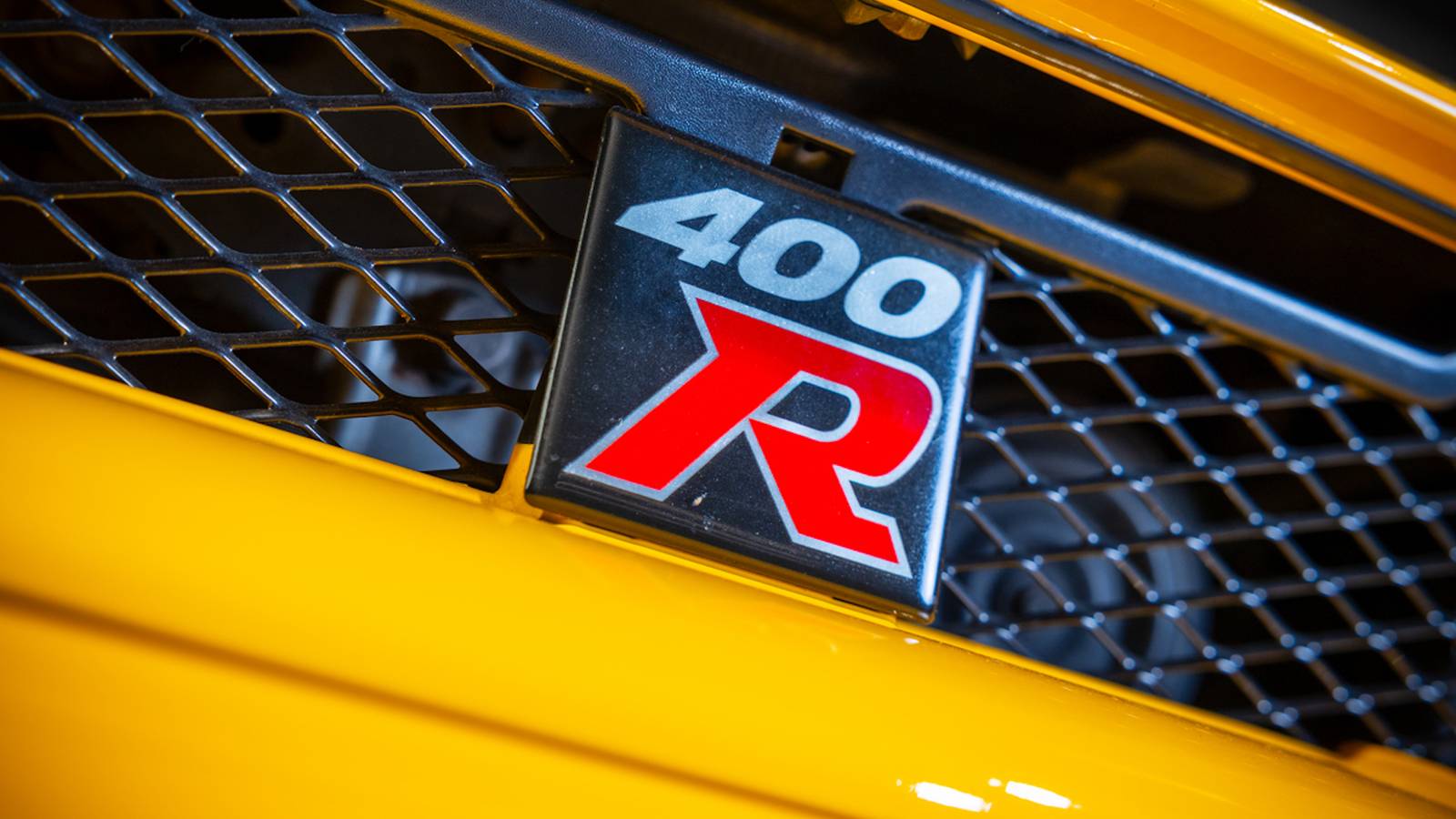
The famed JDM gentleman’s agreement was an agreement between Japanese manufacturers to limit the advertised horsepower figures to 276 hp and limit top speeds to 112 mph. The keyword is “advertised” because the actual power figures of many JDM performance cars far exceed that. For example, the Nissan R34 was advertised as having 276 hp, but the real figure was 330 hp.
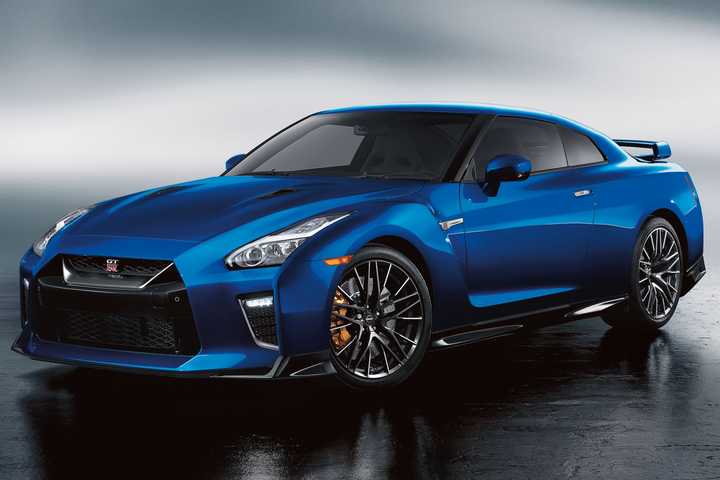

Base Trim Engine
3.8L Twin-Turbo V6 Gas
Base Trim Transmission
6-Speed Automatic
Base Trim Drivetrain
All-Wheel Drive
Base Trim Horsepower
565 hp
Base Trim Torque
467 lb-ft @ 3300 rpm
Fuel Economy
16/22/18 mpg
Infotainment & Features
7 /10


Find 2024 Nissan GT-R and more cars for sale on our Marketplace

The agreement aimed to avoid a horsepower arms race in the country. Nearly everybody followed this, but eventually Acura would be the first to break the deal. However, Nissan seemed uninterested in trying to hide it. A case in point: the hardcore offshoot of the Nissan R33 Skyline GT-R built by Nismo.
Nissan Goes Racing And Decides To Celebrate
Nissan 1996 Le Mans Race Cars Nissan
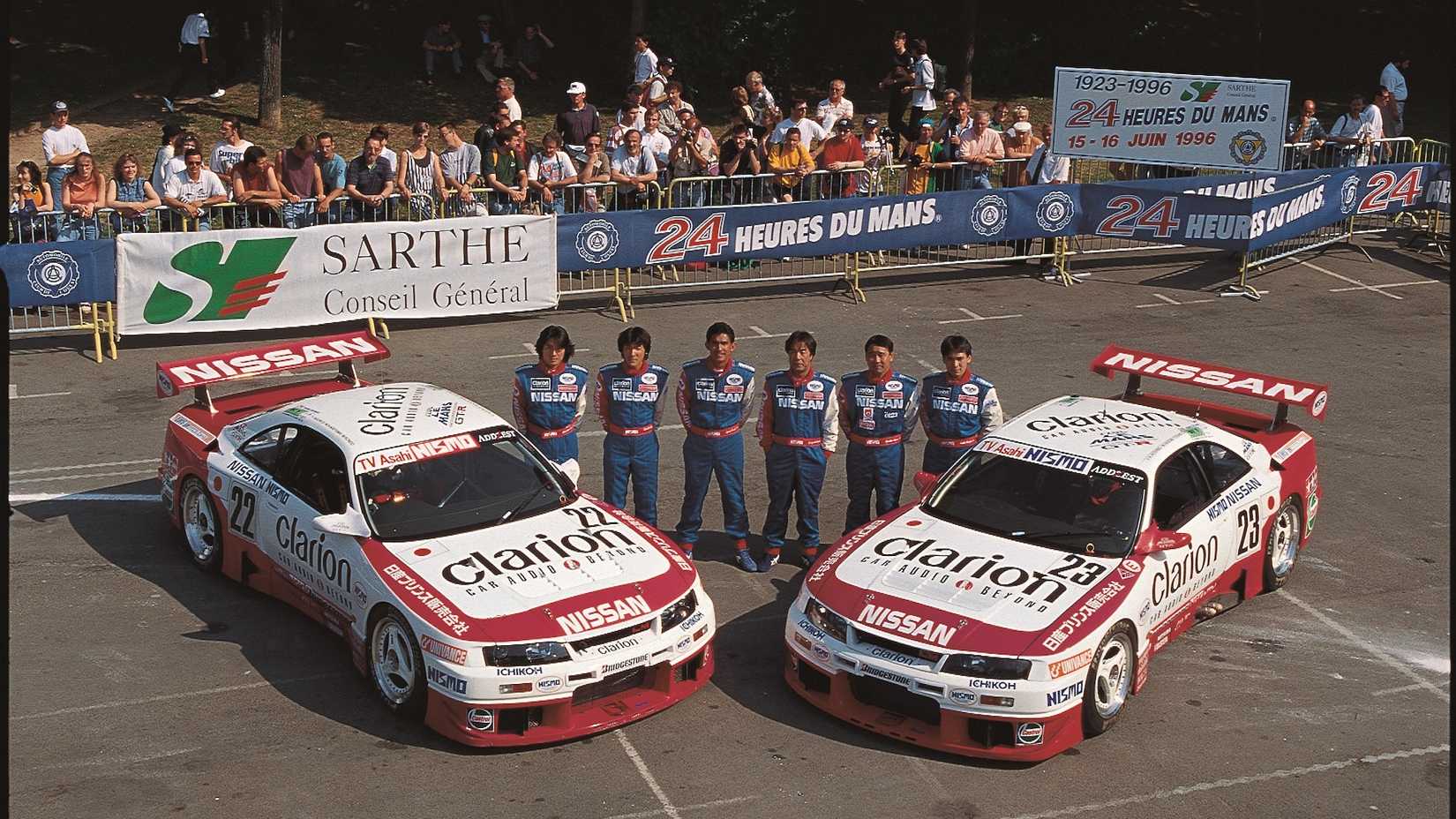
Nissan has a storied history in motorsport, which is evident in stories like the birth of the Nissan Skyline R32 GT-R’s nickname and the Nissan Skyline R34 GT-R’s dominance in the Japanese Super GT racing series. Nissan was particularly interested in victory at the 24 Hours of Le Mans. The Japanese automaker’s first swing at the hallowed endurance race was in 1986, when Nissan fielded the Nissan R85V, ultimately ending in a 16th-place finish, a decent effort considering it was their first outing.
1996 Nissan Le Mans NISMO GT-R LM Exterior Driving Through ChicaneNissan
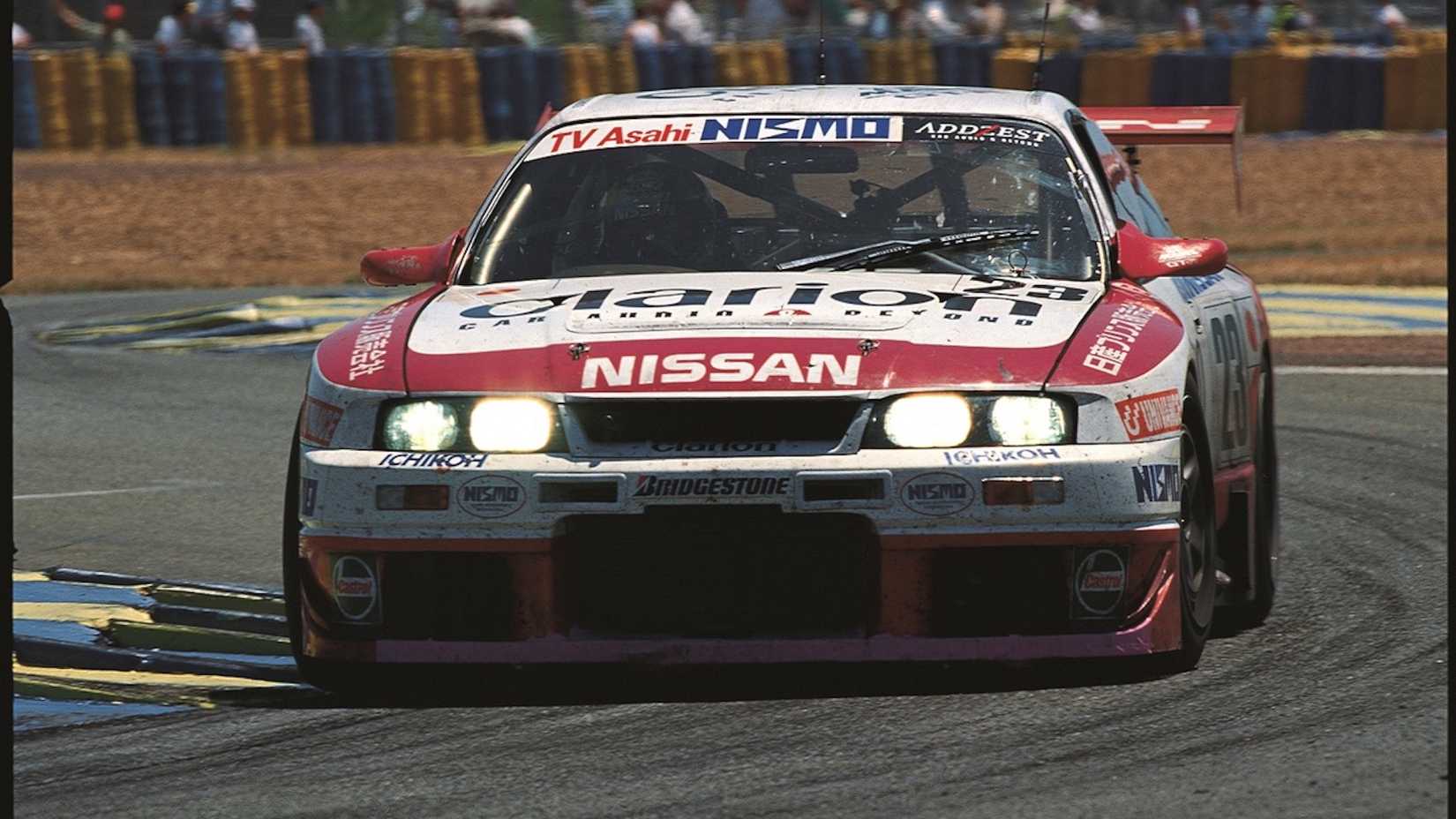
However, the Japanese automaker’s 1995 appearance at Le Mans is the one which matters for this story. That was the year when the Nissan Motorsport division – which we usually refer to as Nismo – fielded two examples of race cars based on the Nissan Skyline R33 GT-R that were referred to as the Nismo GT-R LM. These hardcore race-ready R33s were entered in the GT1 class at Le Mans, which the bellowing Nissan R390 participated in. Although based on the same car, the two races used different powertrains, and the #23 car that relied on a Group A-spec engine retired during the race because of a mechanical failure, while the #22 car with the N1 Endurance-spec engine finished 5th in the GT1 Class.
Related
The Used Supercar Slayer That Can Be Yours For Less Than $100K
Dubbed the “supercar killer”, what would have cost you up to $220k new a year ago can now be bought for less than $100,000.
As one would expect from a Le Mans endurance race car, the cars were powerhouses. To appease its customers’ request for a more hardcore version of the Nissan Skyline R33 GT-R, the company realized this desire, leveraging Nismo’s extensive history in motorsport, which would also be responsible for the car. An automaker’s performance division with a lengthy history in various motorsports, given the reins to a car’s development, is a recipe for success, and the Nismo 400R was a success, remembered as one of the greatest JDM cars of the 20th century.
Leagues Greater Than The Nissan R33 GT-R
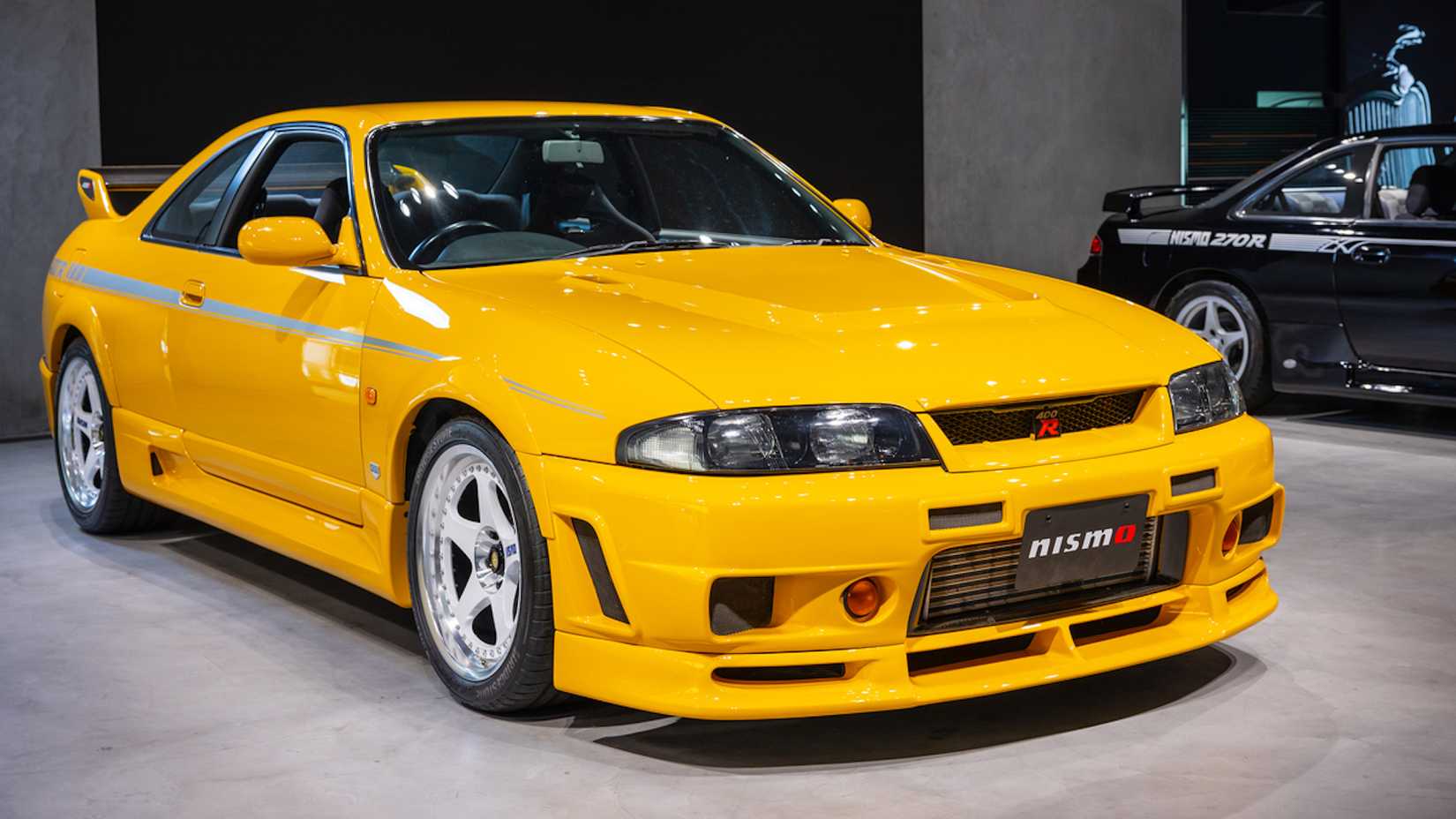
1998 NISMO 400R Exterior Finished In Yellow Nissan
Nismo 400R
Nissan Skyline R33 GT-R
Engine
2.7-liter twin-turbocharged inline-six
2.6-liter twin-turbocharged inline-six
Horsepower
400 hp @ 6,800 rpm
“276” (330) hp @ 4,400 rpm
Torque
346 lb-ft @ 4,400 rpm
241 lb-ft @ 4,500 rpm
0-60 mph
4 seconds
5.4 seconds
Top speed
186 mph
156 mph
The Nismo 400R is undoubtedly the greatest iteration of the Nissan Skyline R33 GT-R, barring the one-off carbon copy of the Le Mans GT1 car. Every aspect of the road car was changed in some way. Immediately noticeable was the altered physique characterized by the new front bumper, side skirts, hood, and rear bumper, to name a few. The steel unibody chassis that underpinned the R34 GT-R was reinforced by adding titanium strut braces and stronger bushings.
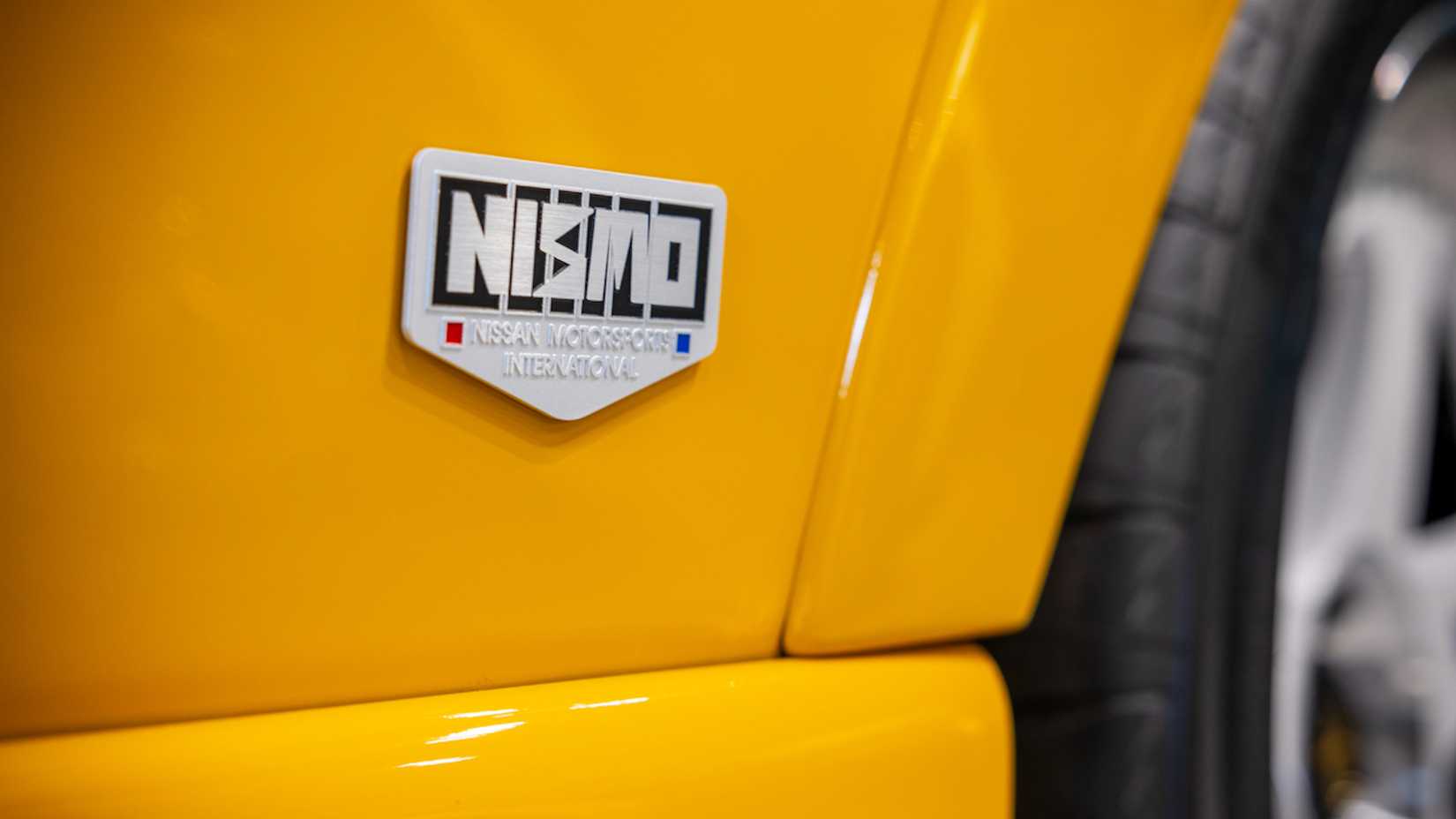
1998 NISMO 400R Exterior Finished In Yellow Badge Close-UpNissan
The suspension system of the R33 GT-R was replaced by an independent multi-link suspension system paired with Bilstein dampers unique to the 400R, and paired with Nismo’s Type D springs, and the offset of the wheel was changed from 30mm to 20mm. A change in the suspension also contributed to the 30 mm drop in the 400R’s ride height compared to the model it was based on, which was done to improve stability and handling through better poise. The 400R was also wider, roughly 50mm in comparison, but still featured an unchanged wheelbase length. The 400R was slightly heavier, but the significant increase in power diminished the handful of extra pounds.
Related
Nissan GT-R Generations: Everything You Need To Know In One Place
Although there’s just one generation of the iconic Nissan GT-R, it’s undergone some changes over the years.
Nismo didn’t simply tweak the R33 GT-R’s powerplant, the famed RB26DETT. Instead, it recreated the N1 Endurance engine used in the #22 Nismo GT-R LM, using the 2.6-liter RB26DETT as a base. Some of the notable changes were:
Displacement was increased to 2,771 cc from 2,568 cc.
N1-spec turbochargers, with metal turbines and reinforced actuators, used in the Le Mans race car, were also employed in the Nismo 400R. They operated with nearly double the boost pressure used in the standard R33 GT-R.
The head gasket was swapped for a metal Nismo head gasket to accommodate the larger cylinder bore, while the camshaft was left unchanged.
The oil cooler was changed to an air-to-oil cooler, and a high-strength Nismo intercooler was inserted.
Overseeing the hardcore RB-X GT2 inline six engine was a Nismo 400R exclusive electronic control unit.
A twin-plate chromoly flywheel connected to the standard R33 GT-R’s six-speed transmission was paired with the powerful engine.
That’s not even the beginning of everything that was changed in the engine, but the bottom line is that the 400R was given the kitchen sink and Nismo’s entire kitchen set. The result was a car that was far greater in terms of performance than the car it was based on. Not only that, but many of its parts were made exclusively for the Nismo 400R, so good luck trying to replicate using original parts.
Ultra-Rare And Ultra-Expensive
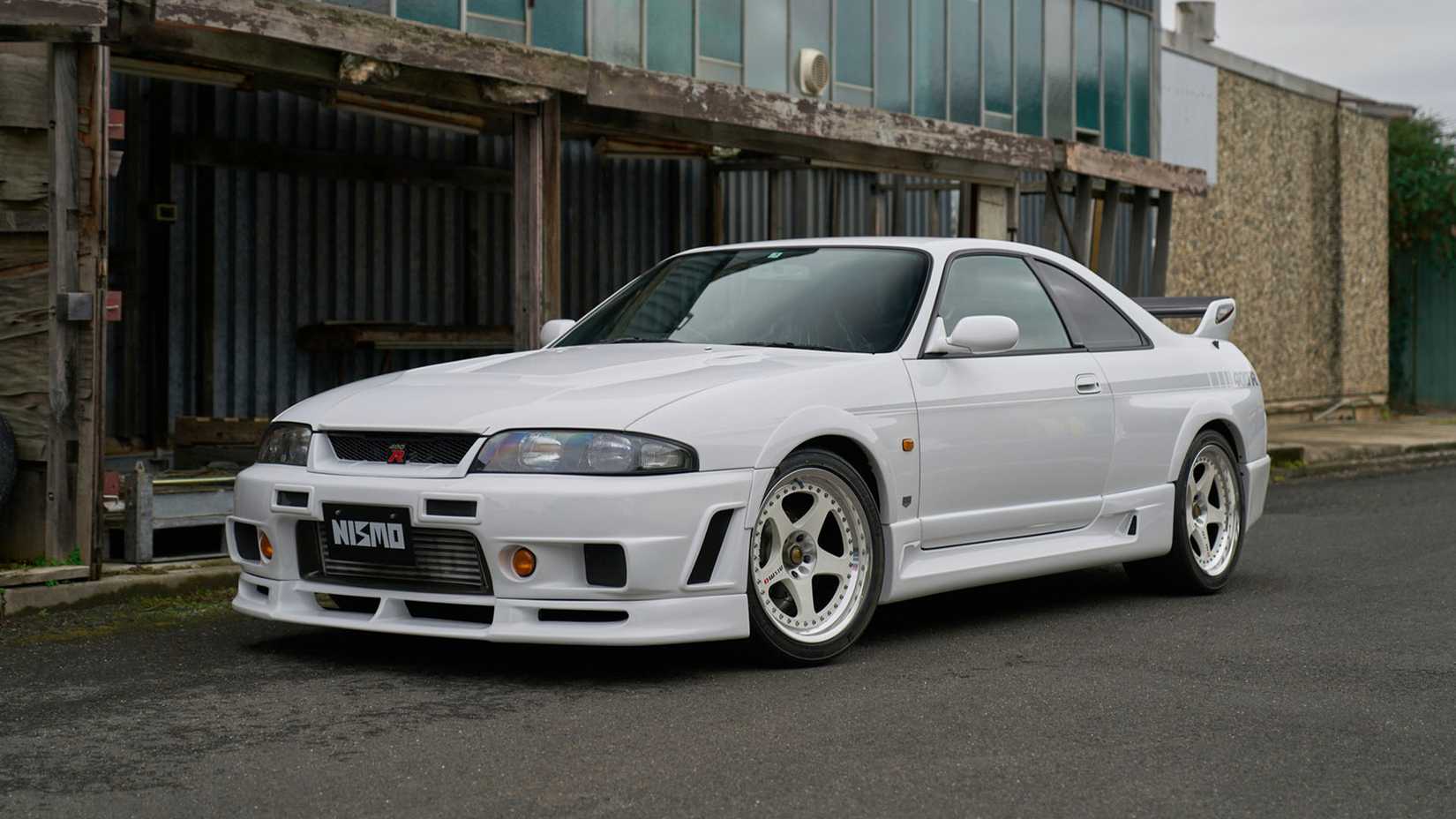
NISMO 400R (#18/44 – QM1 White)V-Spec Performance
Initially, Nismo intended to produce 100 examples of the Nismo 400R, but by the time production ended in 1998, only 44 examples were built. The 44 Nismo 400R units were hand-built, and while only about half still exist, an example of any of these hardcore R33 GT-Rs can fetch a pretty penny at auction. The Nissan R34 GT-R is the most expensive generation of the GT-R. Still, whatever price is being asked, a standard Nissan Skyline R34 GT-R can be sold for roughly $300,000, which doesn’t compare to any example of the 400R.
Related
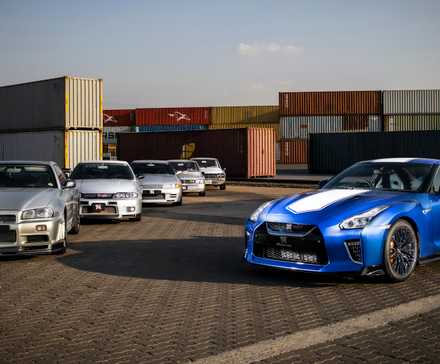
Here’s How Much You’ll Pay For Every Generation Nissan GT-R
Six generations of the Nissan GT-R exist. This is what every generation costs on the used market.
In 2022, an example of the Nissan Skyline R34 GT-R was listed for sale by a dealership called Harlow Jap Autos for the small fee of $2.2 million. However, that extreme asking price is likely inflated because it was the last Nismo 400R. We’d imagine that because of the significance of the Nismo 400R, the remaining examples of the Nismo-bred R33 GT-R aren’t likely to appear often at any auction. Still, while the Nismo 400R was the ultimate expression of the Nissan R33 GT-R, it was the ultimate iteration of the Nissan GT-R.
A GT-R Greater Than The 400R
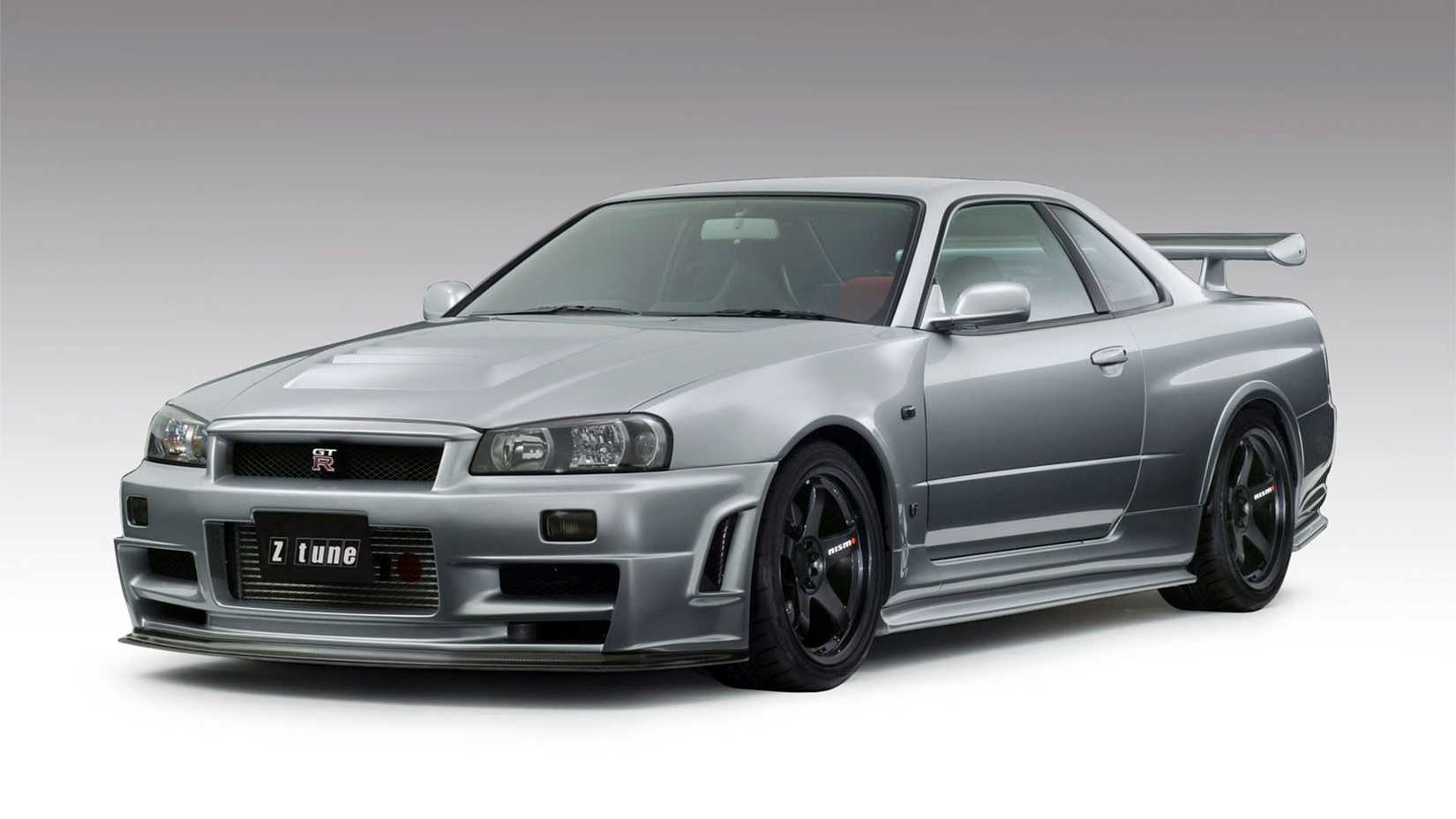
Nissan Skyline GT-R (R34) Z-Tune front 3/4 Nissan
Nissan Skyline R34 GT-R Z-tune
Engine
2.7-liter twin-turbocharged inline-six
Horsepower
493 hp @ 6,800 rpm
Torque
398 lb-ft @ 5,200 rpm
0-60
Top speed
115 mph
The Nismo R34 GT-R Z-Tune is honored to be called the ultimate GT-R. A concept envisioning the R34 Z-Tune was introduced in 2000 and debuted at the Nismo Festival that year. Like the Nismo 400R, the R34 GT-R Z-Tune’s entire frame was not similar to the car it was based on, which, in this case, used examples of the R34 GT-R.
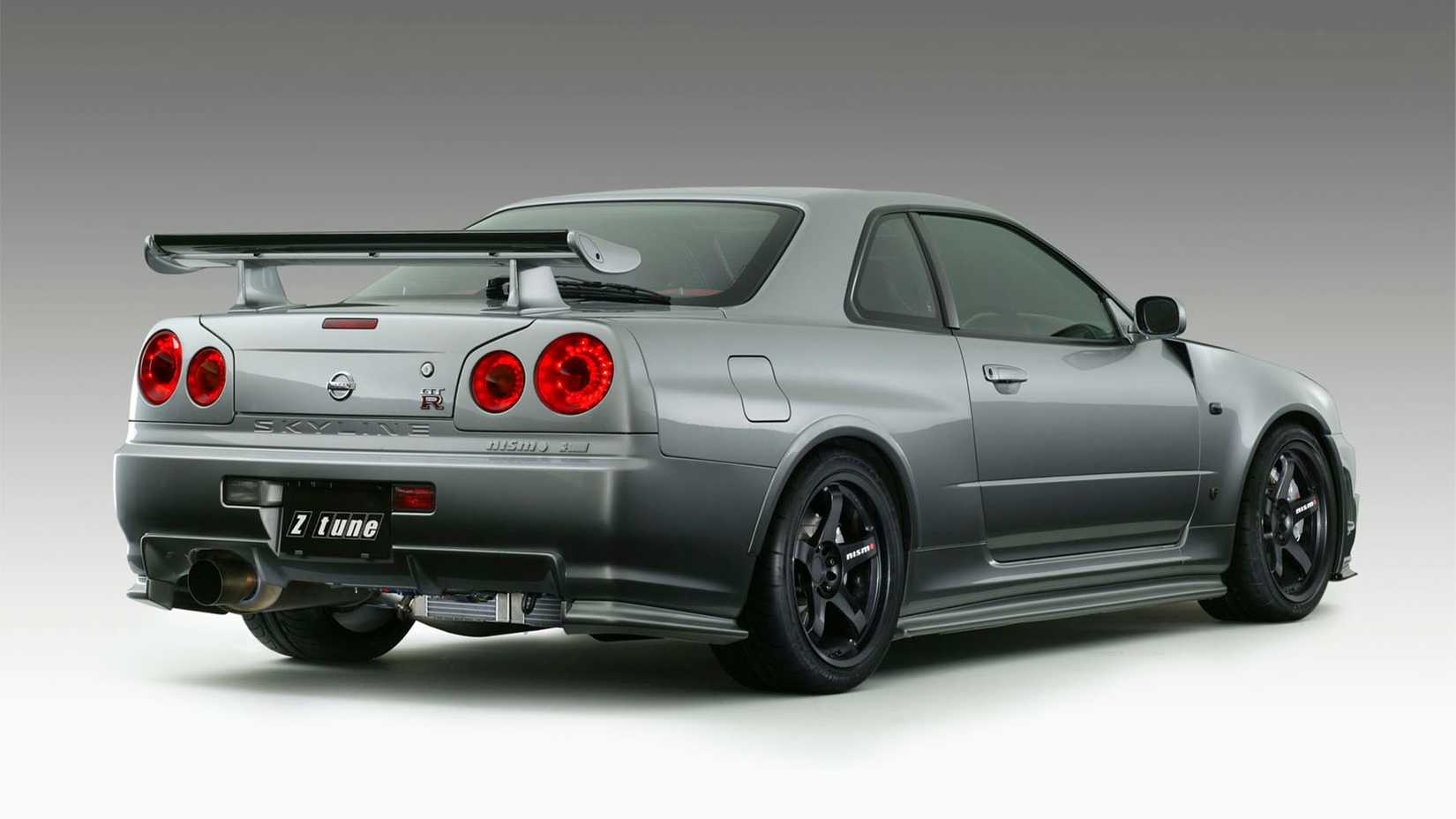
Nissan Skyline GT-R (R34) Z-TuneNissan
This included extensive changes to its body, suspension, braking, drivetrain, and most notably, the engine. Power was coaxed to within arm’s length of the Nissan R35 GT-R, although it is outclassed in terms of power output by the R35 GT-R’s Nismo variant, but that power doesn’t make the fact that the US model doesn’t get those cool carbon bucket seats any easier to swallow. Only 19 examples of this extreme offshoot of an already extreme JDM legend were made, making it one of the rarest Nissan GT-R models ever.