
The 27-year-old kindergarten teacher assistant in San José had enlisted her mother to travel from Ireland to help with post-surgery recovery, including the weeks Howell must spend on crutches. But the setback upended those plans, as rebooking her mother’s flight and lodging would cost hundreds more dollars.
“It’s just so frustrating because we just want care, and we deserve care. I pay my health insurance, and I pay my premiums, and where is that money going?” she said, adding that she wants Kaiser executives to work urgently to resolve the strike. “Help people get care, because that’s what their company is supposed to be for. But instead, people are suffering.”
Meanwhile, labor negotiations are at a standstill, with both parties accusing each other of halting progress. Kaiser is refusing to meet with national union negotiators, saying it is shifting unresolved contract issues to local bargaining tables. The union, which has called that move illegal, filed a federal unfair labor practices complaint against Kaiser.
Union-represented employees want a 25% raise over a four-year contract, with no cuts to pensions and other benefits, as well as more input on scheduling and staffing ratios. The company, which has dismissed claims of chronic understaffing or declining patient care, has stuck for months to its offer to increase wages by 21.5%.
“I’ve put all of these years into this company, and to see that it has come to this, it’s very overwhelming and it’s heartbreaking,” said Christina Thomas, a 40-year-old pharmacy technician with the United Food and Commercial Workers who walked off the job this week.
The mother of two said wages have not kept up with inflation, while she and co-workers struggle to fill thousands of prescriptions daily at a Lancaster pharmacy.
 The Kaiser Permanente Oakland Medical Center in Oakland on Oct. 4, 2023. (Martin do Nascimento/KQED)
“At the end of the day, we are striking for our patients, and so that Kaiser can wake up and come back to the table,” she said.
As a nonprofit health plan and care provider, Kaiser reinvests its revenue into facilities and services for patients. The organization, founded in 1945, has grown to serve more than 12 million people in eight states and the District of Columbia, emphasizing preventive care.
Company executives argue that greater wage raises are unsustainable and would increase members’ premiums at a time when massive budget cuts to Medicaid and other federal policies could make insurance unaffordable for millions of Americans. Under the Trump administration, Kaiser and other health care systems face an uncertain financial forecast with potential revenue losses and increased costs.
As the work stoppage drags on in California, where most Kaiser customers are located, the company risks increasing reputational damage among not only its patients but also its workforce, resulting in longer-term costs, according to health care business experts.
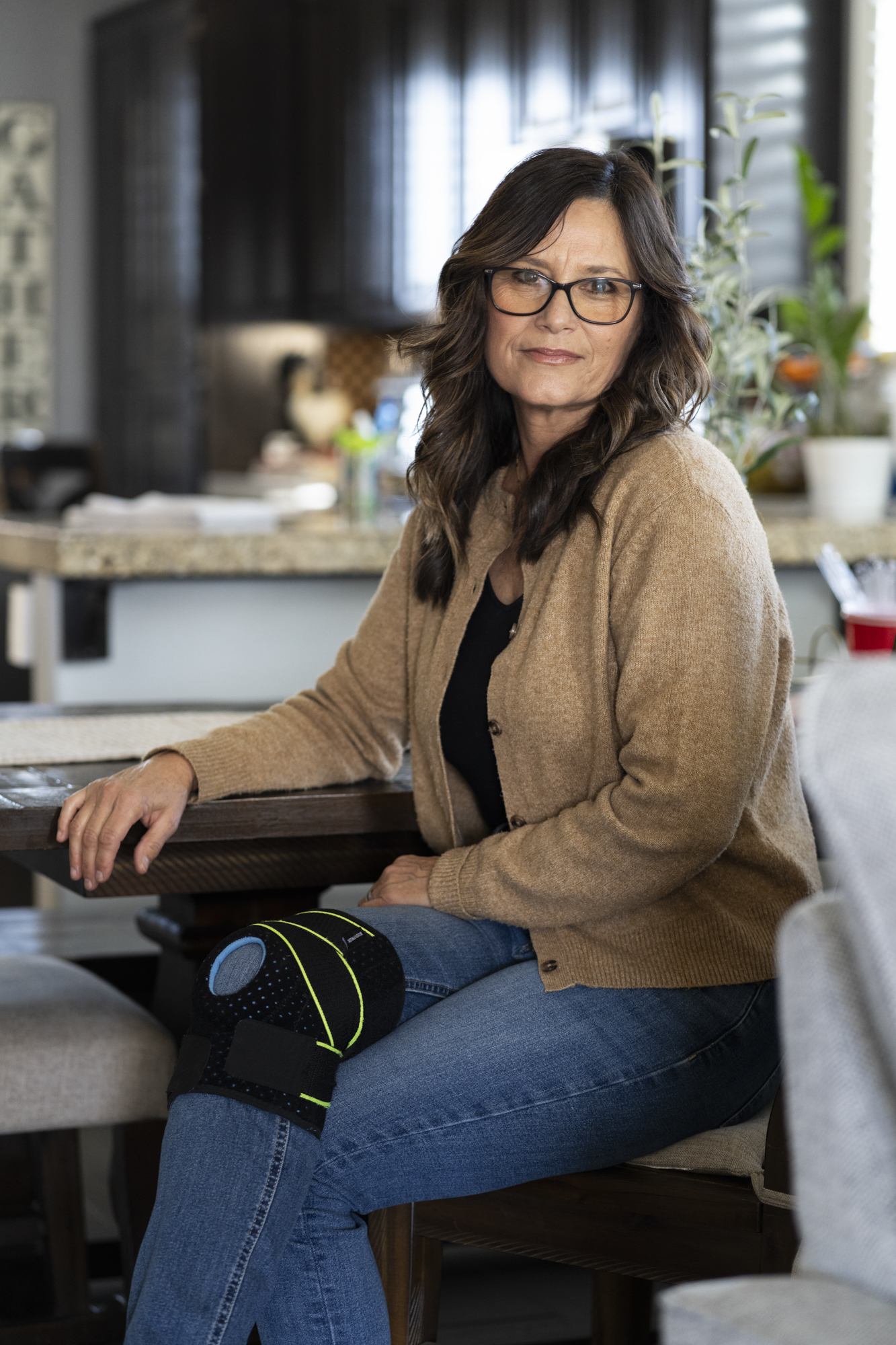 Carrie Esqueda at home in Wildomar, California, on Monday, Feb. 9, 2026. (Lauren Justice for KQED)
“The bigger economic risk isn’t what the strike costs this week, but it’s what happens if workforce distrust becomes structural at Kaiser, because you will get higher turnover, you’re going to have higher recruitment costs,” said Michael Skolnik, academic director of the Dominican University of California’s health care executive MBA program.
Patients like Alice Gallagher sympathize with the strikers but fear further disruptions. Last week, the San Diego County clarinetist said she was temporarily unable to order her medication for epilepsy via the Kaiser app. She tried calling her local pharmacy and then a regional number, she said, but nobody would help her.
Gallagher, 46, started to panic.
“If I don’t have my medication, I end up in the hospital… because my seizures are so bad once they get out of control,” she said, adding that, as she can’t drive, it would take her hours to travel on paratransit to visit her pharmacy.
Gallagher was later able to order her prescriptions online. But the experience left her wondering about other vulnerable patients in need of timely care.
“I had my moment of panic,” she said. “But for someone who’s just been diagnosed with something and feels overwhelmed, or someone who has cancer and then they are at the mercy of this stalemate in the negotiations, that’s who’s really suffering. That’s what’s really tough here.”
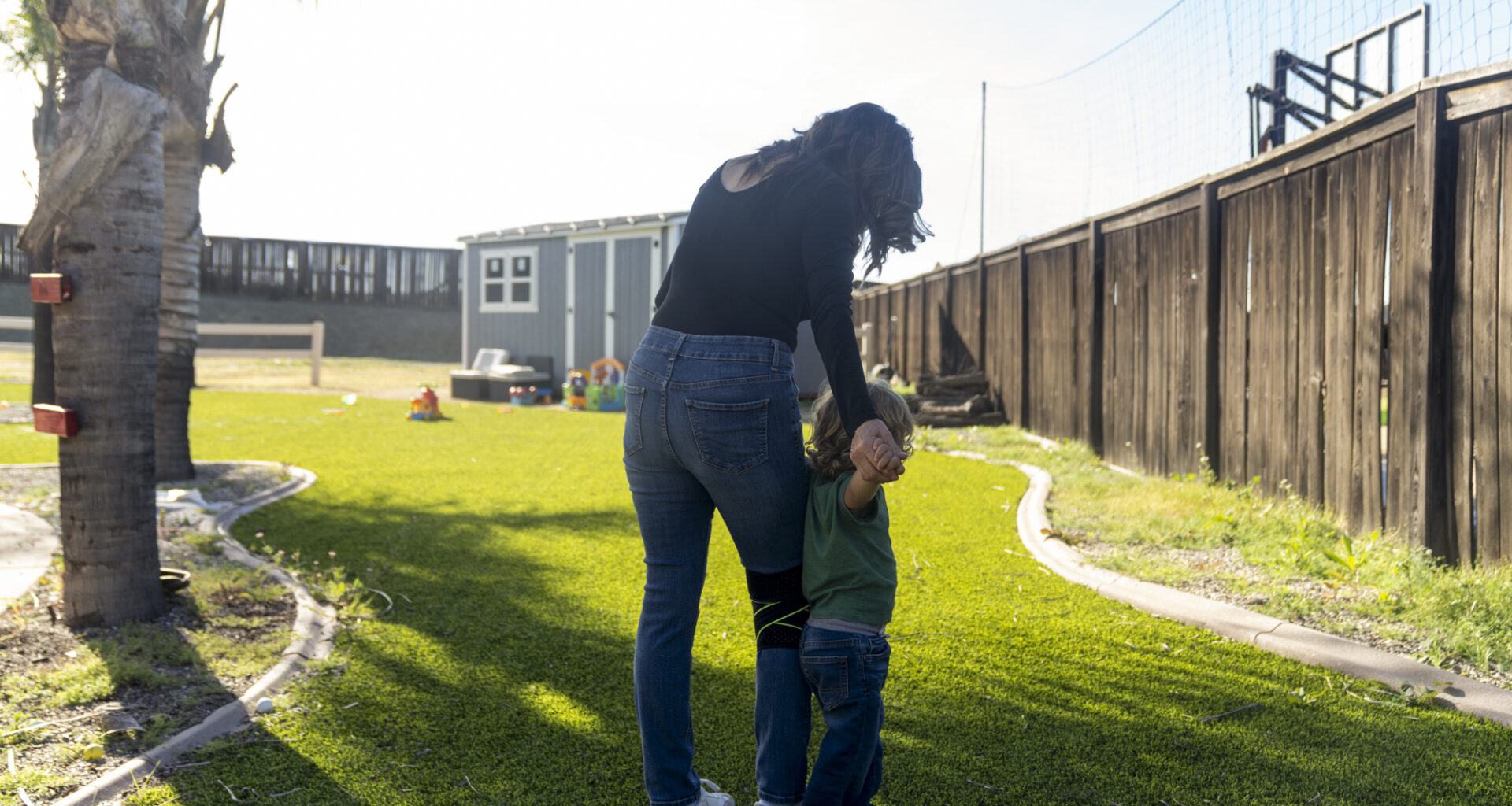
Esqueda, the real estate agent with a torn meniscus, said that she’s watching the news daily, hoping that Kaiser ends the strike so that she can get the surgery she needs to heal.
“I’m just praying that they get to some resolution,” Esqueda said. “I hope they listen and take into consideration that there are people’s lives that are being turned upside down.”