
 RONNIE KOENIG
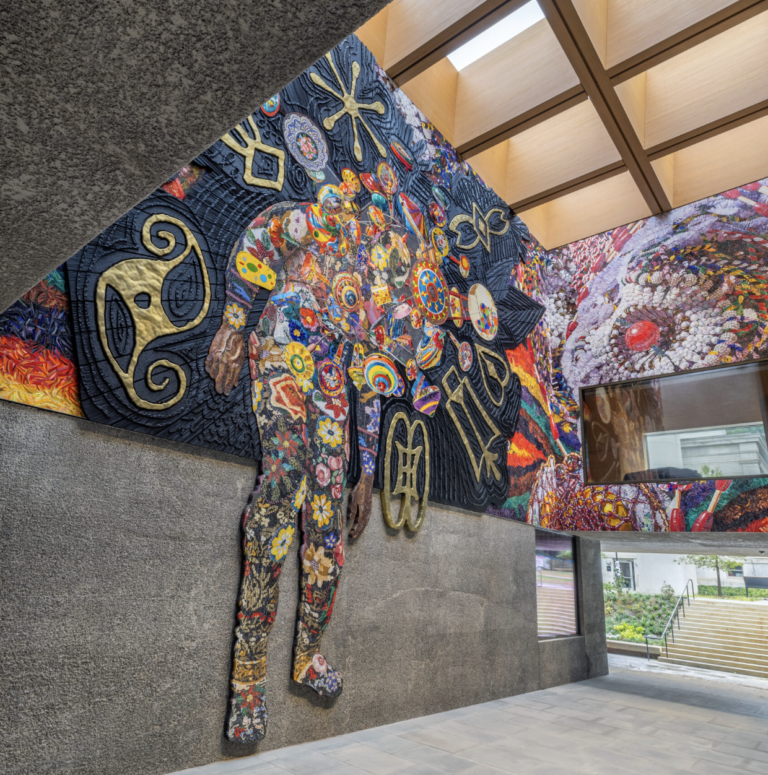
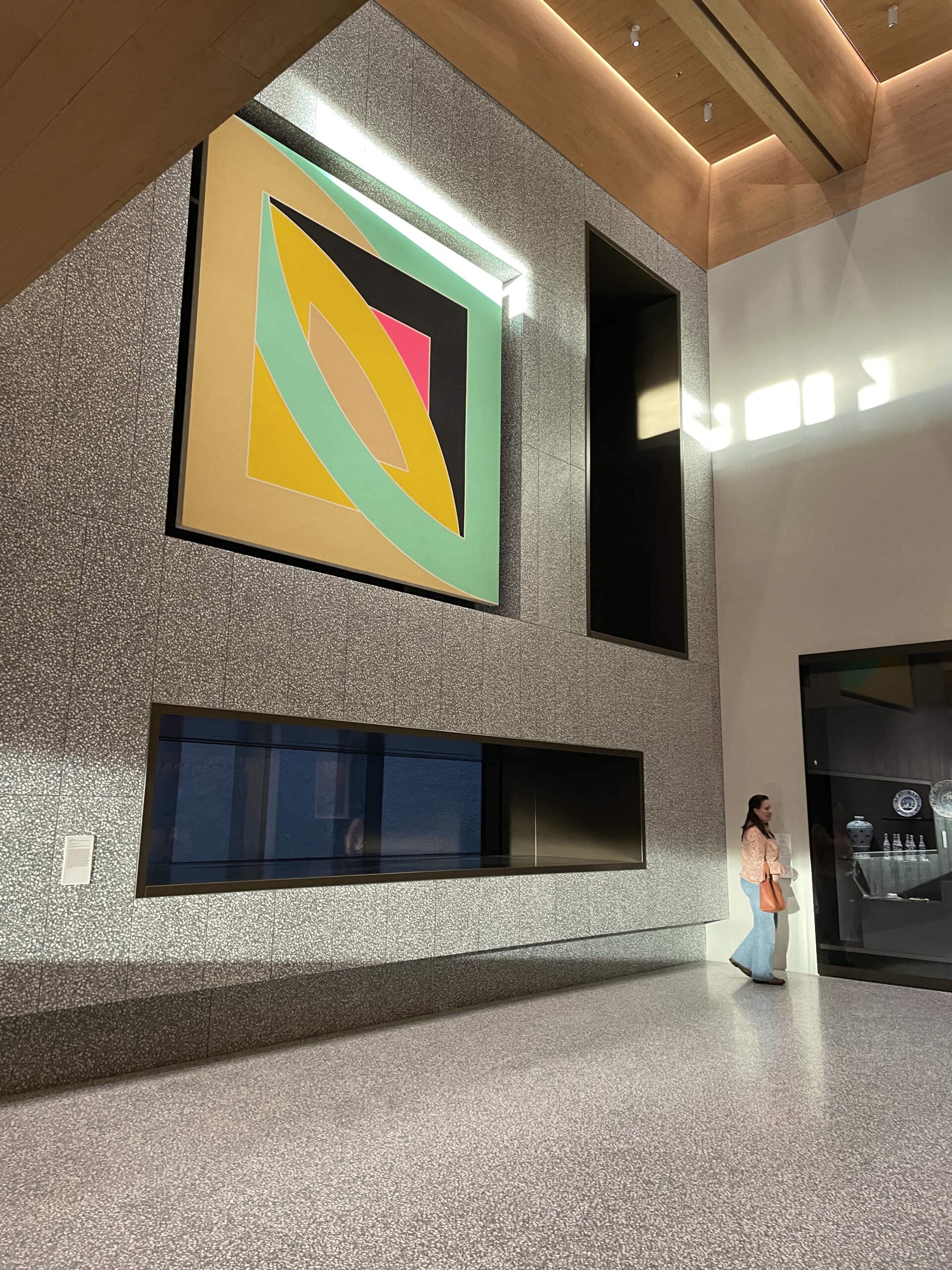
After years of anticipation, the Princeton University Art Museum has reopened—and stepping inside feels like discovering an entirely new space. I visited with my twins and our close family friend, affectionately known as “Fun Uncle Mark,” and even for those of us who had been to the museum years ago, the transformation was striking. What was once familiar now feels open, light-filled, and deeply connected to the Princeton campus itself.
 RONNIE KOENIG
A Bold New Museum at the Heart of Campus
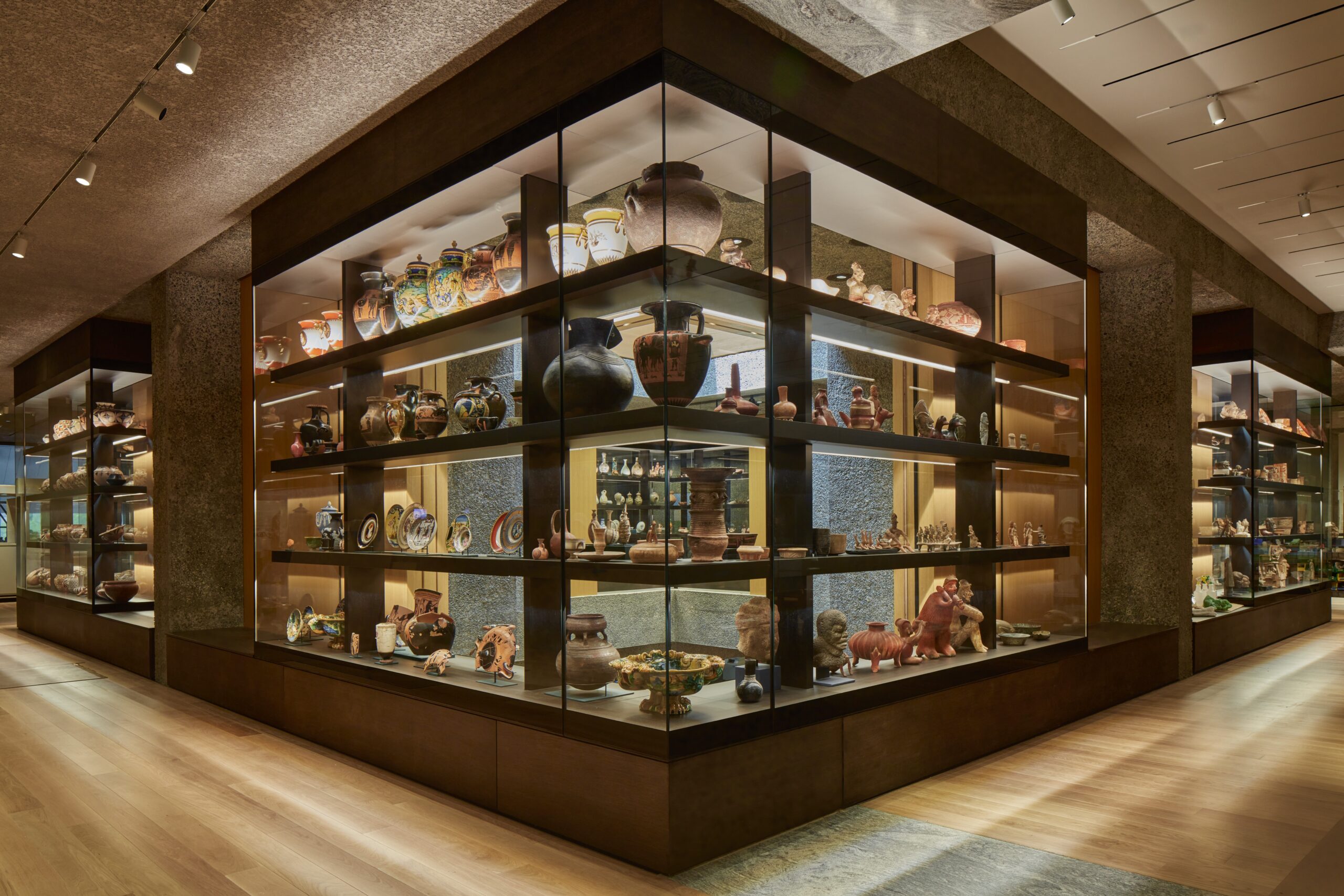
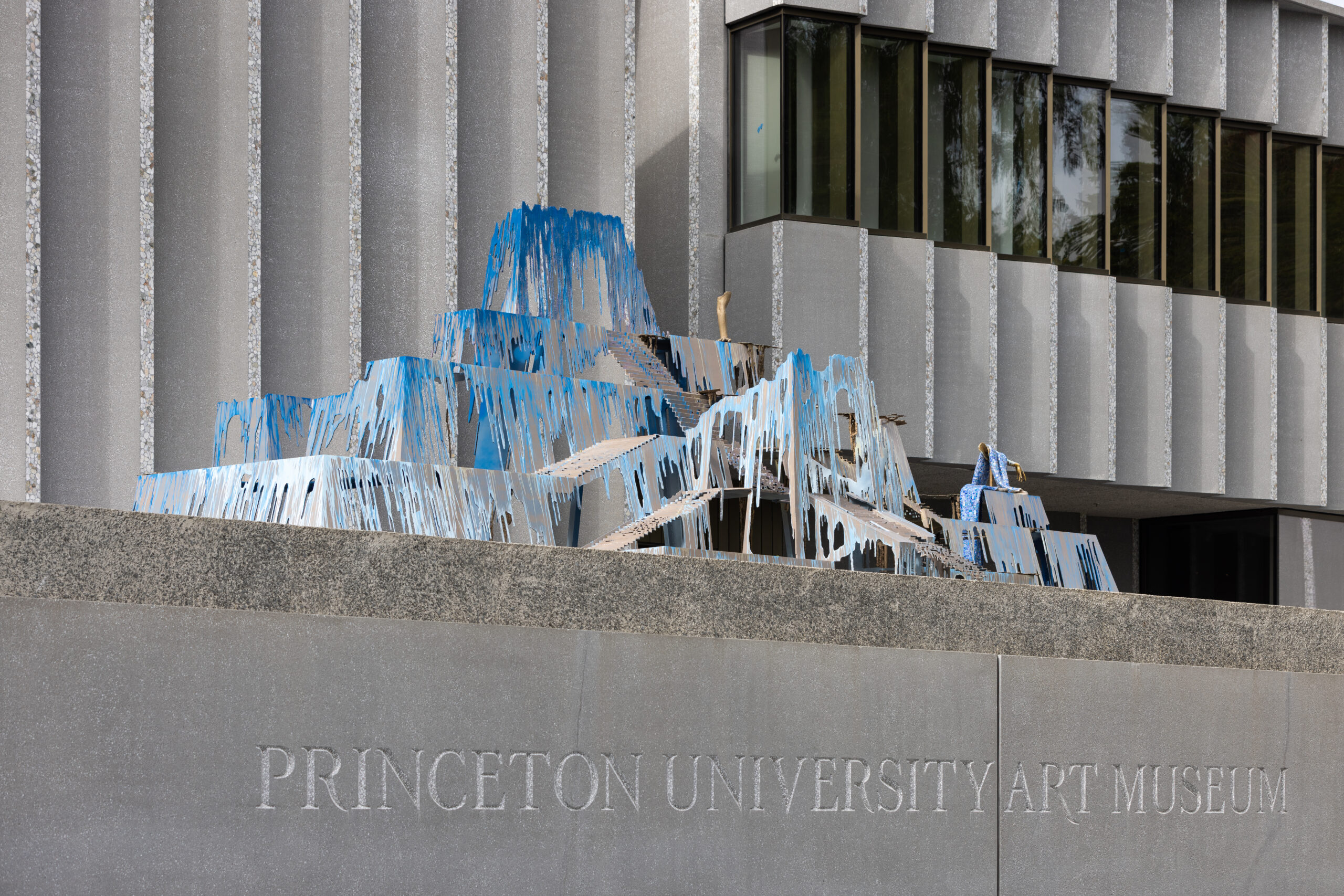
The newly reopened Princeton University Art Museum stands at the center of campus in a 146,000-square-foot building that nearly doubles the exhibition space of the old facility. It contains more than 117,000 works of art spanning 5,000 years from cultures around the globe.
 PRINCETON UNIVERSITY ART MUSEUM
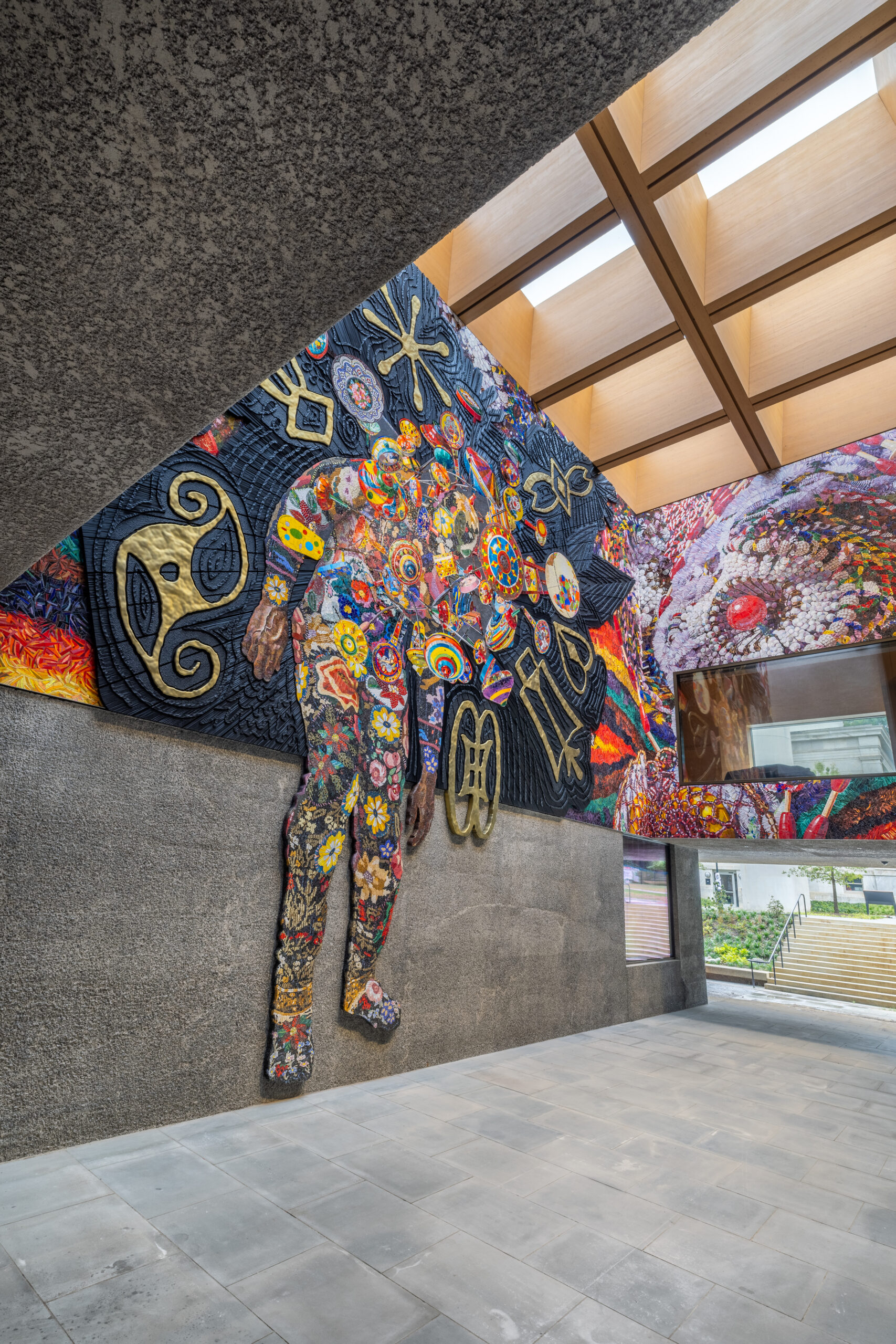
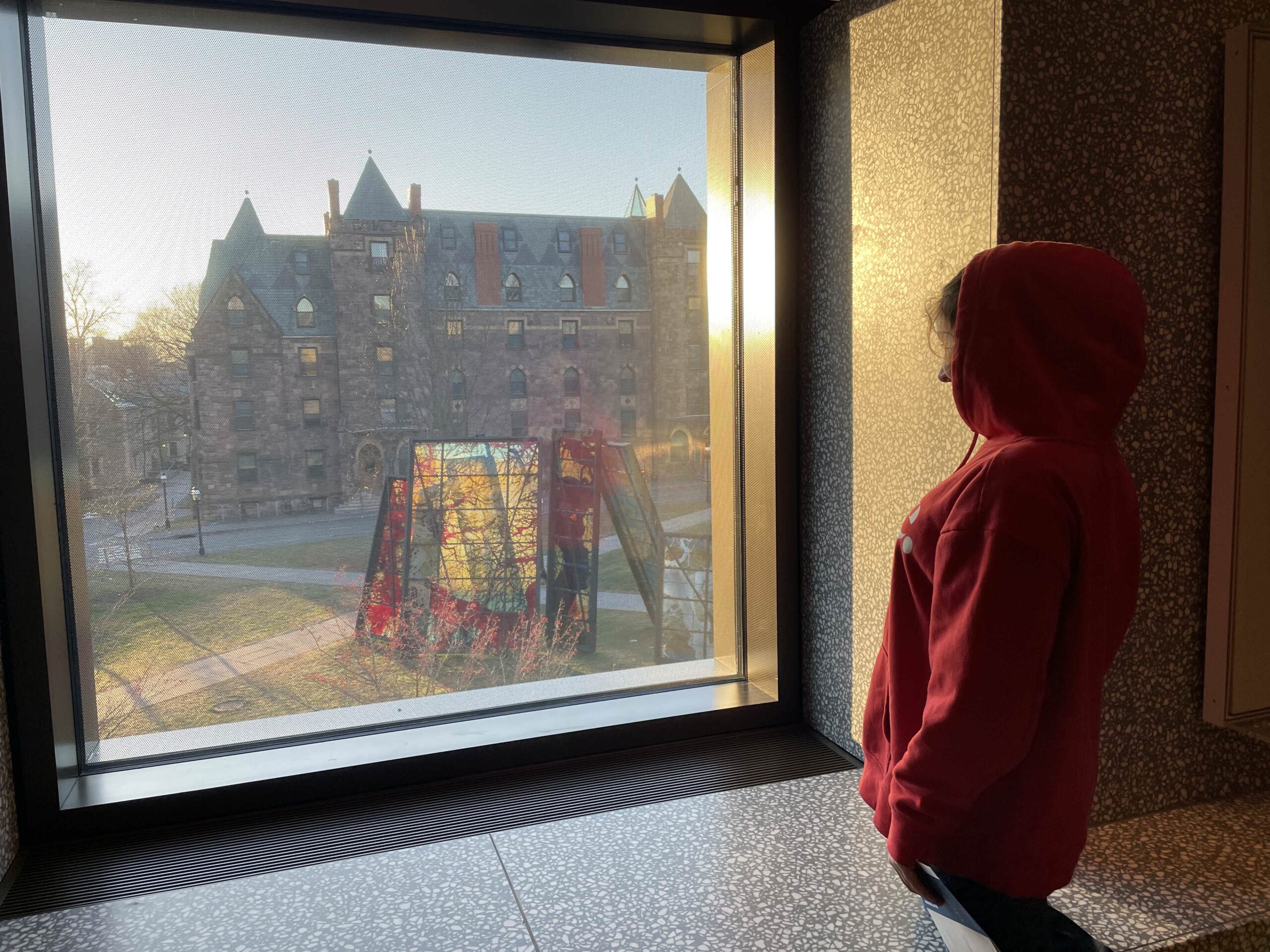
After five years of construction and a decade of planning, the museum opened its doors to the public in late 2025. Designed by Adjaye Associates, in collaboration with executive architect Cooper Robertson, the renovation aimed to create a “town square for the arts and humanities,” fostering openness, curiosity, and connection for students, faculty, locals and visitors. The architecture encourages wandering, letting light, art and campus views interact naturally with each other.
 RONNIE KOENIG
Exploring the Museum with Kids
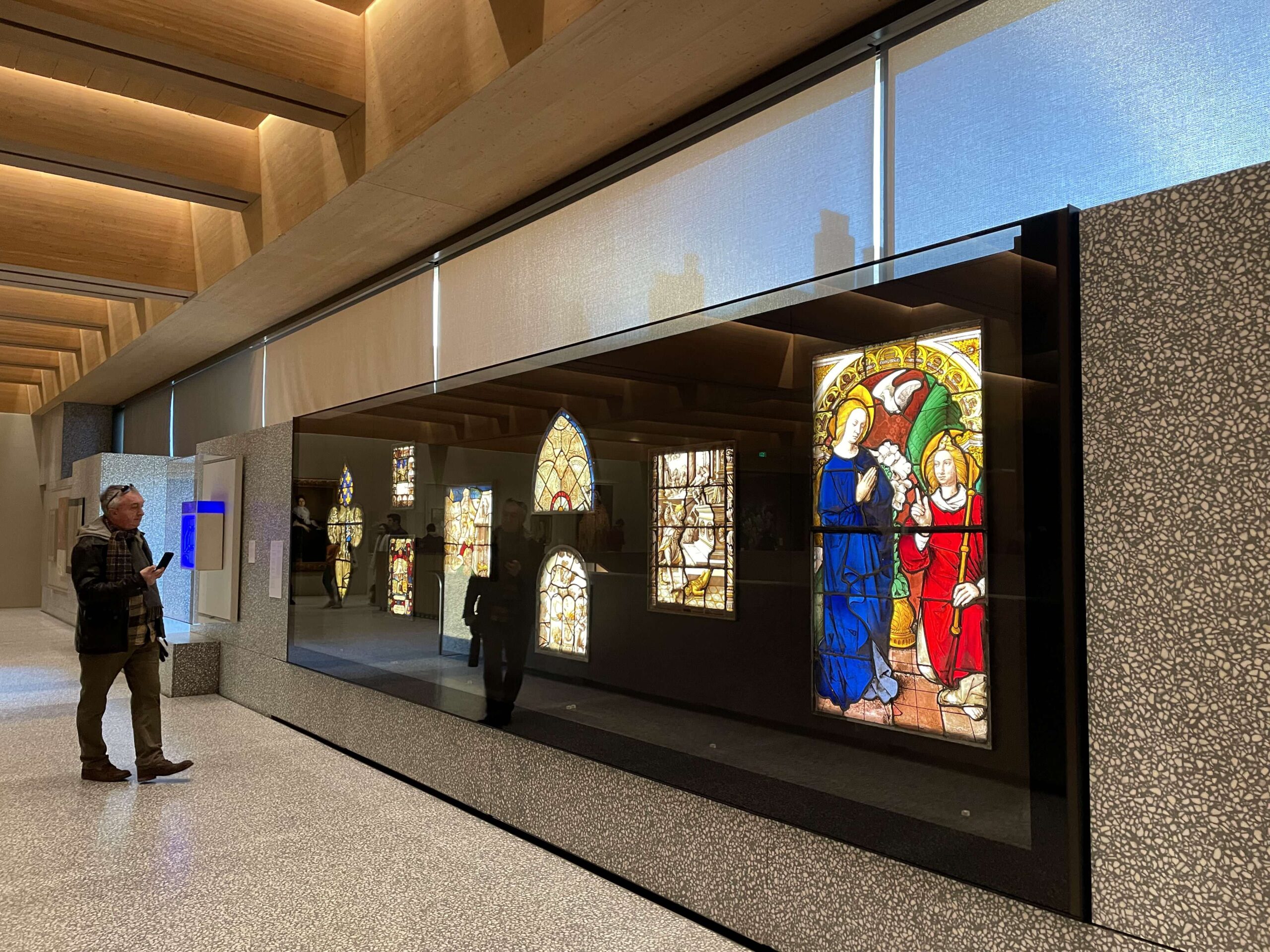
My son and I last visited the museum years ago when we first moved to Princeton and walking into the new space was a revelation. Sunlight streamed through expansive windows, illuminating abstract works in ways that made them feel alive. My daughter confidently identified Andy Warhol’s iconic Marilyn Monroe as Madonna, which sparked a fun conversation about pop culture and art.
 RONNIE KOENIG
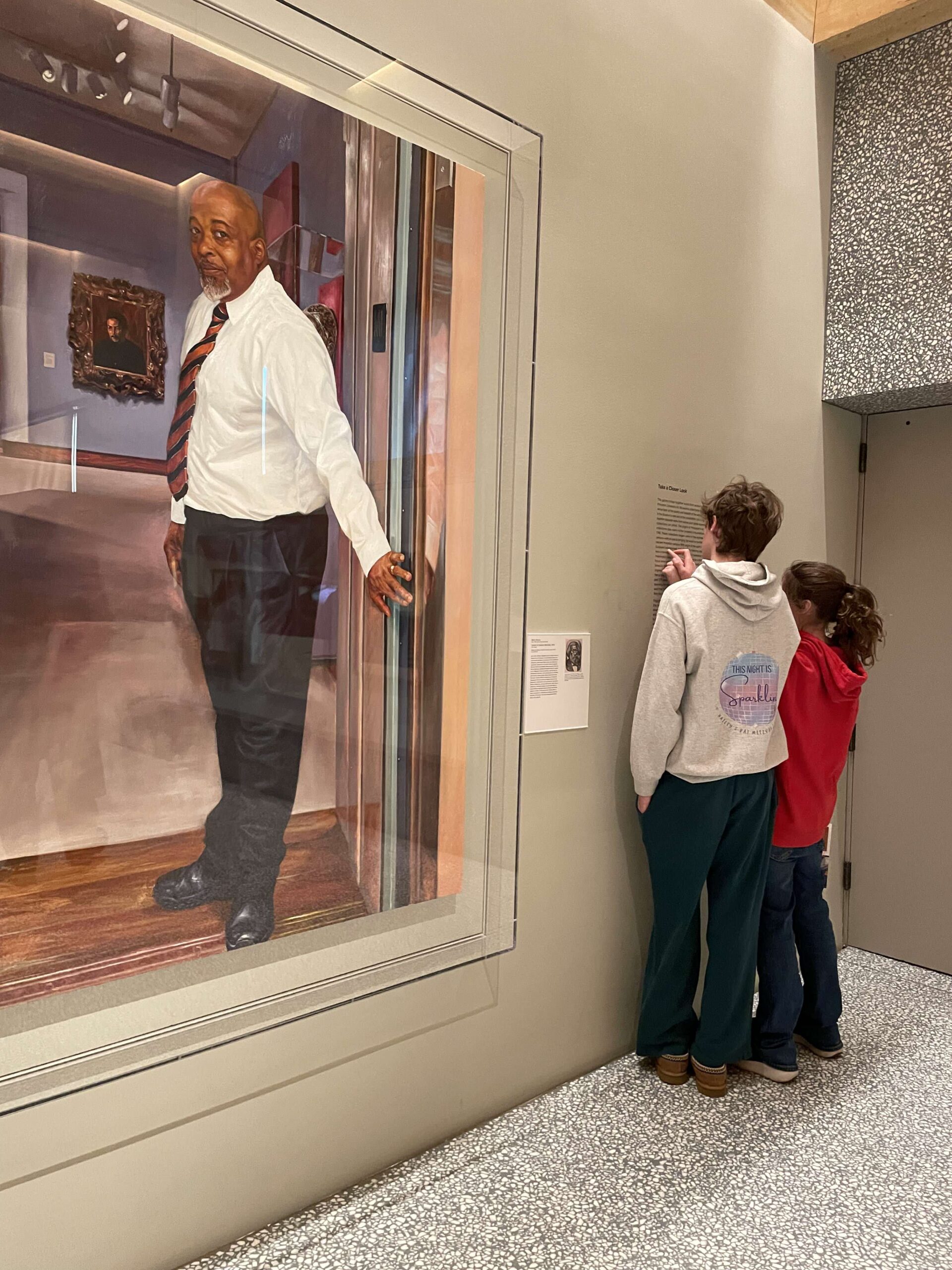
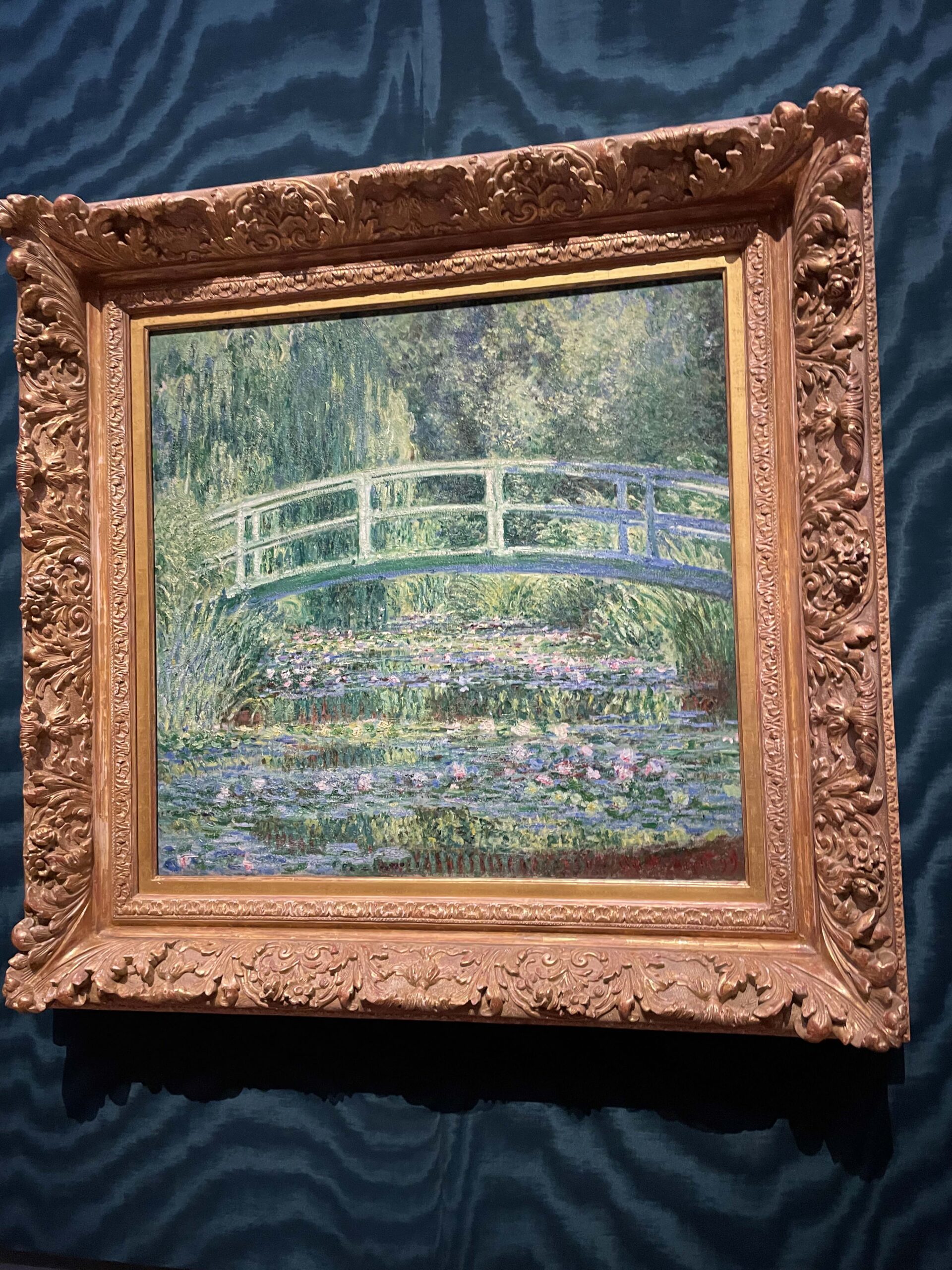
Elsewhere, we were moved by “The Center of Creation (Michael)” by Mario Moore, a portrait of the museum’s longtime security guard holding the door open—a reminder of the people who make a museum feel welcoming. And then there was “Water Lilies and Japanese Bridge” by Monet — serene, reflective, and luminous.
 PRINCETON UNIVERSITY ART MUSEUM
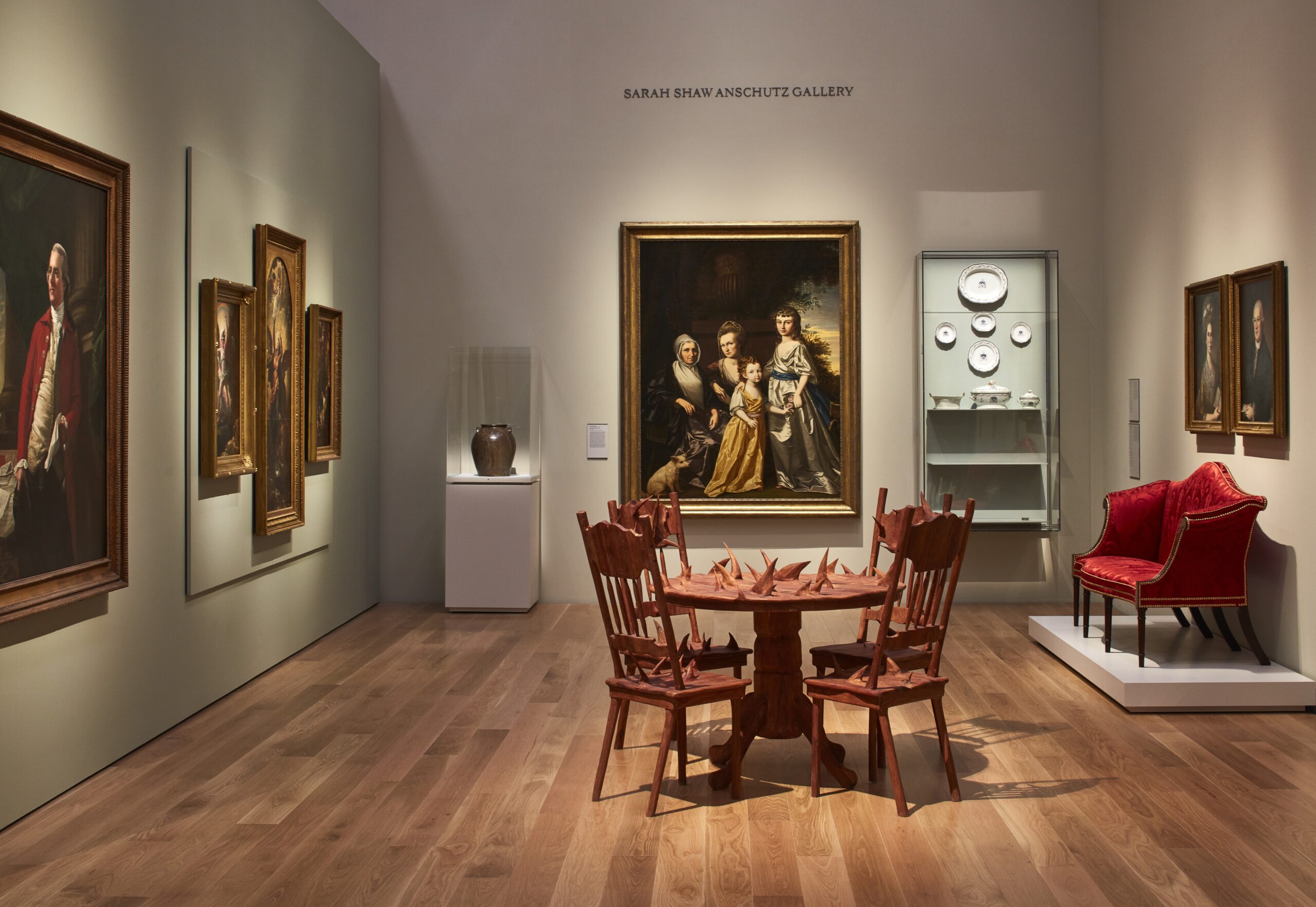
The museum is designed to be intuitive and inviting for visitors of all ages, with family-friendly programs like art-making workshops. Even teens who might normally rush through a museum will find themselves stopping to take it all in.
 GAB BONGHI
Lunch at Mosaic: A Culinary Stop for the Senses
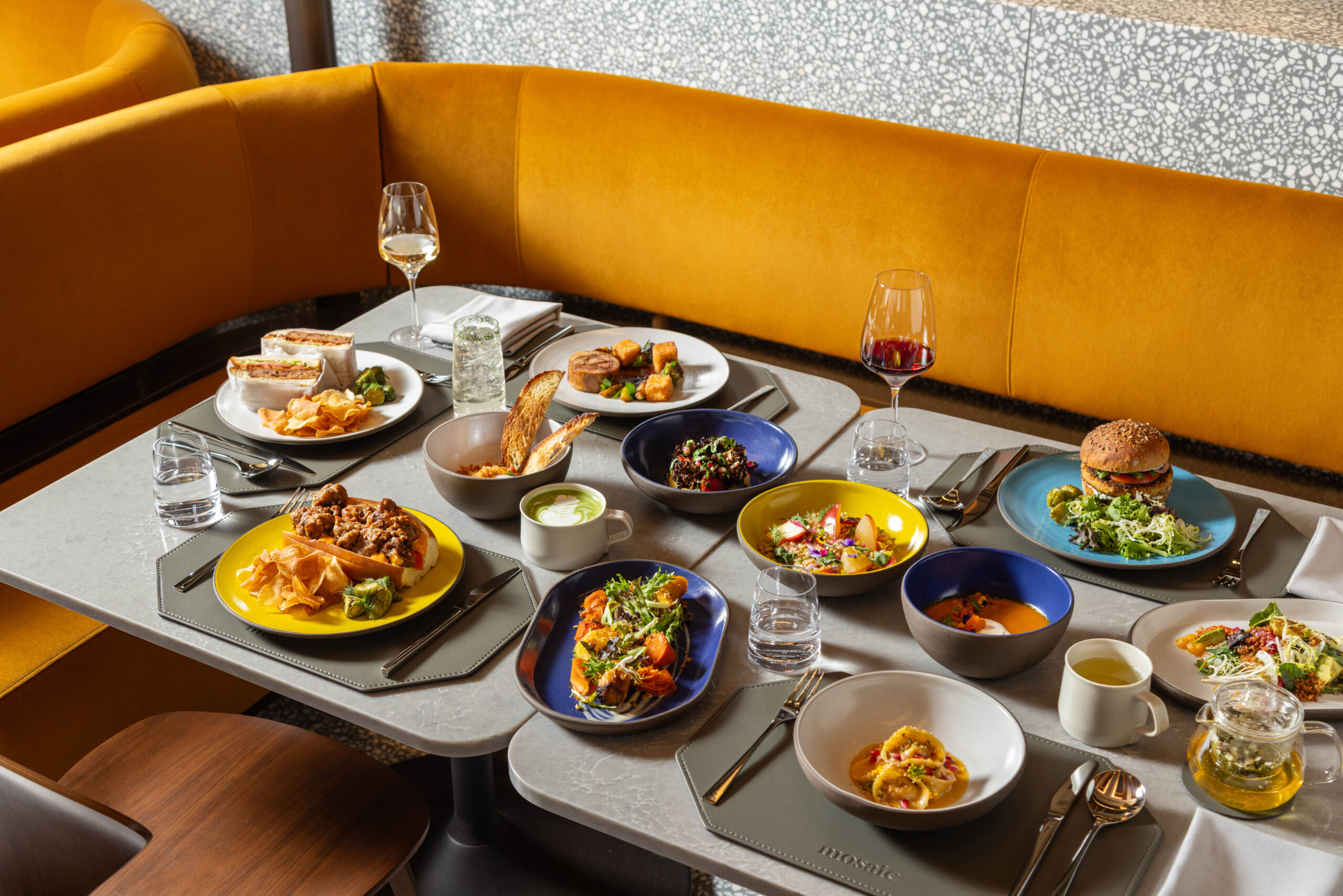
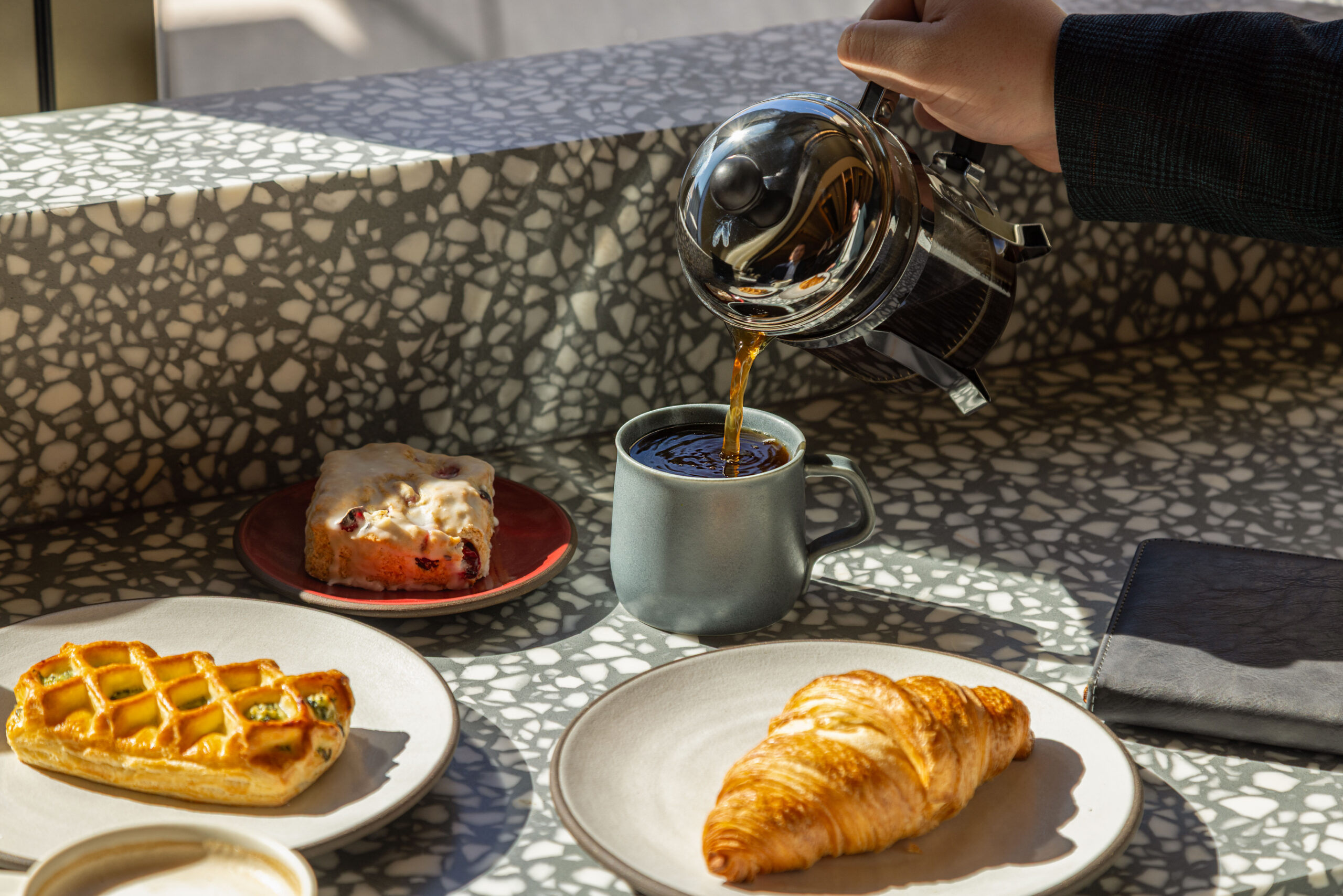
After exploring, we headed to Mosaic Restaurant, the campus’s vibrant new eatery located on the third floor of the museum. Everything from the menu to the tableware to the hospitality is an extension of the museum’s artistry. There’s indoor and outdoor seating, and on a cold winter day we were welcomed in by restaurant manager Aaron Santizo who immediately made us feel at home. While Mosaic doesn’t serve alcohol unless you’re a Princeton University club member (including faculty, staff, affiliates and Art Museum members), we had a chance to sample the inventive mocktails including the yummy Cederberg Soda, their take on an Arnold Palmer which featured rooibos tea, vanilla, citrus, and soda.
 GAB BONGHI
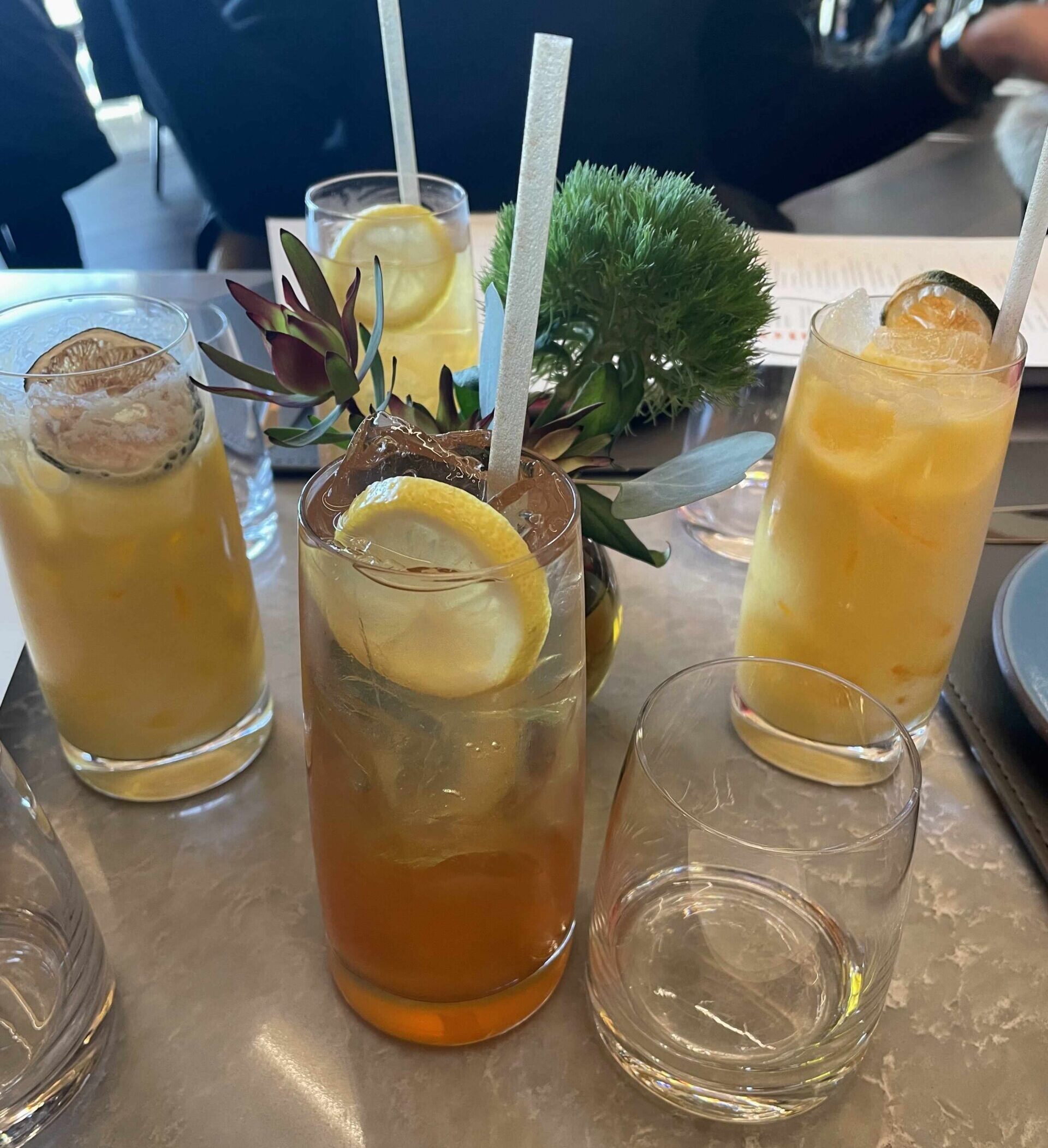
Lunch was a highlight of our day, and the creations of executive chef Eric Dantis were thoughtful, seasonal and delicious. We particularly enjoyed the Honeynut Squash Soup, the flavorful Smoked Trout Sandwich and the perfectly tender Cappelletti. Mosaic also offers desserts such as a crepe cake, bakery items including croissants and specialty coffee drinks such as lattes, cappuccinos and personal French press coffee.
 RONNIE KOENIG
Mosaic feels intentional and like a real hub of the community. It’s the perfect spot for lingering over conversation about the amazing works of art in the museum, and connecting with friends and family over food and drink that’s so artfully presented, the whole day feels like one cohesive experience.
 PRINCETON UNIVERSITY ART MUSEUM
Pairing the newly reopened Princeton University Art Museum with a meal at Mosaic makes for an enriching, relaxed day trip. Explore the light-filled galleries, share laughs and discoveries with your kids, and finish with a creative lunch that lets you linger and reflect. Princeton has always been a destination worth exploring—but with the museum’s reopening and the addition of Mosaic, it now offers an experience that feels especially complete.
 RONNIE KOENIG
Practical Tips for Visiting the Museum
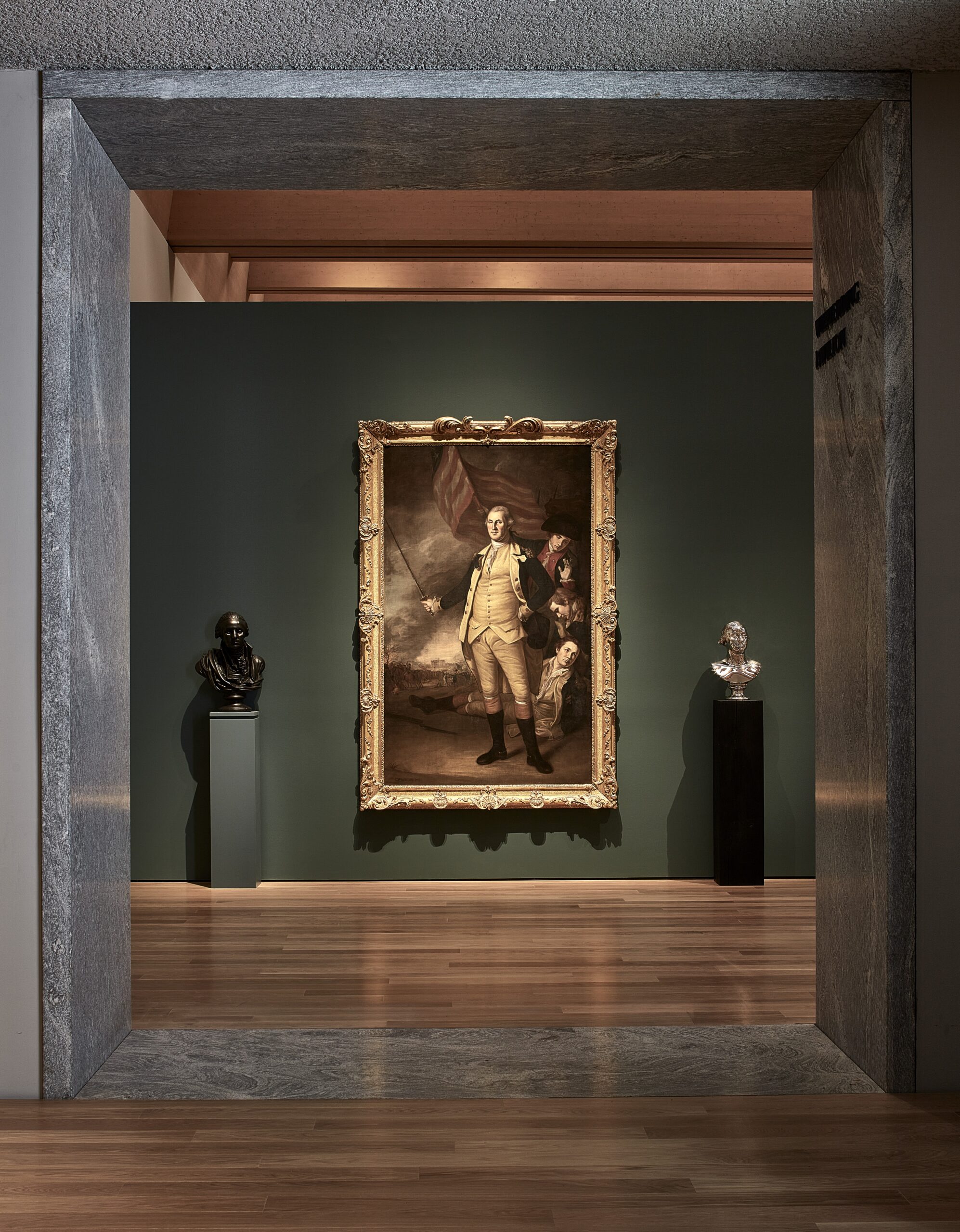
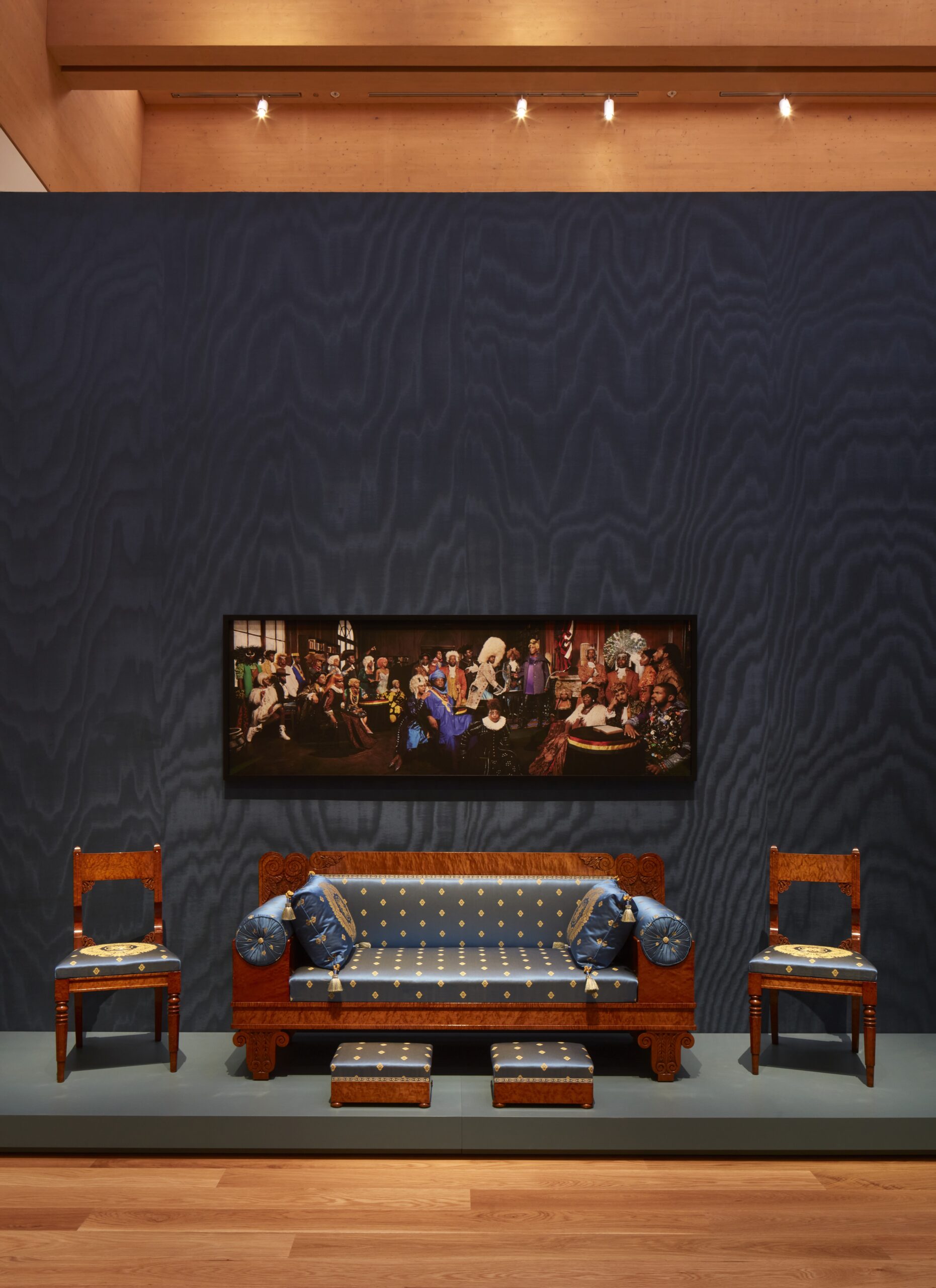
Perhaps the most amazing thing about the art museum is that it’s free for all visitors. The inaugural exhibition, Princeton Collects, highlights major donations spanning centuries and styles, from contemporary works to classics. It’s on view now through March 29, 2026.
 PRINCETON UNIVERSITY ART MUSEUM
Try visiting weekday mornings or late afternoons, which tend to be less crowded. Bring sketchbooks or pencils for kids, plan short rests in the open galleries and be sure to check the museum calendar for family-friendly events like guided tours or art-making workshops. The Creativity Labs have open studio hours for hands-on art making.
 PRINCETON UNIVERSITY ART MUSEUM
Museum hours: Monday–Wednesday: 10 a.m.–5 p.m.; Thursday–Friday: 10 a.m.–8 p.m.; Saturday: 10 a.m.–5 p.m.; Sunday: 12–5 p.m.
Admission: Free for all visitors — there’s no ticket or reservation required to enter the museum’s galleries. Just show up during open hours.
 PRINCETON UNIVERSITY ART MUSEUM
Restaurant hours: Monday: 9 a.m.–3 p.m.; Thursday–Friday: 9 a.m.–3 p.m.; Saturday–Sunday: 10 a.m.–3 p.m.; Closed Tuesday–Wednesday
Restaurant reservations: Guests can reserve a table through resy.com, by emailing the restaurant museum.dining@princeton.edu or by calling 609‑258‑6700.
Address: Princeton University Art Museum is located at 45 Elm Drive, Princeton, in the heart of Princeton University’s historic campus. It’s just a short walk from Nassau Street and nearby parking and transit options.
Get the latest on the best things to do with your family in and around New Jersey by signing up for our newsletter and following us on Facebook and Instagram!
Read More:
These 13 NJ Museums and Cultural Spots Are the State’s Best Kept Secrets
New Jersey is Home to Two of the Best New Museums in the Country